
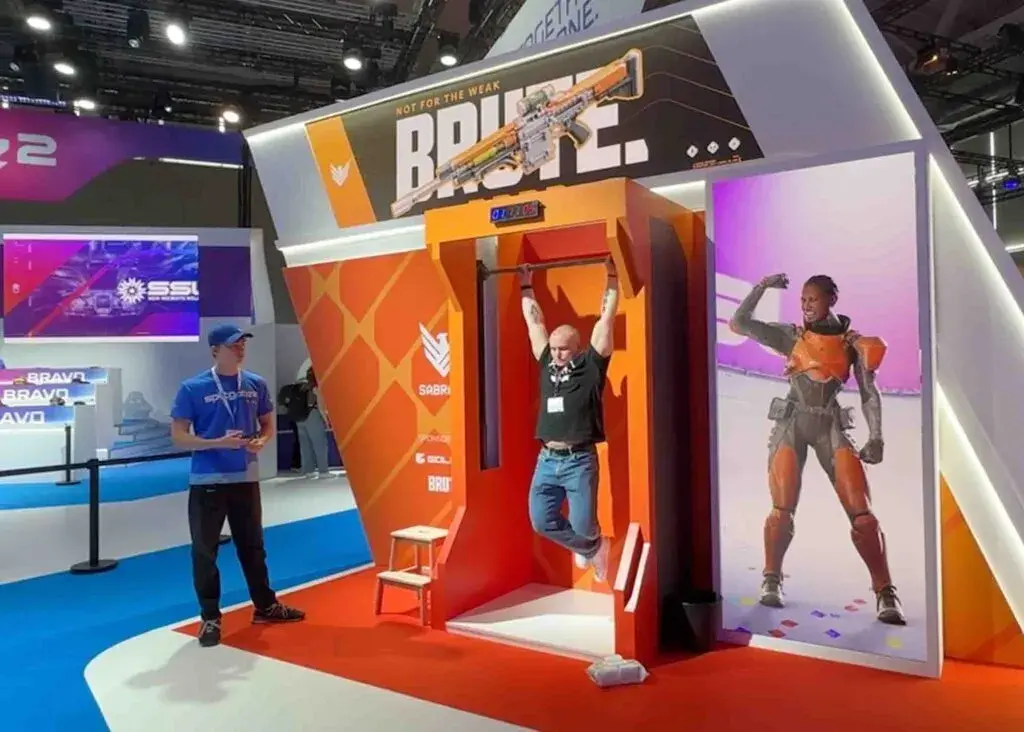
Brand activation is the discipline of turning passive audiences into active participants. If your marketing efforts are generating impressions but not actions, this guide will change that.
What Is Brand Activation (and Why It Matters Now)
Brand activation is any focused campaign, event, or experience that prompts people to do something specific: scan a QR code, sample a product, post content, subscribe, or buy. Brand activation differs from brand awareness by creating meaningful interactions rather than passive exposure. Where a banner ad or billboard generates impressions, a brand activation prompts direct engagement from the target audience.
The data backs this up. A 2024 study published in the Journal of Retailing and Consumer Services found that strengthening sensory, emotional, and behavioral experiential modules has a significant positive effect on purchase intent. Separately, 74% of consumers are more likely to buy after engaging with a brand activation.
Brand activations live at the intersection of experiential marketing, event marketing, social media, and commerce, tying together both digital and physical sides of the customer journey. Effective brand activation invites consumers to actively experience a brand, not just see it. Experiential marketing is the strategic philosophy behind brand activation campaigns, and the rest of this article will walk you through real world examples from other brands and from FG|PG's portfolio to show how this works in practice.
Quick Overview: Main Types of Brand Activations
Before diving into specific brand activation examples, here is a high-level map of the seven core activation types. Brand activations can include experiential events, product sampling, and social media challenges, and experiential marketing includes pop-up stores and interactive exhibits. Not all activations are created equal. The table below compares them at a glance.
| Activation Type | Objective | Best Audience Fit | Budget Range | Duration |
|---|---|---|---|---|
| Pop up / Retail Takeover | Drive trial, create buzz | Trend-aware shoppers, Gen Z/Millennials | $$ to $$$ | 1 day to several weeks |
| Experiential / Immersive Installation | Deepen brand narrative, emotional connection | Cultural consumers, fans, arts communities | $$$$ | Weeks to permanent |
| Sampling / Trial Campaign | Lower barriers to trial, generate leads | Event attendees, targeted consumers | $ to $$ | 1-day to festival periods |
| Trade Show / Conference (B2B) | Generate qualified leads, demo products | Industry buyers, stakeholders | $$$ to $$$$ | Multi-day events |
| Sponsorship Activation | Leverage existing audience, enhance brand affinity | Fans of the sponsored entity | $$ to $$$$ | Event or season |
| Guerrilla / Stunt | Earned media, surprise factor | Passersby, social-first users | $ to $$ | Hours to days |
| Digital / Hybrid | Extend reach, capture data globally | Online audiences, community members | $ to $$ | Weeks to continuous |
Brand Activation Types at a Glance
This data table helps you quickly orient to which format fits your goals. Read it by matching the activation type to your primary KPI, then note the physical vs. digital mix and which industries typically see the best results.
| Activation Type | Primary KPI | Physical vs Digital Mix | Example Industries |
|---|---|---|---|
| Pop up shop | Foot traffic/day, on-site sales, dwell time | Heavy physical; digital for QR code scans, social sharing | Fashion, CPG, consumer electronics |
| Trade show exhibit | Qualified leads/hour, badge scans/sq ft | Physical presence; digital capture and follow-up | B2B tech, SaaS, industrial |
| Retail installation | Dwell time, product interactions, UGC volume | Mostly physical; social amplification | Beauty, food & beverage, apparel |
| Sponsorship zone | Brand association lift, social mentions | Blend of physical presence and digital PR | Sports, music, festivals |
| Street stunt | Earned media impressions, share volume | Physical trigger; digital captures via UGC | All consumer-facing brands |
| Digital challenge | Content views/shares, conversion to purchase | Heavily digital; physical trigger points | Gaming, wellness, lifestyle |
| Hybrid event | Event sign-ups, virtual + in-person attendance | Equal weight | Entertainment, tech, education |
Pop Up Brand Activations and Retail Takeovers
A pop-up brand activation is a temporary, location-specific experience designed to create urgency and exclusivity. Unlike a standard retail display or simple logo placement, pop-up events create urgency and exclusivity for brand experiences. The limited-time nature drives FOMO and foot traffic simultaneously.
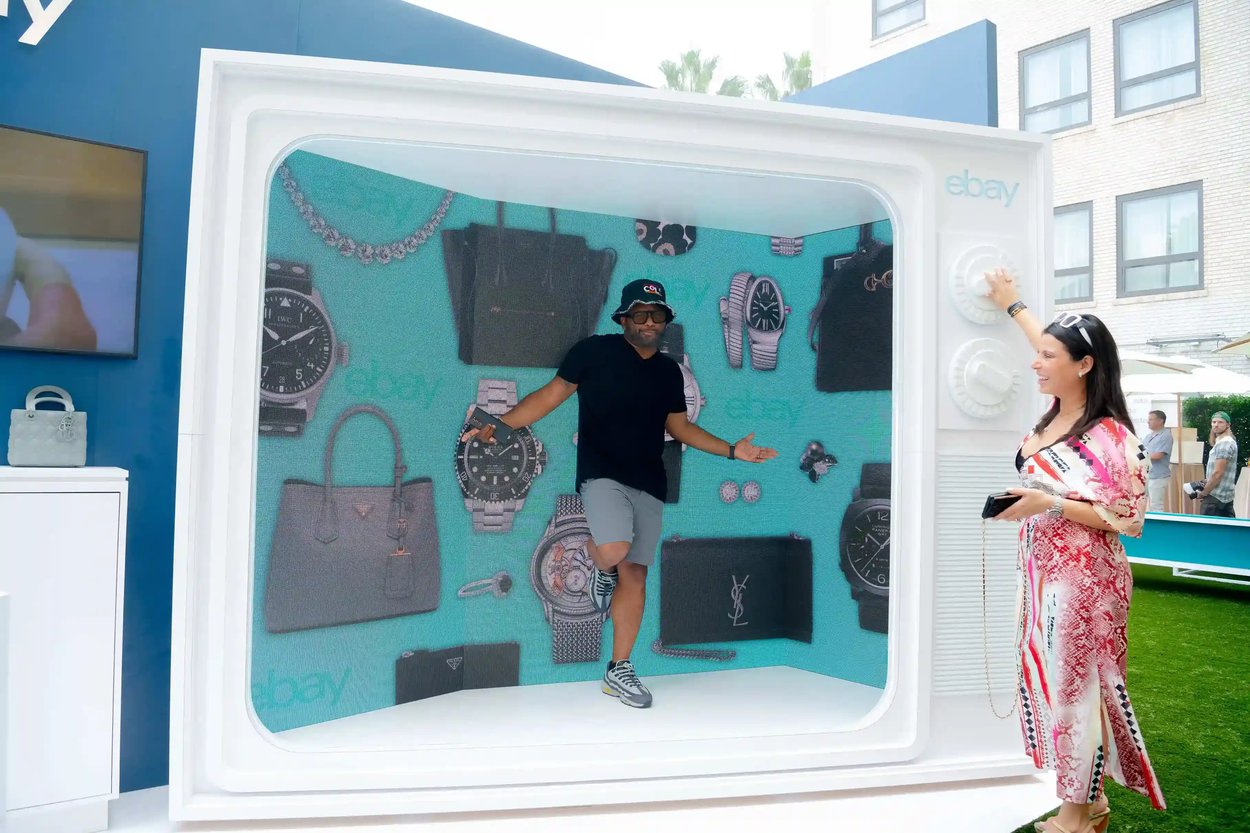
At the eBay Emmy Awards Brand Bar Luxury Lounge, FG|PG designed and produced an oversized retro TV built for celebrities to step inside and take a photo, complete with an interactive tuner knob that changed the "channel" between eBay's luxury categories. At a gifting suite where every brand is competing for the same celebrity attention and social content, the mechanic was dead simple and immediately shareable — a single, photogenic interaction that communicated eBay's luxury marketplace positioning without a word of explanation. Actors from Abbott Elementary and Hacks stepped inside, creating organic content that reached audiences far beyond the event walls. It was a great example of how effective pop-up brand activations encourage participation instead of passive viewing.
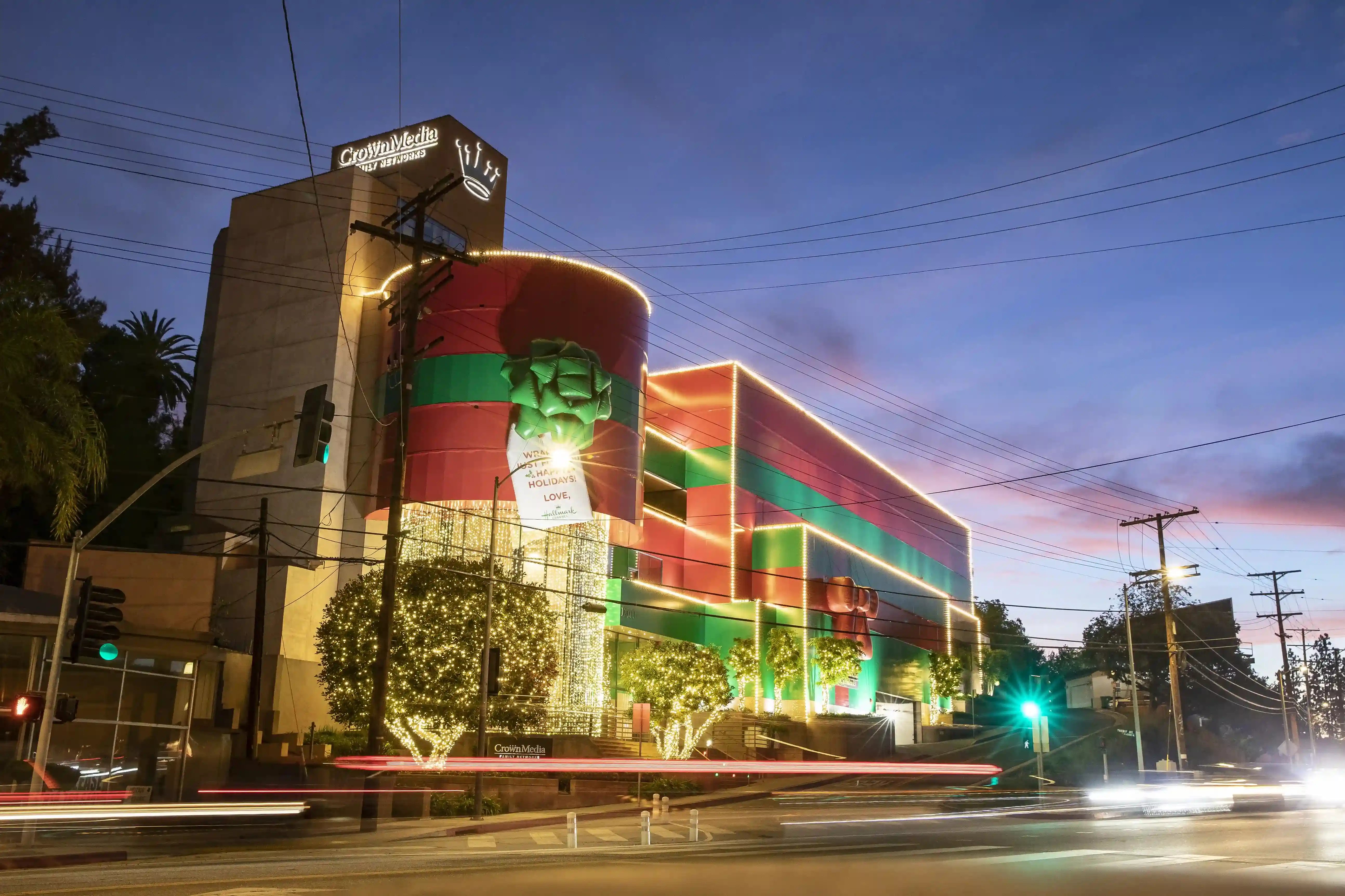
For Crown Media's Countdown to Christmas press launch, FG|PG transformed the entire Crown Media headquarters building into a Christmas present wrapped in lights — creating a full immersive brand experience to tease the Hallmark Holiday movie lineup with Candace Cameron Bure. Given full creative freedom, the team conceived and executed a retail takeover that turned a corporate building into a destination. The results were immediate: over 2 million social impressions in the first 48 hours, and coverage on Access Hollywood, Extra, and NBC News. The limited-time brand experience did exactly what pop-up brand activations are designed to do — compress attention, generate FOMO, and produce social content that outlives the event itself.
When Almay came to us for a product reveal with Rashida Jones, FG|PG partnered with Lippe Taylor and The Happy Place in Downtown Los Angeles to transform an existing immersive venue into the backdrop for a new product line launch. Press, media, and influencers moved through larger-than-life installations and multi-sensory rooms curated around the "Capture Your Happy" theme while testing the new Almay product line and meeting Rashida Jones alongside Almay executives. The activation delivered dual-purpose value — product trial and social content generation — inside a location-specific brand experience that created urgency and exclusivity from the moment the doors opened.
| Pop Up Example | Core Objective | Primary Interaction | Digital Amplification |
|---|---|---|---|
| Panasonic Lumix at Vidcon | Product trial + awareness | Confetti grab booth, live social wall, photo op | Real-time tagged content wall, UGC across creator channels |
| Russel Hobbs New York Fashion Week | Product Trial + brand affinity | Hands-on product access, immersive venue takeover | Press coverage, influencer content, social sharing |
| COSORI Día de los Muertos TikTok Shop | Brand awareness + content creation | One-day influencer activation, cultural moment theming | TikTok-first content, short-form UGC, product discovery |
FG|PG approaches pop up briefs with site selection strategy, modular custom builds for reuse across locations, and operational planning for queue management and data capture. Our COSORI TikTok Influencer Event, for example, combined retail activation with influencer tie-ins for a one-day event that generated content across social media platforms.
Immersive Experiential Brand Activations and Installations
Experiential marketing brand activations transform entire spaces into interactive experiences rather than simple product showcases. These are the activations that redefine what a brand can feel like in person. Successful brand activation relies on emotional resonance and shareable experiences, and immersive installations deliver both.
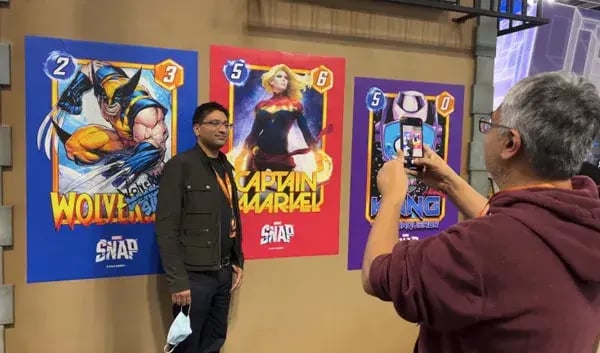
FG|PG's Marvel SNAP activation at New York Comic-Con placed the mobile card game inside one of the world's most demanding fan environments: a show floor where 200,000+ attendees arrive with high expectations and shorter patience for anything that feels generic. The activation combined scenic design, original game mechanics, and multi-media installation into a fully immersive environment that let fans step inside the world of the game rather than simply learn about it. At a convention where IP is everywhere and attention is the scarcest resource, the Marvel SNAP booth created the kind of participatory brand moment that generates lines, social content, and genuine fan conversion simultaneously.
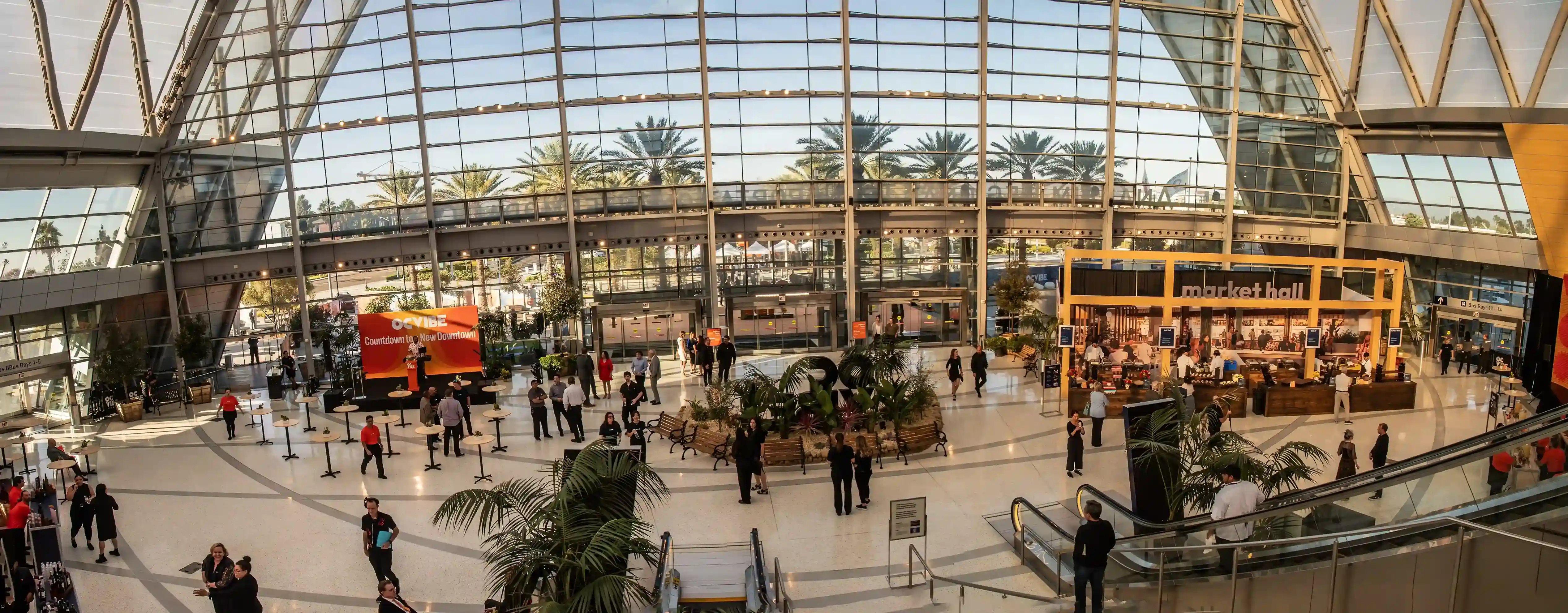
FG|PG's OCVIBE Launch at The ARTIC operated at a different scale and with a different challenge entirely. Without disrupting daily commuter operations inside a working Anaheim transit hub, the team transformed 82,000 square feet into an immersive preview of a 100-acre mixed-use development that didn't yet exist. A two-story Market Hall previewed the chef-driven food concepts planned for the site. Experiential zones let guests feel the scale and culture of what was being built. A transparent display board with integrated QR technology let attendees scan and see the future cityscape transformation in real time — standing in the present while experiencing the vision for what would replace it. City dignitaries, future residents, press, and investors all moved through the same environment and arrived at the same conclusion: this development was real, it was coming, and it was worth believing in. That is what a well-executed immersive brand activation does that no rendering or press release ever could.
These principles have been proven at every scale. Meow Wolf's "House of Eternal Return" in Santa Fe attracted over one million visitors in its first year across 20,000 square feet of layered, reactive narrative environments. teamLab Borderless in Tokyo dissolved the boundary between artwork and visitor entirely. Taco Bell's Palm Springs hotel takeover generated 4.4 billion earned media impressions without a dollar of paid media. Each is proof that when the experience is the message, the audience does the distribution.
When to invest at this level:
- Major product launches or repositions
- Long-term brand platforms or tourism partnerships
- Flagship creative brand activations at fan conventions
What to avoid: overly complex narratives without a clear call to action, or builds that look impressive but offer no participation and no memorable moment for the person inside them.
Sampling, Trial, and "Solve a Problem" Brand Activations
Sampling and trial brand activations reduce friction to trying the product. But handing out free samples on a street corner is traditional marketing. The best activations solve an actual problem for the target audience while delivering the trial.
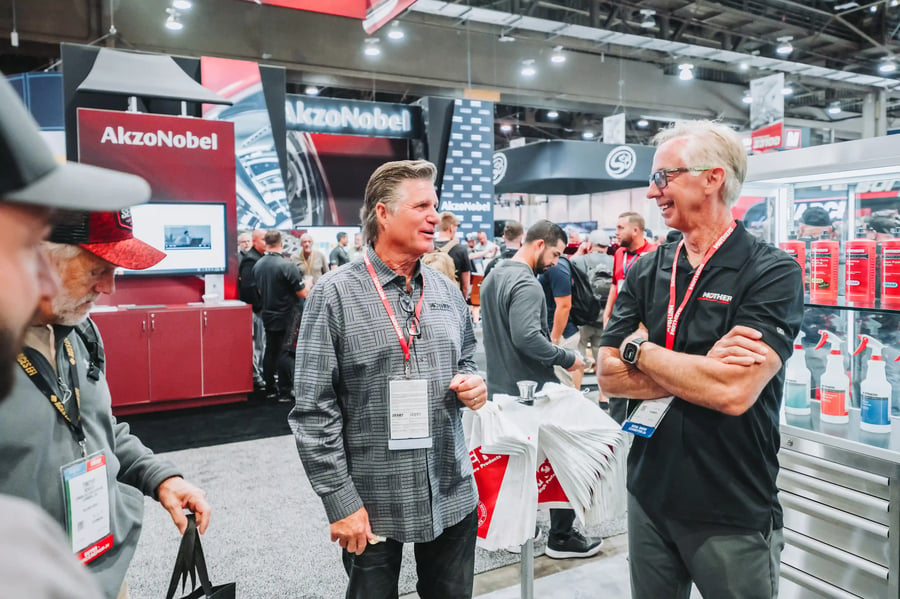
FG|PG's work with Mothers Polish at SEMA demonstrated what happens when a sampling activation meets a perfectly self-selected audience. SEMA draws the most passionate automotive enthusiasts in the world — people who already care deeply about the condition and appearance of their vehicles, who have opinions about every product in the category, and who arrive primed to evaluate rather than simply receive. Distributing product samples inside that environment wasn't transactional. It was a conversation between a brand and the exact audience that needed no convincing to pay attention. The activation solved the core friction problem of product trial by placing it inside a context where the audience's existing passion made the trial feel inevitable rather than promoted.
Tito's Handmade Vodka's multi-city Pride float program applied the same principle at a different scale and in a different cultural register. The "LOVE IS LOVE" brand message and the Pride event environment were inseparable — which is exactly the standard the best sampling activations hold themselves to. Product distribution and brand affinity happened simultaneously because the occasion earned the presence. Tito's wasn't sampling at Pride. Tito's was part of Pride. That distinction is the difference between a trial mechanic that feels genuine and one that feels transactional, and it determines whether a sampling activation generates lasting brand loyalty or a momentary interaction.
Measurement is straightforward:
- Track samples distributed vs. QR code scans, opt-ins, or coupon redemptions
- Benchmark data from HollyStreetSalesCo showed a 28% trial-to-purchase rate across 24 pop-ups with 62,000+ product trials
Trade Show, Conference, and B2B Brand Activations
FG|PG's eBay Market-Verse Experience at New York Comic-Con proved that a marketplace brand could earn genuine fan loyalty inside one of the world's most IP-saturated environments. Rather than positioning eBay as a transactional platform at a show defined by passion and collecting culture, the activation placed the brand inside that culture — combining scenic design, interactive mechanics, and multi-media installation into an immersive environment where the connection between fandom and the eBay marketplace felt natural rather than sponsored. In a convention hall where attendees arrive to celebrate the things they love most, the Market-Verse gave them a new place to do exactly that. The activation earned Gold at the Ex Awards, recognizing the integration of strategy, creative, and execution that made it perform.
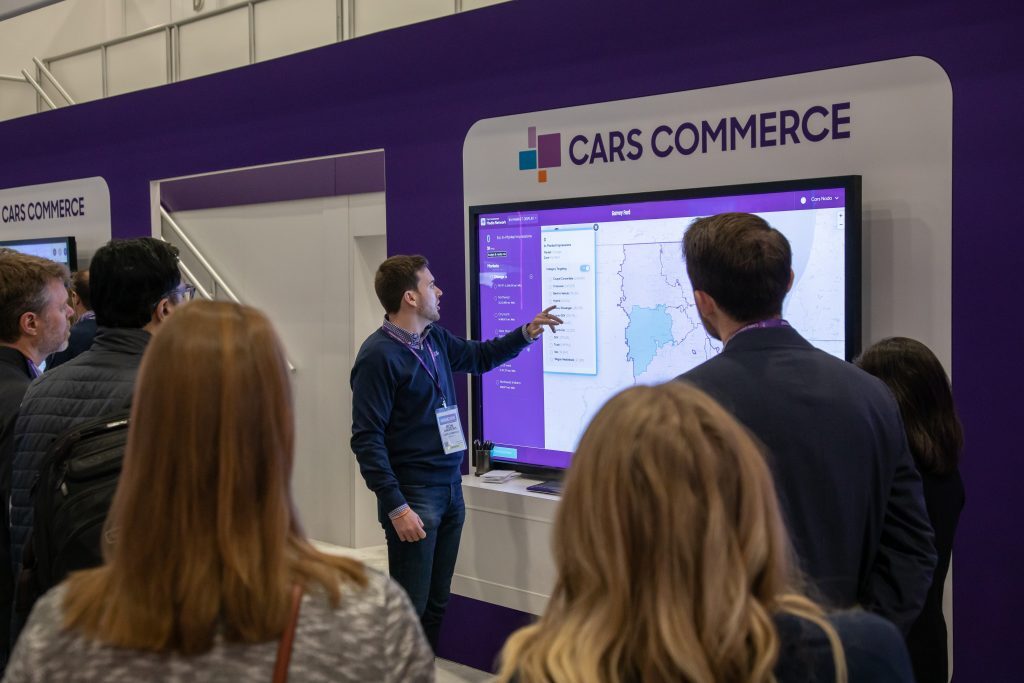
At NADA, FG|PG's Cars Commerce build demonstrated what a B2B trade show presence looks like when spectacle and substance solve the same problem. The automotive industry's most important dealer-facing show demands a booth that communicates platform credibility to sophisticated buyers who have seen every variation of the category pitch before. The Cars Commerce exhibit combined a designed environment with product demonstration zones and consultation spaces that moved buyers from first impression through substantive conversation inside a single footprint — the full arc of a B2B sales moment compressed into a show floor experience.
Practical B2B brand activation ideas for larger events:
- Live product theaters with scheduled demos
- Consultation lounges for one-on-one meetings
- Augmented reality demos that let prospects interact with products virtually
- Content capture studios for on-the-spot testimonials
- Invite-only micro-events layered around the main show
| Trade Show KPI | What It Measures | Benchmark Range |
|---|---|---|
| Qualified leads/hour | Pipeline generation efficiency | 5-15 per staffed hour |
| Average dwell time | Engagement depth | 4-8 minutes for interactive booths |
| Badge scans/sq ft | Booth density and draw | 0.5-2.0 scans per sq ft per day |
| Post-event meeting conversion | Sales follow-through | 15-30% of qualified leads |
Both activations illustrate the same principle that has defined the best trade show brand activations across every category. Intel's 2016 Computex holographic keynote turned chip architecture into theater by making the invisible visible. Apple TV+'s Severance activation at San Diego Comic-Con recreated the show's severed floor so completely that the line between entertainment and brand message disappeared entirely. At every scale, the activations that win on a trade show floor are the ones that give people something to do, something to feel, and something to tell someone about afterward.
FG|PG handles all of it — integrated strategy, custom builds, fabrication, on-site operations, and post-show analytics under one roof.
Digital, Hybrid, and Social-First Brand Activations
Digital brand activations and hybrid experiences extend physical activations to global audiences through AR filters, live streams, virtual booths, and social media challenges. Digital brand activations include AR campaigns and social media challenges that can reach millions without a physical footprint. Nike promotes community and engagement through digital fitness initiatives like the Nike Run Club, turning app usage into a form of brand activation.
Spotify Wrapped generates more social media reach than most paid campaigns. Each year, Spotify Wrapped turns personal listening data into a shareable digital experience that floods every social media platform for days. It is a best example of personalization at scale, and it works because it makes each person the star of their own story.
Snapchat's Spectacles launch featured a unique vending machine called the Snapbot, placed in unexpected locations like Venice Beach. The physical scarcity of the machines created lines, resale demand, and a social frenzy that turned a hardware launch into a cultural event.
Practical brand activation ideas for digital activations:
- TikTok challenges tied to real-world stunts that create free promotion
- Interactive microsites triggered by a QR code at live events
- Shoppable live streams running parallel to pop ups
- Loyalty challenges that blend app behavior with in-store actions
FG|PG specializes in experiences that treat digital as a primary design layer. From the 1047 Games immersive in-game activation to LED content integration across projects, we often bridge a digital experience with physical presence, capturing data that fuels ongoing CRM and remarketing.
Guerrilla, Stunt, and "Surprise and Delight" Brand Activations
Guerrilla brand activations are low- or mid-budget stunts in public spaces that trade on surprise, context, and shareability. You do not need a massive build to create buzz. You need a simple story and clear visuals that anyone can film and share without explanation. Engaging activations can generate organic social media buzz far beyond their physical footprint.
Wendy's "Frosty Fix" sent ice cream trucks to locations near McDonald's restaurants during widely reported ice cream machine outages. Wendy's Frosty Fix generated 1.17 billion media impressions and turned a competitor's weakness into their own successful brand activation. The flip side? Almost zero fabrication cost.
Lipton Iced Tea's giant yellow water slide appeared in London on a hot summer day, offering the public a refreshing, branded ride. The stunt was visually unmistakable and drove massive social media engagement because every rider became a content creator.
| Guerrilla Example | Surprise Factor | Physical Footprint | Permits Needed | Campaign Window |
|---|---|---|---|---|
| Wendy's Frosty Fix | High (competitor trolling) | Small (ice cream trucks) | Minimal | 1-2 days |
| Lipton Water Slide | High (scale + location) | Medium (custom slide) | Moderate | 1 day |
| Snapbot Vending Machine | High (scarcity + mystery) | Tiny (single unit) | Minimal | Rolling weeks |
We can design stunts safely and compliantly while delivering bold, unexpected builds. Their experience with press events and mobile installations means your guerrilla brand activation campaign gets the spectacle without the operational risk.
Community, Loyalty, and Ambassador-Driven Brand Activations
Not all brand activations center on one-off experiential events. Many of the most successful activations are community structures and ambassador programs that activate continuously. Community-building strategies foster brand loyalty and engagement far beyond a single event window. Community activations often involve partnerships with local organizations, turning customers into ongoing advocates.
Sephora's beauty community rewards members with exclusive content, early access, and events that build community around shared interests. Apple's "Shot on iPhone" campaign turns customers into creators, generating user-generated content that serves as both social proof and free promotion for future campaigns. Starbucks' app-based loyalty program gamifies purchases, creating habitual engagement that drives repeat revenue.
Coca-Cola's "Share a Coke" campaign encouraged users to seek personalized products, proving that personalization in campaigns strengthens customer connections through tailored experiences. Personalization is a thread that runs through every successful community activation.
How to integrate community elements into physical brand activations:
- Member-only hours at pop ups to build community
- Co-created installations designed with fans or ambassadors
- Live content featuring real customers, not actors
- UGC galleries displayed at events, rewarding participation
- Loyalty lounges at festivals or larger events that deepen brand loyalty
FG|PG can help architect multi-year experiential platforms that brands repeat and evolve annually, like the Russell Hobbs VIP press debut at New York Fashion Week or recurring fan activations at conventions. These are not one-off moments; they are engines for lasting impression and ongoing engagement.
How to Choose the Right Brand Activation Idea for Your Goals
With this many options, how do you pick? Start with your objective, not the format. Effective activations often reinforce brand identity and values, and the right activation type flows from a clear business goal.
Use a quick SWOT analysis paired with audience insight from surveys, social listening, and sales data to narrow your options. Ask yourself: are we trying to raise awareness, drive sales, build community, or capture data? The answer determines everything.
| Brand Goal | Recommended Activation Type | Ideal Lead Time | Hero Metric |
|---|---|---|---|
| Product launch | Pop up + digital hybrid | 10-16 weeks | Trials + social reach |
| Reposition brand | Immersive installation or stunt | 4-6 months | Brand favorability lift |
| Drive trial / sales | Sampling + event marketing | 8-12 weeks | Trial-to-purchase rate |
| Build community | Ambassador program + festival experience | Ongoing | Repeat engagement, UGC |
| Capture B2B leads | Trade show or tech conference activation | 12-20 weeks | Qualified leads, meetings |
Stay on brand. Match your internal capabilities to the execution complexity. If you are running a brand activation campaign for the first time, partner with a specialist experiential agency like FG|PG rather than trying to manage fabrication, logistics, and measurement internally. This is the starting line, not the finish.
How to Measure Brand Activation Success
Brand activation measurement must go beyond counting impressions to track real behaviors and downstream value across both digital and physical sides. User-generated content volume indicates the experience was worth sharing. Post-activation brand recall measures if the experience changed perceptions. Share of voice compares brand performance against competitors during campaigns. Engagement metrics include foot traffic and event sign-ups for physical activations.
Core metric categories:
- Engagement: foot traffic, dwell time, interactions, social media engagement, UGC volume
- Pipeline and revenue: leads, samples distributed, trials, conversions, on-site sales
- Brand outcomes: lift in awareness or favorability, brand recall surveys
- Media/PR impact: earned coverage, social reach, share of voice
User-generated content enhances the success of brand activation campaigns because it extends reach organically and signals authentic enthusiasm.
| KPI Category | Example Metric | Recommended Tool | Benchmark Range |
|---|---|---|---|
| Engagement | Dwell time | Footfall sensors, observation | 4-8 min (interactive booth) |
| Pipeline | QR code scans to sign-up | QR platform + CRM | 15-30% scan-to-opt-in |
| Brand | Favorability lift | Pre/post survey | 5-15 point lift |
| Media | Earned impressions | Social listening tool | Varies; 10x paid reach for strong stunts |
FG|PG helps clients set up measurement plans from pre-event baselines to post-event debriefs. Our process includes simple ROI storylines that stakeholders can understand, connecting on-the-ground data to business outcomes. Remember: 74% of consumers are more likely to buy after engaging with a brand experience, so capturing that journey from interaction to purchase is critical.
Why Work with a Specialist Brand Activation Company Like FG|PG
Complex brand activations require integrated strategy, design, fabrication, logistics, and measurement. Trying to coordinate five vendors for a single activation introduces risk at every handoff. That is why many brands partner with a dedicated experiential marketing agency like FG|PG.
FG|PG is a woman-owned, WBENC-certified, award-winning experiential marketing agency that focuses on live experiences, trade show exhibits, retail pop ups, press events, museum-style exhibitions, stunts, and interactive digital and virtual experiences. Our portfolio of 50+ projects spans Marvel SNAP at NYCC, Cars Commerce at the NADA Show, OCVIBE at ARTIC, COSORI influencer events, eBay Market-Verse, Tito's pride activations, Russell Hobbs at NYFW, and 1047 Games digital activations.
Concrete advantages of choosing FG|PG:
- Deep experiential marketing expertise across tech, gaming, CPG, auto, and entertainment
- Ability to bridge digital and physical experiences in a single build
- In-house strategy, 3D design, fabrication, and on-site production under one roof
- History of large-scale custom builds that other brands trust repeatedly
When we come together for a scoping conversation, bring your objectives, target dates, markets, rough budget range, and success criteria. We will handle the rest, from concepting through on-site production.
Putting It All Together: Planning Your Next Brand Activation Campaign
The journey from idea to live activation follows a clear arc: set objectives, define your target audience, pick the right activation type, design the interaction, budget for build and amplification, and plan measurement from day one.
A 90-to-120-day checklist for launching a brand activation campaign:
- Weeks 1-2: Brief and objective setting, audience research, agency selection
- Weeks 3-5: Concepting, 3D design, budget finalization
- Weeks 6-8: Approvals, material procurement, fabrication begins
- Weeks 9-11: Pre-launch promotion across social media platforms, staffing and logistics
- Weeks 12-14: Live operations, real-time content capture, on-site measurement
- Week 15+: Post-activation reporting, content repurposing, learnings for future campaigns
Start with one focused activation instead of trying to execute every idea at once. Test, measure, learn. Then scale what works into an annual experiential marketing calendar. The best brand activation ideas are rarely one-off stunts. They are the beginning of a repeatable platform.
Working with an experienced brand activation partner like FG|PG de-risks your build, accelerates timelines, and pushes creativity further than most internal teams can manage alone. Your brand message deserves an activation that matches its ambition.
These are concise answers to the most common questions marketers have after exploring brand activation examples and ideas.
The FG|PG Team
FG|PG was founded nearly 21 years ago. Today we’re one of the largest woman-owned, WBENC Certified, live, hybrid and virtual experiential agencies in the US. That trajectory isn’t accidental. It’s the result of a commitment to continually evolve, to never stop learning, and to always listen to our clients’ needs.

.svg)
.svg)
.svg)
.webp)