
Experiential Marketing Agencies vs. Trade Show Exhibits: What’s the Difference?
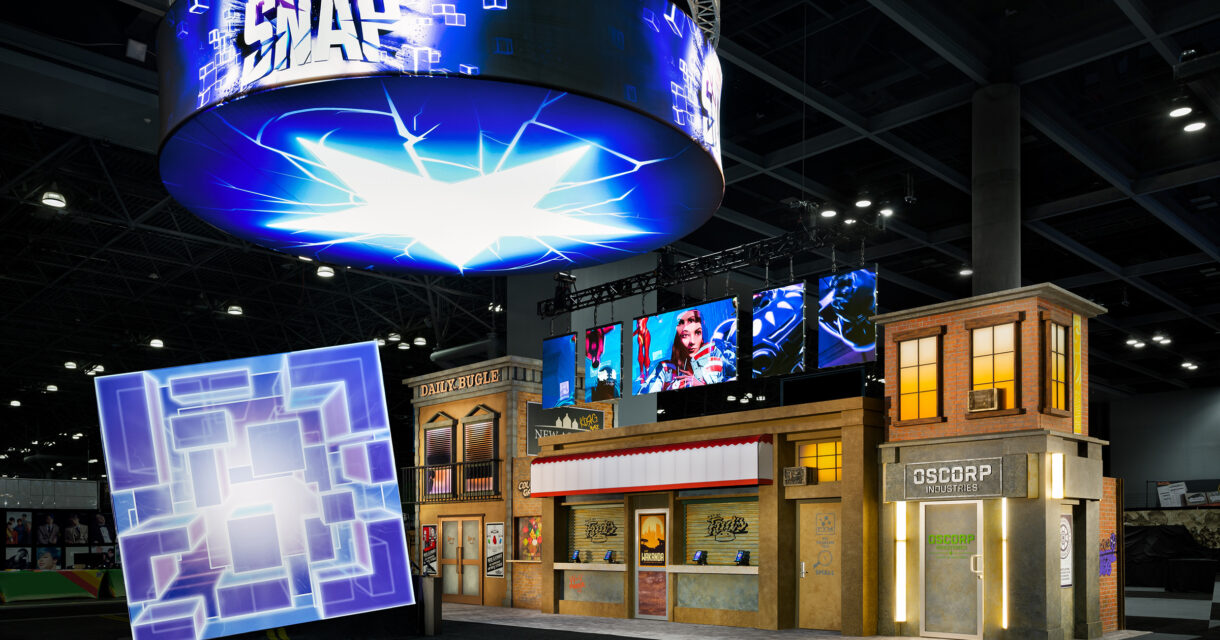
Every brand wants to “show up well” at an event, but there’s a big difference between showing up and being remembered. Some companies focus on a crisp, well-built booth and let the visuals do the work. Others partner with experiential marketing companies to design an experience that makes people stop, feel, react, and connect. Both strategies can be right, depending on your goals. The challenge is knowing where you fall on that spectrum, and what type of partner can deliver the outcome you want.
Here’s what you’ll find in the sections ahead:
- What separates experiential marketing from a traditional trade show booth
- Why modern attendees expect more from event experiences
- How to decide which approach best fits your next show
- What an experiential activation looks like in practice
- Why the strongest event strategies blend both approaches
- Let’s look ahead at what will define the next generation of event marketing.
Let’s start by defining the difference between the two.
Why Are Brands Expecting More From Their Trade Show Presence Today?
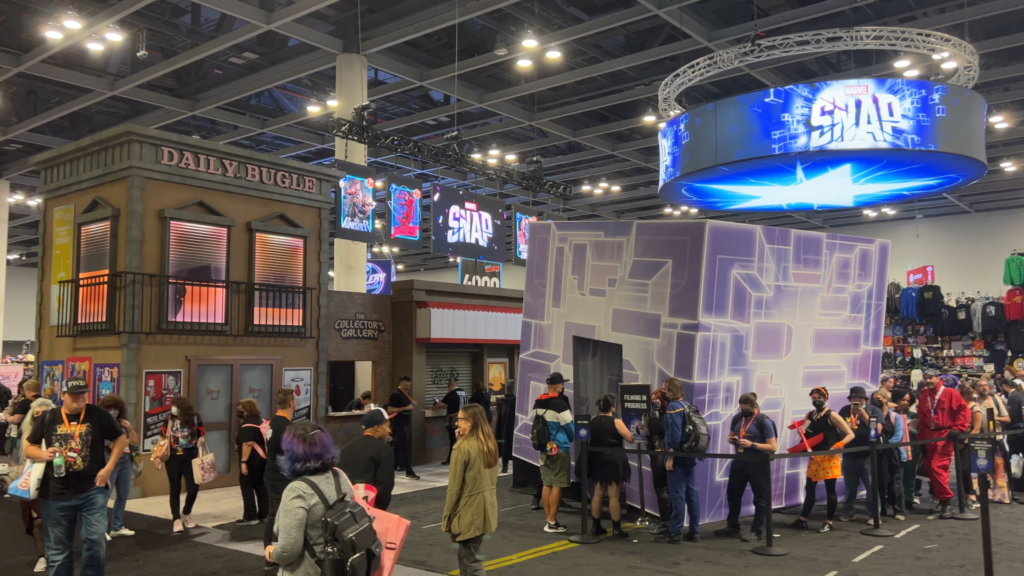
Event marketing has shifted from passive displays to active, participant-driven experiences, commonly referred to as experiential marketing. Today’s audiences want to be immersed, entertained, and emotionally engaged.
This shift is driven by changing attendee expectations and the rapid evolution of technology. Consumers are no longer satisfied with walking a show floor and collecting brochures. They want moments that feel personal, shareable, and story-driven. As a result, brands are rethinking how they show up, whether that’s in a booth or a full-scale brand experience.
Three Key Shifts in Modern Event Marketing
- From Information to Interaction: Booths once focused on product specs. Now, they focus on tactile, personalized moments.
- From Static to Multi-Sensory: Modern events engage the senses of sight, sound, touch, and sometimes even smell and taste to create atmosphere and evoke emotion.
- From One-Offs to Integrated Campaigns: Events are now part of a larger marketing ecosystem, with pre-show digital engagement and post-show content extending the experience.
These shifts have changed the expectations placed on both booth builders and experiential marketing companies, which brings us to the core question: what’s the difference?
What’s the Difference Between a Trade Show Booth and Experiential Marketing?
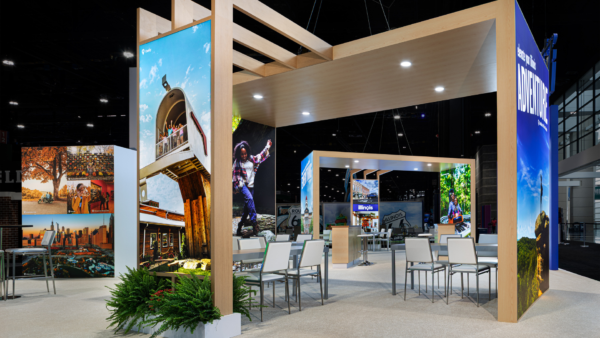
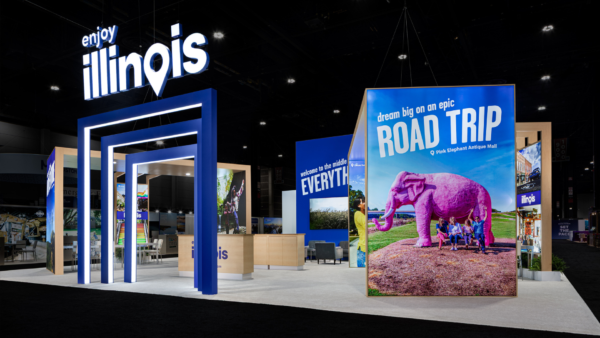
A trade show booth is a physical presence designed for visibility, lead generation, and product showcase. Experiential marketing is a broader strategy built to create emotional, interactive, and often multi-sensory brand experiences. While booths can be experiential, not all are.
- Trade Show Booth: Physical structure focused on brand visibility and lead generation.
- Experiential Marketing: Emotion-first campaign designed to immerse, involve, and connect.
- Overlap: An experiential activation can include a booth, but not all booths are experiential.
- Key Difference: One delivers information; the other delivers a memory.
- Shared Goal: Help audiences understand, trust, and engage with your brand.
At its core, a trade show booth is designed for function and visibility. It’s a branded space where companies showcase offerings, meet prospects, and communicate core messages. Booth builders focus on layout, structure, and signage, often with clear goals around product education and lead capture. The experience is usually controlled and linear: attendees walk in, gather information, and exit. It’s effective when you need a consistent presence across multiple shows or want to optimize for traffic flow and interaction volume.
Experiential marketing, on the other hand, is less about structure and more about story. It’s a campaign-driven approach that prioritizes emotional resonance and engagement across physical, digital, and sensory touchpoints. It may use a booth as a stage, but the spotlight is on how the audience feels, interacts, and remembers the brand long after the event ends.
In short, the booth is the container. Experiential marketing is a strategy that aims to turn that booth into a story-rich, emotionally engaging experience that visitors will remember. The smartest marketing directors often combine both.
When Should You Use a Trade Show Booth Builder vs. an Experiential Marketing Company?
The right partner depends on your goals. If you need a well-designed space to meet clients and showcase products, a trade show booth builder may be all you need. But if your aim is to create a high-impact brand moment that sparks emotion, conversation, or social sharing, an experiential marketing company is often the better fit.
When to Choose a Trade Show Booth Builder vs. Experiential Marketing
| If Your Main Consideration Is… | Choose a Trade Show Booth Builder When… | Choose an Experiential Marketing Company When… |
|---|---|---|
| The Ideal Use Case | You’re attending an industry event with a familiar audience and want a dependable, professional setup to support ongoing sales activity. | You’re launching a product, rebranding, or trying to make a major splash at a high-profile event with social and media impact. |
| Deliverables Needed | You need exhibit design, fabrication, installation, and logistics focused on creating a space that’s efficient and functional. | You expect concept-to-execution services: creative strategy, immersive design, tech integrations, content creation, and on-site execution. |
| Your Engagement Style | You want a linear and staff-led experience—visitors stop by, receive information or a demo, and move on. | You want engagement to be immersive and participatory. Attendees explore, interact, and co-create the experience. |
| Timeline / Budget Fit | You need a fast turnaround or are working with a limited budget. The focus is on delivering efficiently without creative complexity. | You have the time and resources to invest in custom creative, fabrication, and campaign development tied to larger marketing goals. |
| Metrics & Outcomes | Success looks like lead capture, in-booth meetings, and clear ROI based on traffic and follow-up. | You’re measuring emotional impact, social amplification, deeper engagement, and post-event brand lift or advocacy. |
Ultimately, the choice between a trade show booth builder and an experiential marketing company is not always a dichotomy. If it aligns with your goals, you can and should choose a company that delivers both.
What Does an Experiential Trade Show Activation Actually Look Like?
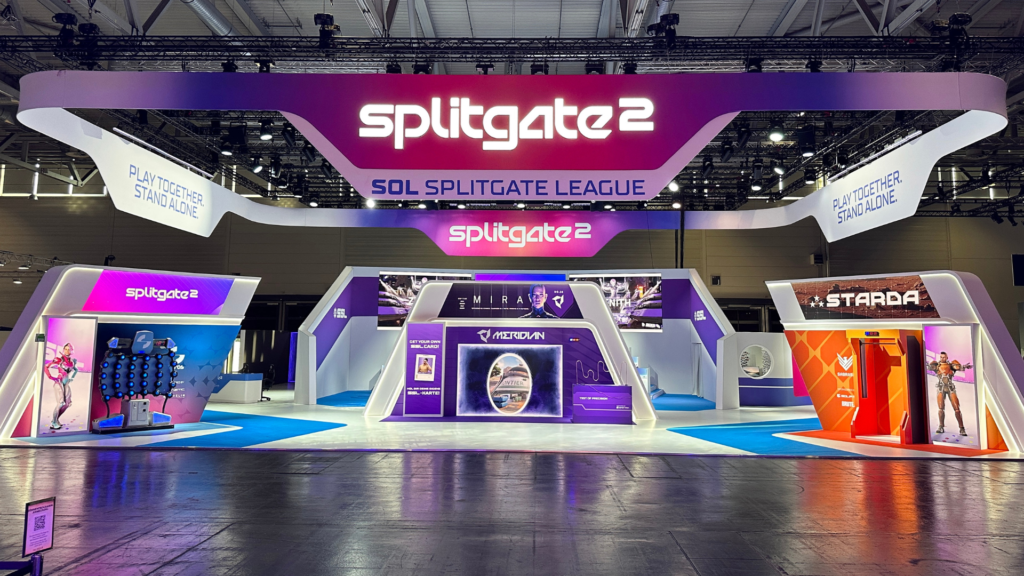
An experiential trade show activation transforms a booth from a static display into an immersive brand environment. The goal is not just to show up, but to show up differently.
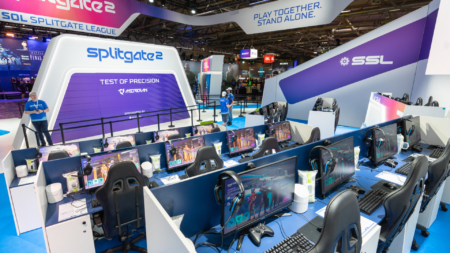
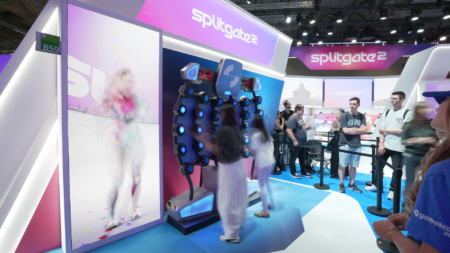
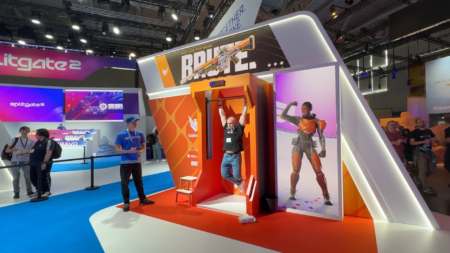
These activations invite attendees to participate, not just observe. Instead of walking through a booth with brochures and handshakes, visitors step into a curated experience designed to reflect your brand story, evoke emotion, and encourage interaction.
What Sets an Experiential Activation Apart?
- Story-Driven Design: The space is intentionally themed to communicate a narrative instead of a simple product offering.
- Interactive Technology: Touchscreens, AR/VR, projection mapping, or gamified challenges give attendees a reason to engage.
- Multi-Sensory Atmosphere: Music, lighting, scent, texture. Every element is crafted to leave an impression.
- Staff as Storytellers: Brand ambassadors don’t pitch. They guide, demonstrate, and immerse attendees in the experience.
Together, these elements shift the environment from informational to emotional, helping attendees connect the experience with your brand values.
Why Do the Most Effective Event Strategies Combine Both Approaches?
The strongest event programs rarely rely on one method alone. They merge the precision of a well-built booth with the emotional depth of experiential marketing. This blend gives brands structure and story, efficiency and engagement.
A trade show booth provides the foundation. It offers clear branding, defined meeting space, product displays, and practical flow for high-volume interactions. But when you layer experiential elements on top, you transform that foundation into something people remember. The result is a booth that works hard operationally while still creating moments worth talking about.
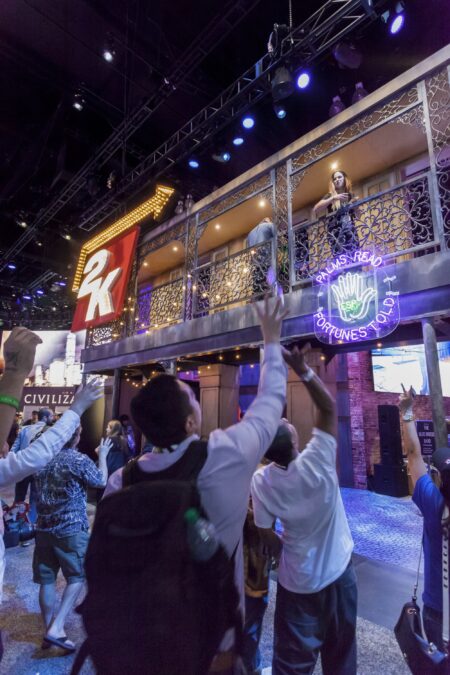
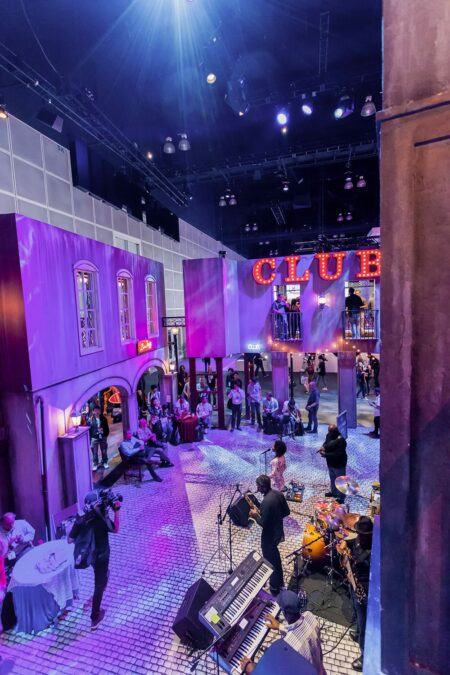
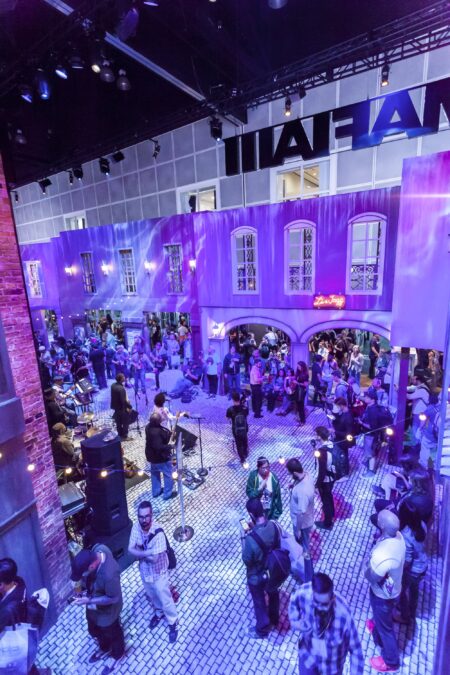
The Hybrid Approach in Practice
Here’s why a combined strategy works:
- Consistent Brand Expression: A unified team handling both design and experience ensures the creative vision holds together across every touchpoint.
- Higher Engagement Quality: The structural layout supports demos and meetings, while experiential layers increase dwell time and visitor enthusiasm.
- Better ROI Across Channels: Experiences create social content, deepen memory, and extend value far beyond the trade show floor.
- Flexible Activation Models: You can scale experiential elements up or down depending on the show, audience, or campaign needs.
Structure drives credibility. Experience drives connection. Together, they drive outcomes.
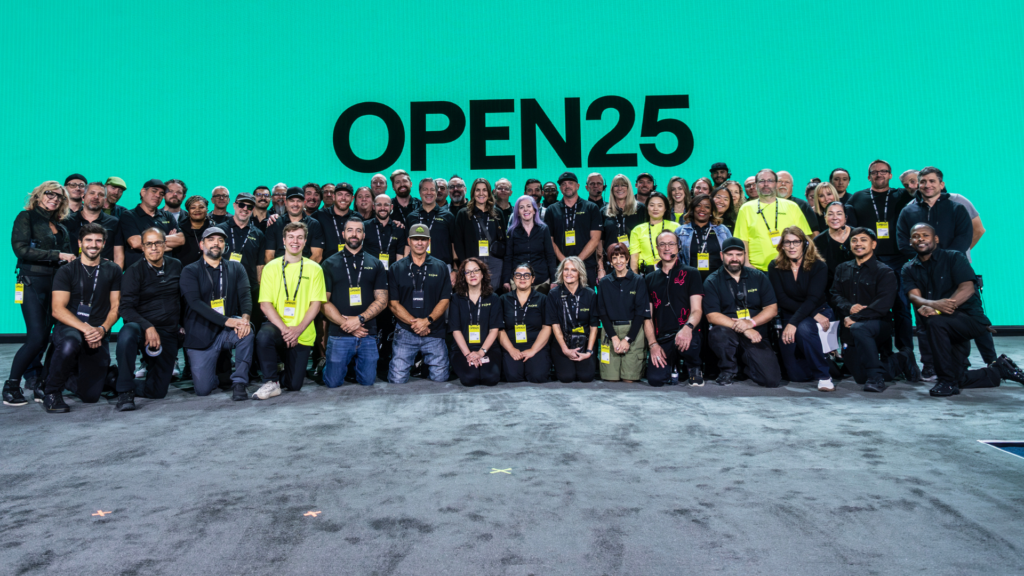
FG|PG: The Experiential Marketing Company That Elevates Every Trade Show Presence
Trade show booths and experiential marketing campaigns serve different purposes, and understanding those differences helps marketing teams build smarter, more effective event strategies. Booths provide structure, clarity, and reliable engagement. Experiential activations add emotion, interactivity, and moments that people remember. Together, they create a presence that both informs and inspires.
If you’re looking for an experiential marketing company that can transform a simple trade show booth into a meaningful brand experience, FG|PG is built for exactly that. Reach out today to start creating an event presence your audience won’t forget.
FAQ: Experiential Marketing Agencies vs. Trade Show Exhibits
-
1. What’s the main difference between a trade show booth and experiential marketing?
A trade show booth is a physical display focused on visibility and product education, while experiential marketing is a strategy built to create emotional, interactive brand moments. Booths deliver information; experiences deliver memory. Both play valuable roles depending on your goals.
-
2. Are all trade show booths considered experiential marketing?
-
3. When should a brand choose a booth builder over an experiential agency?
-
4. What does an experiential activation look like on the trade show floor?
-
5. Can brands combine a standard booth with experiential elements?
Key Takeaways
This blog explains the difference between traditional trade show booths and the broader strategy of experiential marketing, helping marketing directors understand when each approach makes sense. It outlines the shift in event expectations, defines how booth builders and experiential marketing companies differ, and provides a detailed comparison chart to guide decision-making. The post also illustrates what experiential activations look like in practice and why blending both approaches often delivers the strongest event results.
The takeaway is clear: structure drives credibility, experience drives connection, and choosing the right partner depends on your goals.