Key Takeaways
- A successful event starts with clear objectives, a realistic budget, and a well-defined purpose that every decision maps back to.
- Attendee engagement and interactive experiences are now core building blocks for in person trade shows and integrated brand activations, not optional extras.
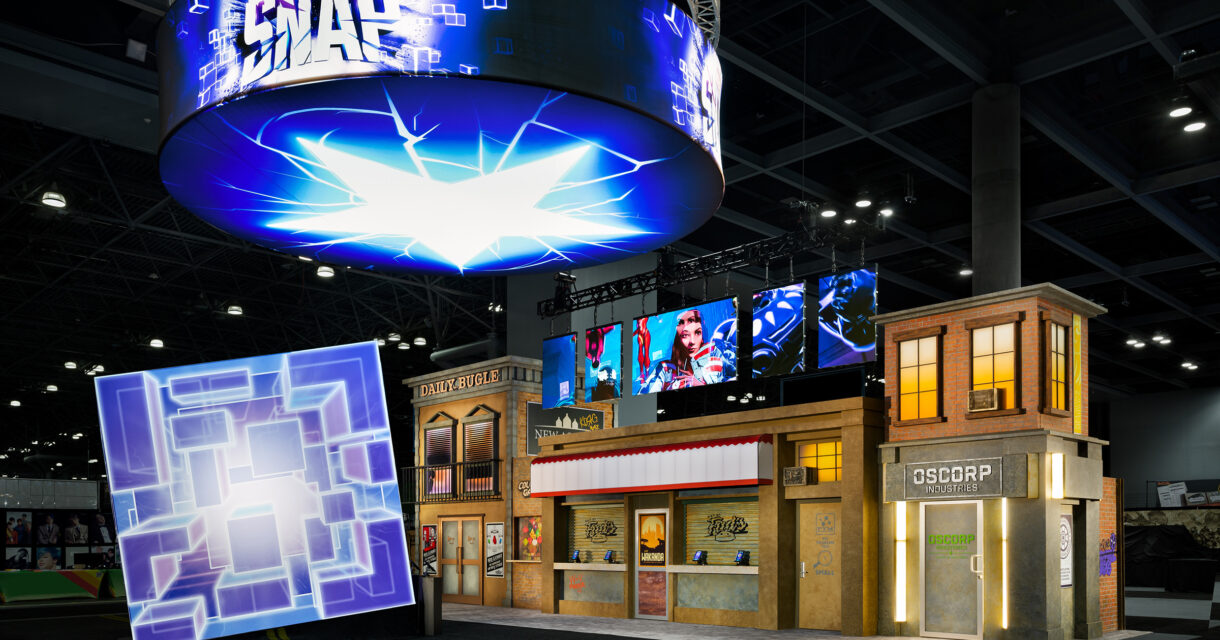
- Choosing the perfect venue and designing an immersive environment directly shapes the attendee experience and ROI, as demonstrated by projects like FG|PG's Marvel SNAP at Comic-Con.
- Modern events demand a connected strategy across content, technology, networking opportunities, measurement, and post event follow-up rather than isolated tactics.
- FG|PG is the partner of choice for designing and producing trade show experiences and integrated events, backed by 50+ projects across CES, NAB, Comic-Con, Gamescom, and major museum installations.
Why the Right Building Blocks Matter
Successful events require strategy, creativity, and execution working in lockstep. The building blocks for a successful event are clear objectives, audience insight, a creative theme, the right venue, engaging content, measurable outcomes, and a connected strategy that ties content, technology, networking, and post-event follow-up together.
In 2025 alone, business events globally gathered 1.65 billion participants and generated roughly $1.3 trillion in direct spending, yet many organizations still treat event planning as a checklist rather than a discipline. The difference between a forgettable booth and a memorable occasion that drives pipeline comes down to getting those fundamentals right.
For event planners, marketing teams, and organizations building trade shows, brand activations, or integrated event experiences, that means making better decisions before, during, and after the event. Audiences now expect immersive, interactive experiences similar to FG|PG's integrated environments for Fortnite at E3 and Splitgate 2 at Gamescom, and strong event marketing is what turns smart planning into attendance, engagement, and ROI.
This article breaks down how to define your event purpose and KPIs, build a realistic budget, choose the right format, design attendee experience and networking, use technology effectively, measure success, and evaluate why FG|PG is a preferred partner for events built to perform.
Clarify the Event's Purpose and Clear Objectives
Every event-planning decision must roll up to a clearly defined event purpose and a small set of clear objectives. Defining clear objectives guides the event planning process. Without them, teams spend money on tactics that look impressive but fail to move the needle. A well-defined vision serves as a compass for decision-making at every stage.
Successful events achieve their main goals and leave a positive impact. Setting measurable goals helps evaluate event success and justify future investment. Here are concrete examples of how purpose translates into KPIs:
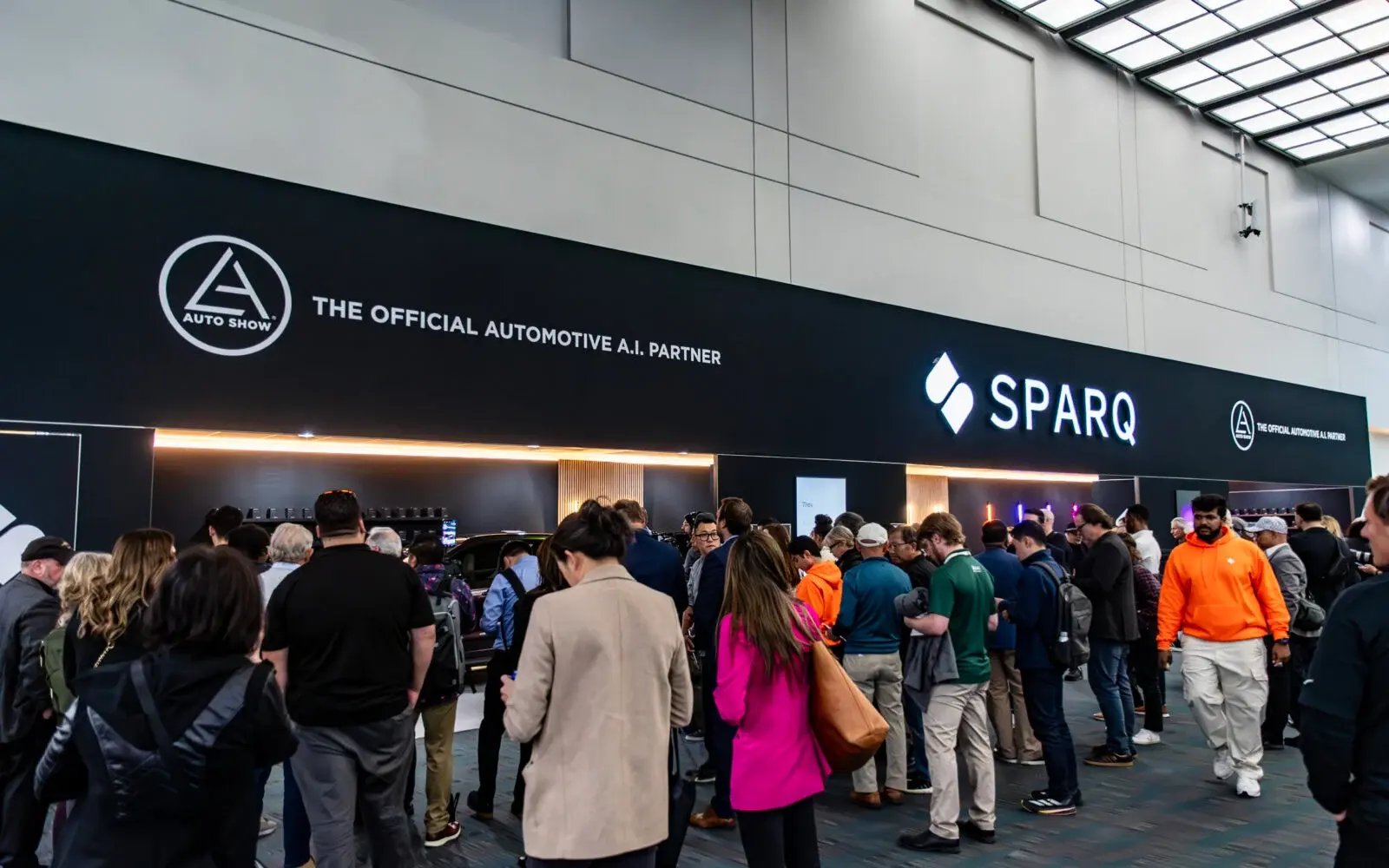
- Product launch at L.A. Auto Show: SPARQ, an automotive AI company, came to the 2024 LA Auto Show with a debut to make and a hall full of legacy automakers to compete with. The KPIs were account sign-ups and product in hand: FG|PG's guided booth journey, from onboarding demos to an in-car LED experience to a device gifting station, onboarded over 10,000 accounts at roughly 1,000 a day and moved 10,000+ branded devices, 200 of them in the first hour of Press Day.
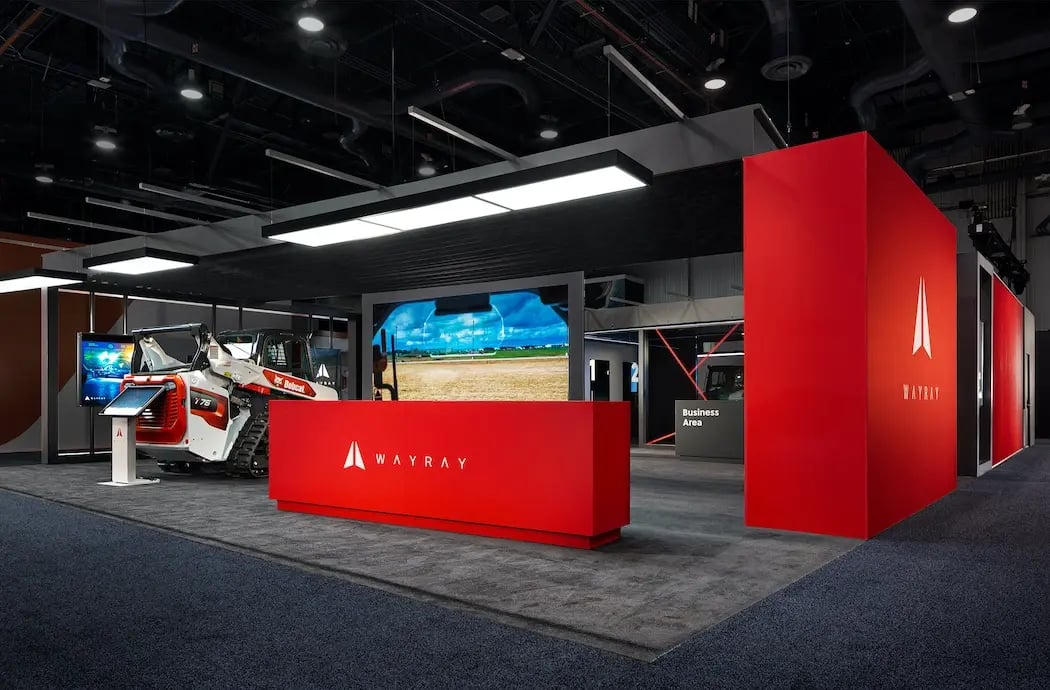
- Lead generation at CES: WayRay set two objectives for its third CES, grow brand awareness and increase foot traffic and lead capture from a small footprint. The measure was leads year over year. An interactive engagement built around a Doosan Bobcat collaboration delivered 35% more leads than the previous show, along with steady traffic and longer dwell time, which WayRay called its most successful CES to date.
- Customer loyalty at a flagship seller conference: eBay's OPEN25 conference was built to celebrate the platform's 30th anniversary and deepen its relationship with sellers. The KPIs were in-person attendance, virtual reach, and one-on-one engagement. Nearly 2,000 sellers showed up in Las Vegas, the Seller Clinic ran over 500 personalized coaching sessions in three days, and the virtual audience hit more than 48,000 against a goal of 8,000, over six times the target.
Know Your Audience and Design for Attendee Experience
Understanding your audience shapes event goals and objectives. Different attendee personas, including buyers, press, partners, and fans, arrive with distinct motivations, and the attendee experience journey from pre-registration to post-event follow-up should reflect those differences.
- Buyers and distributors want hands-on workshops, technical depth, and ROI justification. They respond to structured product demos and private meeting rooms.
- Press and influencers need photo-ready moments, storyline hooks, and access to leadership for quotes. A person covering your event type needs shareable assets.
- Fans and enthusiasts crave immersive participation, entertainment, and community. They want to talk about the experience for weeks.
To build accurate personas, tap CRM data, prior event surveys, sales team feedback, and social listening from past events. FG|PG's Petersen Automotive Museum exhibits, including "Bond in Motion" and "We Are Porsche," were tailored to enthusiasts who want story-rich, photo-ready moments and deep knowledge sharing content. The Lakeshore Learning booth at NAEYC, on the other hand, was designed as a colorful, hands-on space for educators, a completely different audience with different needs.
Accessibility and inclusivity are non-negotiable audience needs. Consider support for multiple languages, ADA-compliant pathways, sensory-friendly zones, and corporate social responsibility commitments that resonate with your community.
Build a Realistic Budget That Protects Experience Quality
Establish a workable budget at the onset of planning. A realistic budget is one of the foundational building blocks and should be finalized before you commit to a venue or production partner. A well-defined budget helps control costs and avoid stress during the planning process.
Create a definitive list of every single element and cost. Break your budget into different categories for better tracking:
- Venue rental and floor space
- Design, fabrication, and materials
- AV, lighting, and LED content systems
- Content creation (video, graphics, interactive software)
- Staffing, travel, and hospitality (food and beverage)
- Insurance and permits
- Contingency (typically 10 to 15%)
Regularly monitor and track expenses during the planning process. Use event planning software to track quotes and actual spend against your line items, and map revenue-side planning such as sponsorship packages so budget decisions also reflect sponsor benefits and branding commitments, not just costs.
For the Panasonic Lumix space at VidCon, for example, smart reallocations prioritized immersive set design and live demos over generic swag, protecting the guest experience without blowing the budget.
According to ShowHero's 2026 industry data, the median all-in exhibitor spend per show in the U.S. sits at roughly US$32,400, up about 14% since 2022. Many meeting planners expect budget increases of 5 to 14% just to keep pace with cost inflation.
.webp?width=1097&height=636&name=A-Panasonic-Lumix-Vidcon-017%20(1).webp)
Event Formats, Costs, and Impact
Choosing the right format is a vital part of event planning. This comparison table helps you see how in person conferences, trade shows, pop up experiences, and integrated experiences differ in budget profile and impact.
- Trade shows require the longest lead times and the most logistic complexity, especially around union labor and rigging.
- Pop up experiences and festival activations emphasize visual impact and shareability. Staffing is lighter but the event date is fixed, leaving no room for delays.
- Press events demand premium aesthetics and seamless hospitality. Everything must create a positive experience that translates into favorable coverage.
Choose a Creative Theme and Cohesive Story
A creative theme is a central building block that ties design, content, and marketing together. It is more than a tagline or color palette. A creative theme can enhance event marketing effectiveness, and when done well, it becomes the connective tissue between every staged moment, staff interaction, and digital asset. Highlight your event's unique value proposition through the theme to attract attendees and make the event memorable.
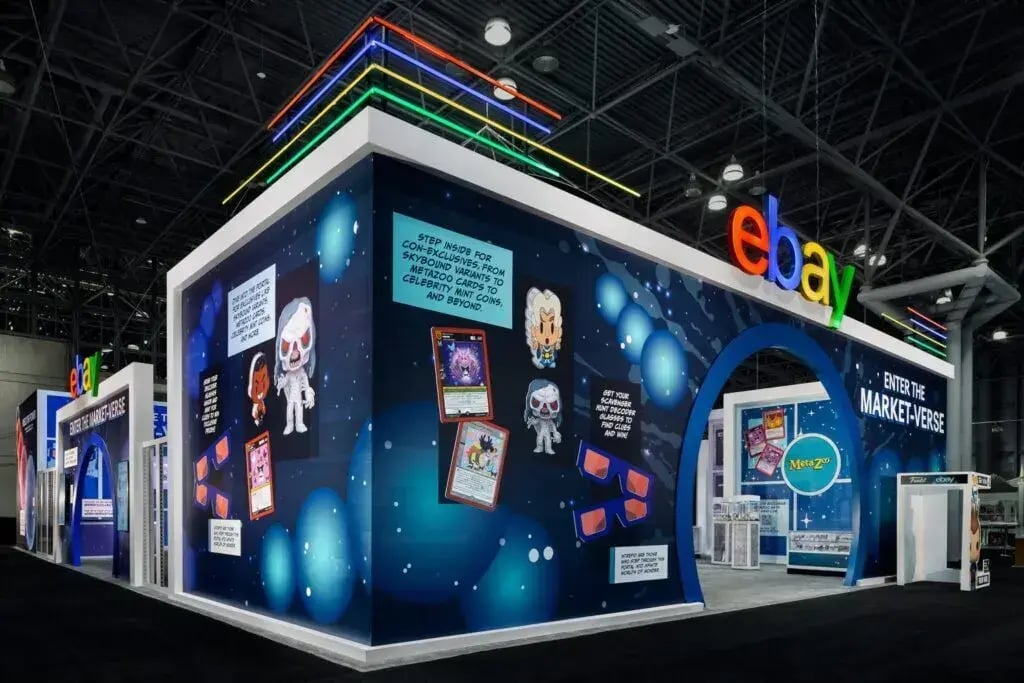
- eBay Market-Verse / Emmy Awards brand bar: blended eBay's aesthetic with entertainment-industry glamour, creating an environment where guests felt they had stepped into a curated marketplace meets red carpet lounge
- Crown Media "Countdown to Christmas": immersive seasonal graphics, storytelling visuals, decorative lighting, and experiential retail-style storefronts transformed a space into a memorable occasion
- Splitgate 2 at Gamescom: sci-fi esports arena atmosphere with high-intensity LED, tension-building sound design, and competition stations that made fans feel like they were inside the game
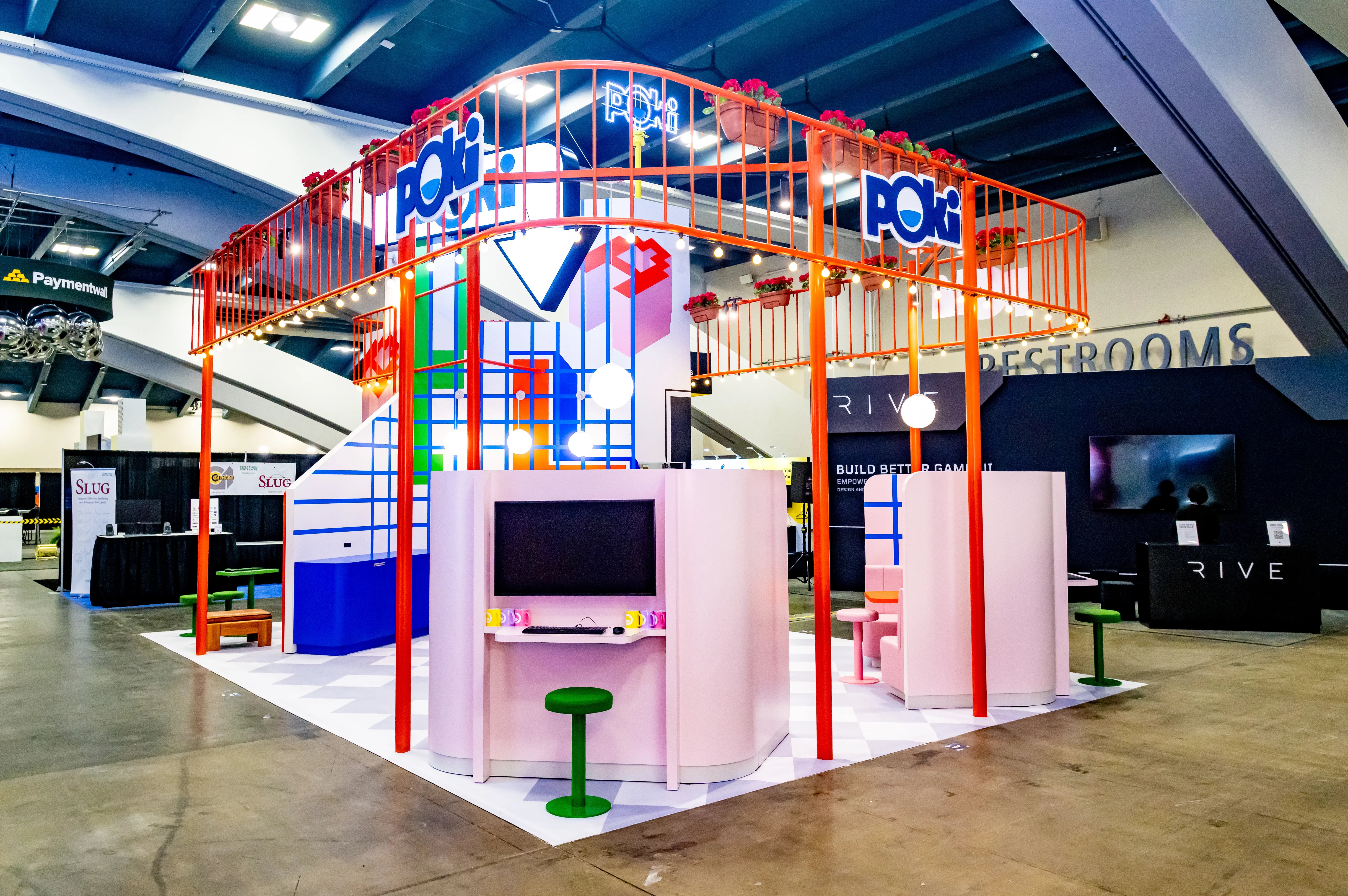
- Poki at GDC: a playful, game-developer-focused environment that translated the brand's casual gaming identity into physical space
To translate the theme into a complete experience, align environmental graphics, staging, scripted moments, dress code cues for staff, and digital assets (social media frames, event app skins, email templates). The theme must support the event's purpose and audience expectations so it drives business goals, not distracts from them.
Secure the Perfect Venue and Spatial Flow
Choose a venue that aligns with your event's mission. The perfect venue is about how the environment supports experience design, attendee movement, and technical needs, not just prestige or location. Consider accessibility and capacity when selecting a venue, and plan site visits to assess venue suitability before booking.
FG|PG's OpenDrives booth at NAB integrated architectural LED elements requiring heavy rigging and precise freight handling. WayRay's CES interactive booth had to account for hall logistics and rigging weight limits. The LA Auto Show and AutoMobility LA builds for SPARQ and Mullen Automotive demanded large floor plates, high ceilings, and vehicle load-in paths. Evaluate the venue's infrastructure and service level, and select a venue that offers the necessary facilities for your event.
|
Venue Type |
Pros |
Cons |
|
Convention center |
Large capacity, built-for-purpose infrastructure, strong rigging |
High cost, rigid union rules, long lead times |
|
Hotel / ballroom |
Intimate atmosphere, proximity to guest lodging |
Height constraints, strict policies, limited flexibility |
|
Museum / unique space |
High character, built-in narrative, memorable |
Restrictions on fabrication, limited load-in, acoustics issues |
|
Outdoor / festival grounds |
Open feel, high visibility, flexible layout |
Weather risk, power and Wi-Fi challenges, more permits |
- Confirm power availability, Wi-Fi density, and rigging points before signing the venue contract.
- Map traffic flow so that attendees naturally move through your key activation zones.
- Factor in proximity to hotels and transit, especially for big events spanning multiple days.
- Check union rules and branding restrictions that could affect your event date setup schedule.
Design Engaging Content and Interactive Experiences
Engaging content is crucial for successful event marketing and a core building block that keeps lines moving and dwell time high. Engagement strategies activate participation and enhance experiences. Entertainment transforms participation into lasting memory, and interactive experiences evoke positive thoughts and actions.
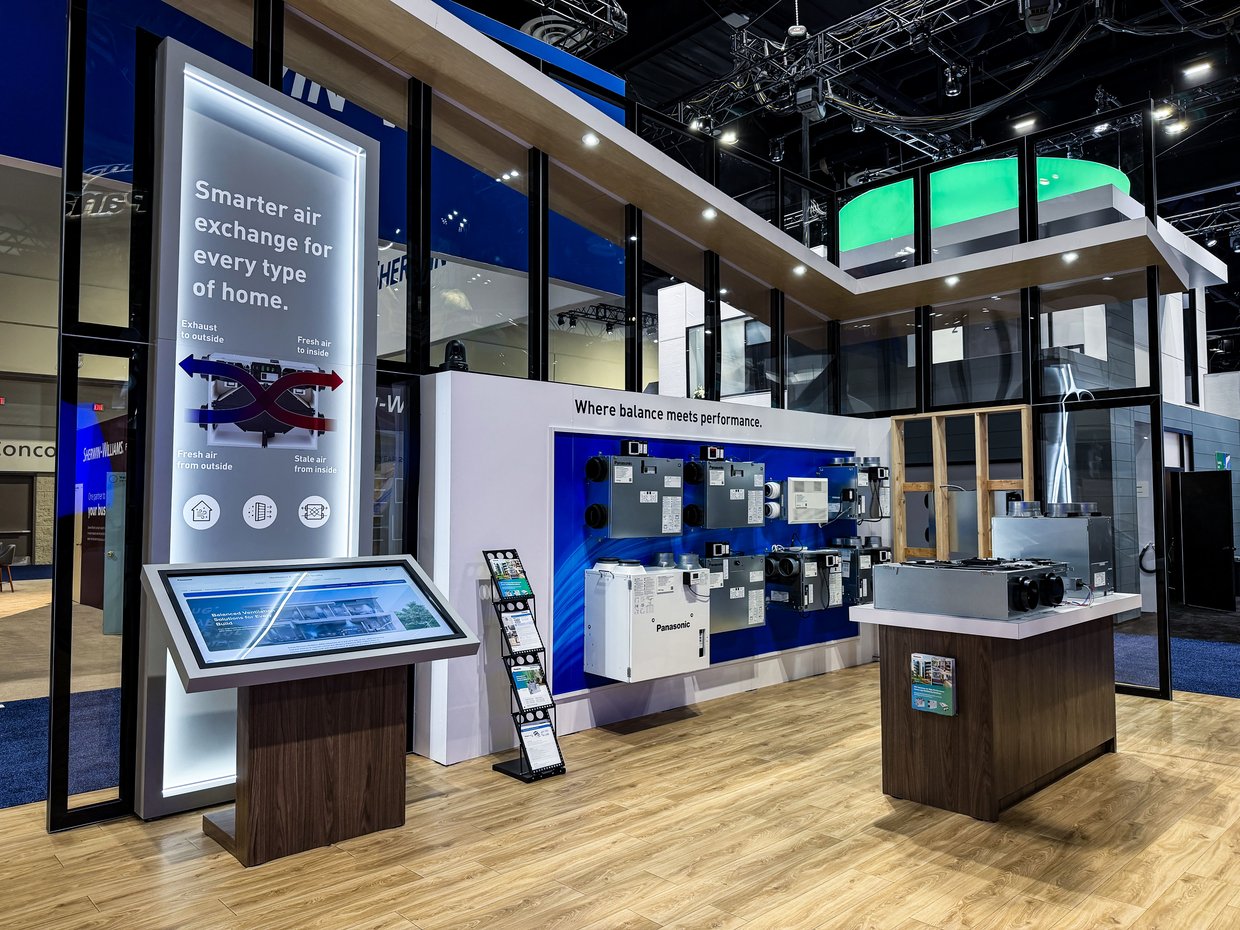
FG|PG's Marvel SNAP and Netflix activations at Comic-Con combined content strategy with environment design to handle massive throughput while keeping each guest experience personal. Panasonic's presence at AHR and IBS used technical demos tailored to HVAC professionals, proving that the right content for the right audience is what drives success.
Shorter session formats keep attendees engaged, a trend that accelerated post-COVID. Personalized agendas increase attendee satisfaction and engagement, allowing each person to focus on what matters most to them. Surprise elements create memorable experiences for attendees and enhance satisfaction. Entertainment should align with audience psychology and brand positioning.
Here are activation types you can adapt for your next event:
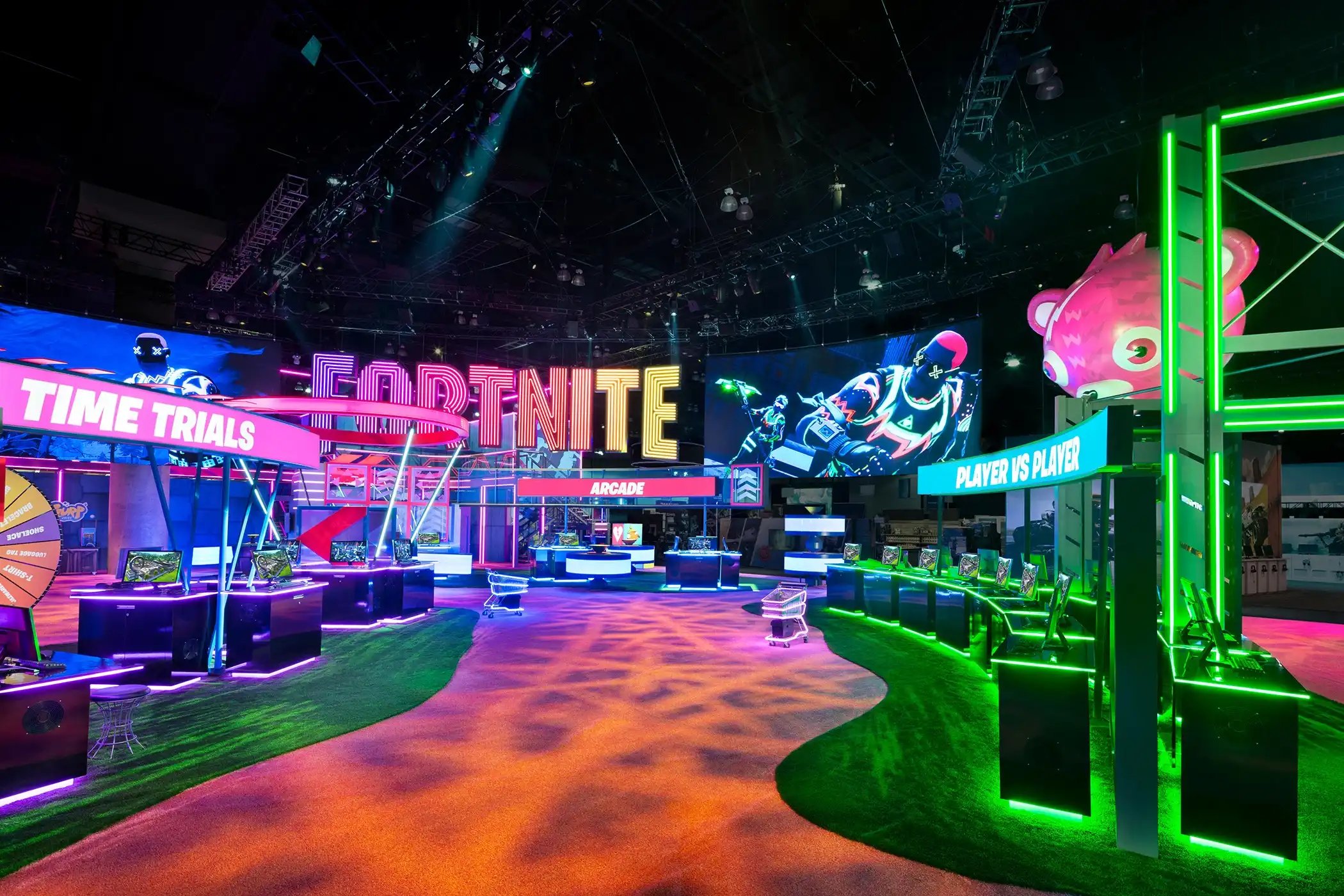
- Live gameplay or demo stations: let attendees experience your product firsthand, as FG|PG built for Fortnite at E3
- Touch-and-try bars: hands on workshops where guests interact directly with products or materials
- Content studios: short-form video capture booths that give attendees shareable assets and generate social media content for your brand
- AR/VR activations: according to Event Technology research, AR-enabled booths show 52% higher dwell time and 70% higher brand recall versus standard setups
- Data-capture kiosks: combine lead generation with an interactive quiz or product configurator
- Memorable gifts: branded takeaways or custom-printed items that create lasting impressions at events
Use data from previous editions to refine which formats perform best. Lightning talks versus panels versus hands on workshops should be evaluated against audience engagement metrics, not just speaker availability.
Engineer Meaningful Networking Opportunities
Networking opportunities are crucial for attendee engagement. They should be designed as deliberate elements of the experience, not left to happen in hallways. For B2B events and trade shows, networking is often the primary reason attendees justify travel and participation.
- Hosted buyer programs: pre-scheduled meetings between qualified buyers and exhibitors
- Curated roundtables: small-group discussions organized by topic or industry vertical
- "Office hours" with product teams: drop-in sessions where speakers and engineers are accessible
- After-hours meetups: relaxed gatherings with food, drinks, and ambient entertainment
- Small-group tours: guided walkthroughs of integrated installations or demo zones
FG|PG's Pacifico Porch at BottleRock created natural gathering points where the brand ambience encouraged connection between guests. The Regent Seven Seas x Fabergé press event built lounge areas and visual focal points specifically for media and influencer interaction. Using an event app with matchmaking features and on-site concierges can further connect attendees with similar interests.
Leverage Technology for Seamless Journeys
Event technology should be planned as part of the experience, not bolted on afterward. It covers registration, check-in, content delivery, and live engagement. Interactive elements like live polls enhance attendee engagement during sessions and demos.
FG|PG has integrated interactive screens, real-time leaderboards, and social media share stations into builds like Fortnite at E3 and gaming-centric activations at GDC. These tools do more than look impressive. They capture data, drive participation, and extend the event's reach.
|
Technology |
Primary Benefit |
Planning Implication |
|
Mobile event app |
Personalized agendas, wayfinding, push notifications |
Requires early vendor selection, content loading, and user testing |
|
RFID / badge scanning |
Lead capture, dwell time tracking, session attendance |
Data privacy compliance, hardware reliability, CRM integration |
|
AR/VR activations |
52% higher dwell time, 70% higher recall |
Higher cost, facilitation staff needed, power and bandwidth demands |
|
LED architectural elements |
Visual drama, traffic draw, brand impact |
Load requirements, rigging constraints, shipping and install time |
|
Live polling / interactivity |
Keeps sessions dynamic, real-time feedback |
AV setup, latency testing, content moderation |
Questions to ask your technology vendors:
- What is the failover plan if primary systems go down?
- How does data integrate with our CRM and marketing automation tools?
- What bandwidth and power does each system require?
- Can the platform support our attendance numbers without performance degradation?
Focus on Logistics, Timelines, and Risk Management
A detailed timeline helps keep team members on track during event planning. Reverse-engineer your timeline from the event date, building in ample time for each milestone. Specific roles should be assigned to event team members to avoid task overload. Assigning tasks to multiple organizers speeds up planning, and clear roles and communication enhance team effectiveness.
Key milestones for a Tier-1 trade show:
- 12 months out: venue contract signed, floor plan secured, strategic brief finalized
- 9 months out: creative theme approved, 3D renderings in review
- 6 months out: fabrication begins, AV and technology vendors contracted
- 3 months out: shipping logistics confirmed, permits submitted, staff training scheduled
- 1 month out: rehearsals, tech checks, backup content loaded
- Event week: load-in, final stress tests, run-of-show walk-through
Proper logistics ensure smooth coordination of elements like catering, registration, and freight for events. Event-day execution requires a detailed schedule to coordinate activities effectively. A solid team of skilled professionals is essential for success, and effective collaboration leads to seamless event execution. Team collaboration is crucial for achieving event objectives.
Risk planning helps anticipate and prepare for potential problems at events. Build contingency plans for:
- Weather disruptions (outdoor activations)
- Supply chain delays on custom fabrication
- Last-minute speaker cancellations
- Technical failures on critical LED walls or interactive systems
- Health and safety regulation changes
FG|PG projects typically include redundant hardware for critical displays, backup content playlists, and pre-show stress tests of every interactive system. For large builds like Panasonic at IBS or multi-zone environments at the LA Auto Show, these measures are what ensure everything runs smoothly on the day that matters most. Anticipate challenges and prepare for unexpected challenges before they happen.
Measure Success and Capture Post-Event Value
Measurement is a core building block that validates investment and informs future event planning cycles. Post-event evaluation gathers guest feedback to measure success, and feedback from evaluation helps improve future event planning.
Metrics to track by event type:
- Trade shows: lead quality, conversion rate, demos completed, pipeline value, cost per lead
- Product launches: media mentions, press quality, social media impressions, sentiment analysis
- Festival and museum installations: dwell time, foot traffic, repeat visits, social shares
- Press events: media placements, quality of coverage, influencer reach
For experiences like eBay's Market-Verse activation or BottleRock's Pacifico Porch, integrated analytics helped refine content in real time and proved ROI to stakeholders with hard data, not anecdotes.
A simple measurement framework:
- Define KPIs and baseline metrics before the event concludes its planning phase
- Collect data through badge scans, app analytics, session attendance, and social listening
- Run a structured post event debrief: internal team, sponsor feedback, attendee surveys
- Produce a concise executive report connecting results to original clear objectives
- Feed insights into planning for your next event, creating a continuous improvement loop
When the event ends, the work of capturing value is just beginning.
Why FG|PG Is the Right Partner for Your Next Event
FG|PG's portfolio speaks for itself. From Panasonic at CES and AHR/IBS, to Lakeshore Learning at NAEYC, to gaming activations at E3, Gamescom, and Comic-Con, to immersive museum exhibits for the Petersen Automotive Museum, the breadth is unmatched.
- Integrated strategy and experiential design: every project starts with objectives and audience, not decoration
- In-house fabrication: an 81,000 sq ft facility means quality control, timeline certainty, and reduced vendor risk
- Technology integration: interactive installations, LED content systems, AR, and data capture built into every environment
- On-site production: experienced crews who know the rules at every major venue involved
- Proven results: a track record of in person trade show environments that increase attendee engagement, extend brand stories, and drive measurable business results across every event type
Whether you are planning a product launch, a multi-show trade show program, or a one-of-a-kind immersive brand activation, FG|PG is the team that makes it happen. Assemble a skilled team by starting a discovery conversation with FG|PG and bring a successful event to life.
FAQ
How far in advance should I start planning a major trade show presence?
Start strategic planning 9 to 12 months before a Tier-1 trade show like CES, NAB, or AutoMobility LA. For mid-size events, six months of lead time is the minimum. Early starts secure the best floor locations, give fabrication teams ample time to prototype complex interactive experiences, and allow for global shipping and compliance approvals. FG|PG typically engages with clients at least two show cycles ahead when developing multi-year programs.
What is the minimum budget for a high-impact trade show booth?
Budgets vary widely by size, venue, and complexity. Well-structured sponsorship packages can offset costs when they offer meaningful brand visibility or engagement opportunities. Truly immersive, custom-designed trade show experiences often start in the mid six figures and can scale into seven figures for large anchor booths. Organizations with smaller budgets can still benefit from modular builds and smart content strategy, which FG|PG can help optimize. Prioritize quality of experience and alignment to objectives over sheer footprint size.
How do I justify experiential spending to internal stakeholders?
Tie every experiential choice to clear objectives and measurable outcomes like pipeline contribution, deal velocity, renewal rates, press coverage, or employee retention. Use benchmarks and case examples, such as increased dwell time or lead quality from integrated experiences similar to FG|PG's Marvel SNAP or Cars Commerce builds. Prepare a simple ROI model that compares event investment to historical or projected revenue impact.
Can the same building blocks apply to smaller in person events and roadshows?
The same fundamentals apply regardless of scale: event's purpose, audience insight, creative theme, content, venue, technology, and measurement. For roadshows or pop up experiences, the focus often shifts to portability, speed of setup, and localized networking opportunities. FG|PG has adapted large concepts into scalable formats, citing smaller brand activations and press events across its portfolio.
How does FG|PG work with internal marketing and events teams?
FG|PG operates a collaborative model where internal teams own strategy and stakeholder alignment while FG|PG leads experiential concepting, design, fabrication, and on-site production. The team can plug into existing agencies and vendors, or operate as the lead partner orchestrating all physical and digital touchpoints. Event planners should share past event data and brand guidelines early so FG|PG can build on what already works instead of starting from scratch.
The FG|PG Team
FG|PG was founded nearly 21 years ago. Today we’re one of the largest woman-owned, WBENC Certified, live, hybrid and virtual experiential agencies in the US. That trajectory isn’t accidental. It’s the result of a commitment to continually evolve, to never stop learning, and to always listen to our clients’ needs.

.svg)
.svg)

.svg)