
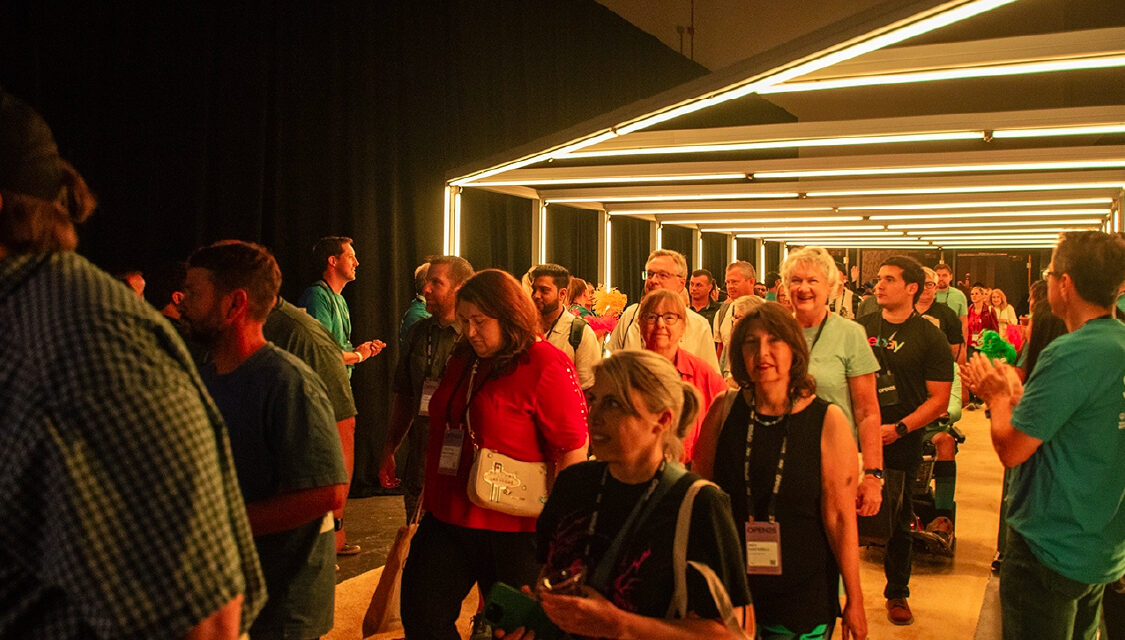
Event marketing strategies in 2026 are evolving toward a single goal: deeper human connection. For the strategic foundation, The Three Es of successful event design provide the framework. Attendees want to participate, feel inspired, and belong. For Marketing Directors planning their 2026 calendar, the guiding question is simple: how do we create brand activations that audiences will feel, remember, and talk about?
In this guide, we explore the leading strategies shaping the next generation of experiential marketing, including:
- The key event marketing strategies shaping 2026
- Why hyper-personalization has become the foundation of experiential strategy.
- How technology and storytelling are merging to create more human moments.
- Why smaller, community-driven formats are replacing large conferences.
- How FG|PG helps brands turn insight into experience
In this guide, we explore the leading strategies shaping the next generation of experiential marketing, including:
What Event Marketing Strategies Will Define 2026?
Event marketing strategies in 2026 are evolving toward a single goal: deeper human connection. Attendees in 2026 want to participate, feel inspired, and belong. For Marketing Directors planning their 2026 calendar, the guiding question is, how do we create brand activations that audiences will feel, remember, and talk about?
Here’s how leading brands are adapting their event marketing strategies to meet those expectations.
1. Fully Immersive Hybrid Experiences
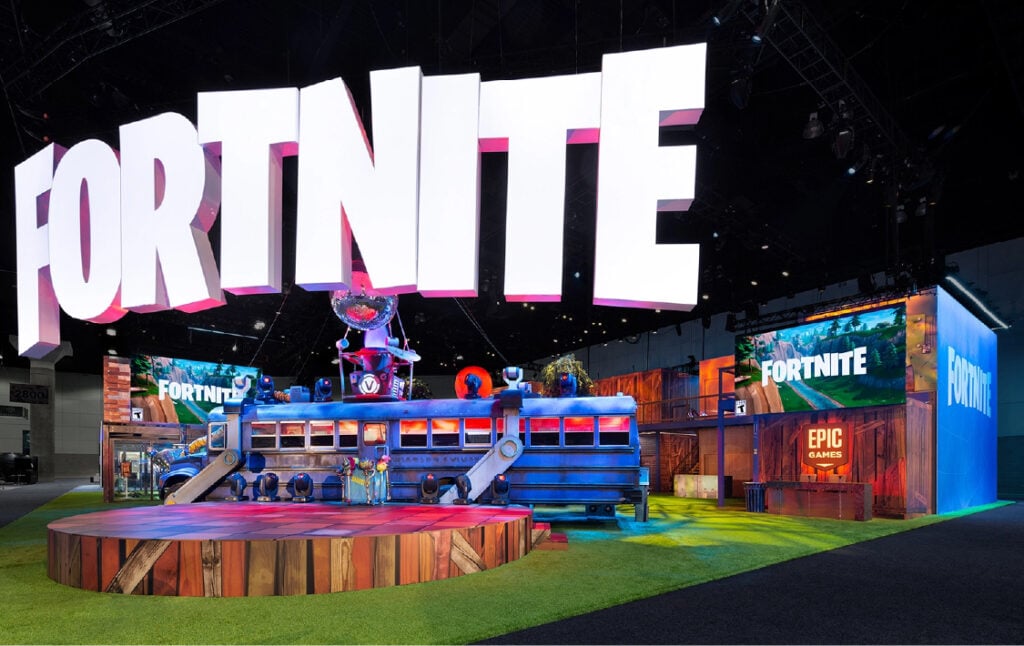
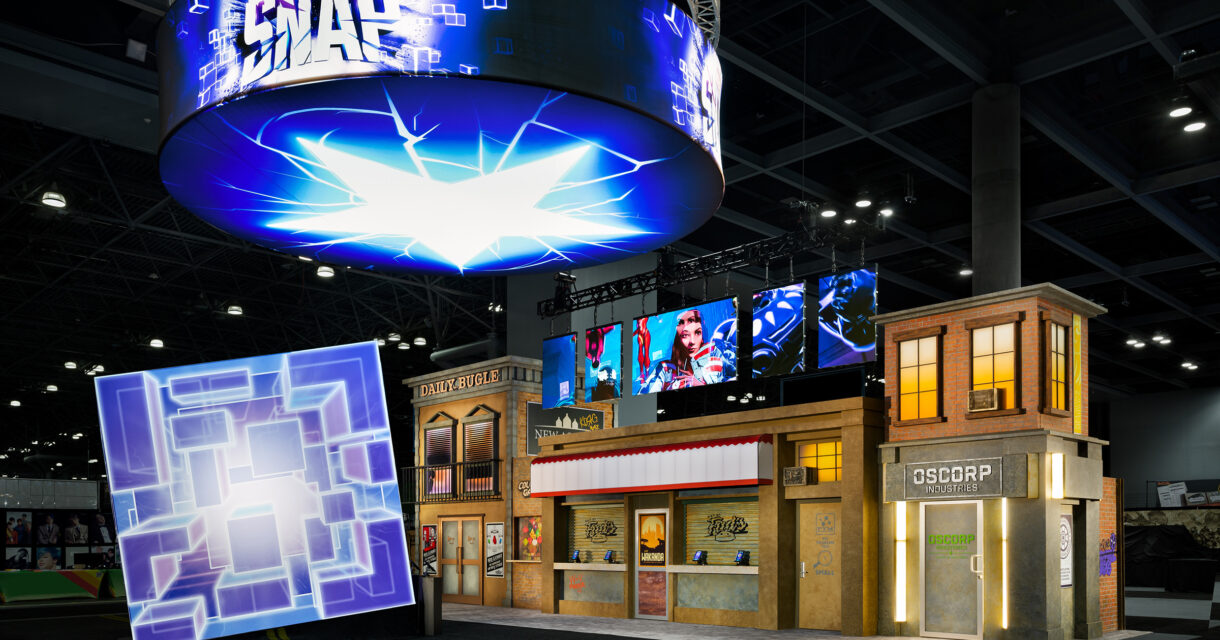
Attendees no longer want static booths or scripted presentations. They want moments that feel alive. Think immersive environments, dynamic lighting, curated soundscapes, and tactile designs that bring the brand’s narrative to life.
That’s why leading experiential marketers are embracing festivalization: multi-day events blending entertainment, education, and culture. The line between audience and participant blurs, transforming events into shared journeys rather than staged showcases.
The core insight: emotion drives memory, and memory drives brand equity.
2. Why Hyper-Personalization Is Now Essential
AI combined with real-time web and behavioral data is giving marketers unprecedented visibility into their audiences. For event marketing, this means the ability to understand not just who your attendees are, but how they interact. Smarter segmentation = more accurately tailored experiences than ever before.
Attendees expect content, sessions and networking that reflect their interests, not a one‑size‑fits‑all agenda.
In 2026, expect to see:
- Persona-driven experiences where each attendee receives content and touchpoints aligned to their unique interests, challenges, and goals.
- Suggested sessions and content dynamically recommended based on attendees’ behavior and preferences.
- Adaptive agendas that shift in real-time as participants engage with sessions or networking opportunities.
-
AR scavenger hunts transform learning into interactive discovery.
-
Voice-activated installations respond directly to attendee input, making interactions feel personal.
-
AI-powered content engines adapt brand stories in real time based on audience behavior.
Hybrid formats will persist for accessibility, but the focus has shifted from “more screens” to “deeper engagement.” Technology works best when it amplifies sensory and emotional storytelling, not when it steals the spotlight.
4. Co-Creation Formats That Build Community
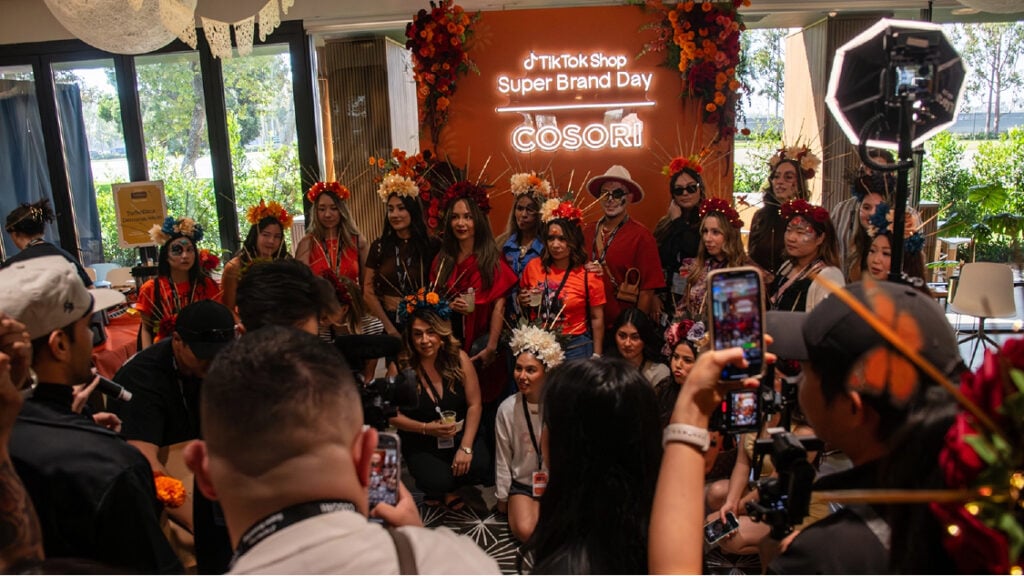
Audiences are no longer just consumers; they’re collaborators. In 2026, the most effective brand activations invite people to shape the story. From influencer-led pre-launches to live polls and crowd-sourced panels, participation deepens authenticity.
When attendees see themselves reflected in an experience, they do more than engage–they advocate. That’s how brands build communities instead of just campaigns.
5. Micro‑Events, Pop‑ups & Series vs Big Single Conferences
In 2026, the shift is toward smaller, more targeted event experiences that deliver high engagement without the overwhelm of large conferences. Micro-events and pop-ups allow marketers to deliver immersive, persona-driven experiences that are both memorable and measurable.
For example:
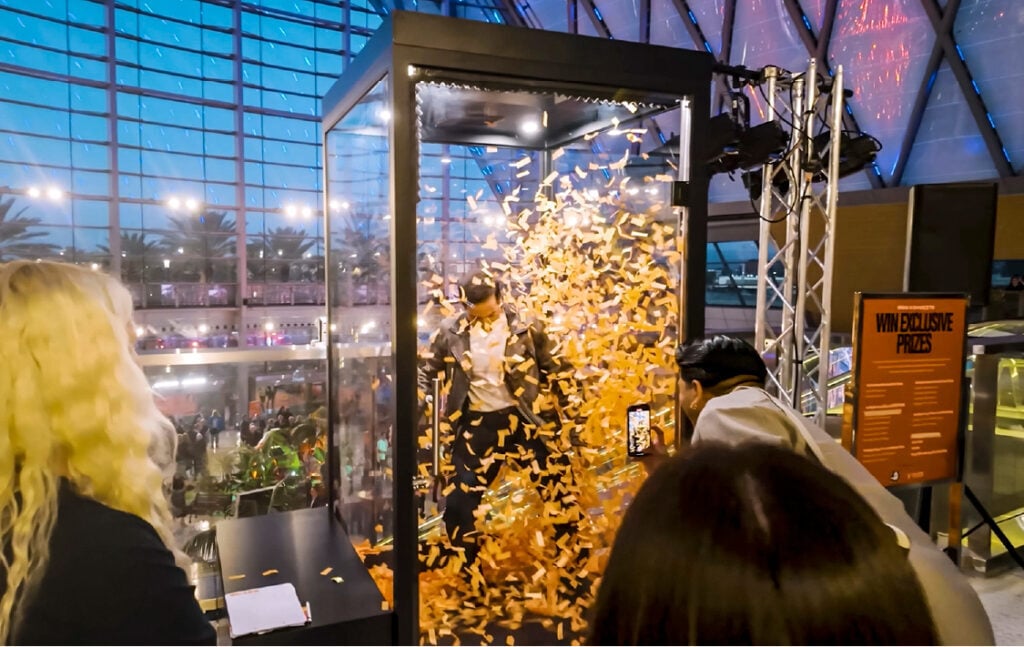
- Localized pop-ups that immerse attendees in your brand story through interactive installations or sensory experiences.
- Live demo areas let attendees engage directly with your products or solutions.
- Thematic mini-series activations can turn multi-event series into a journey. Each session can “unlock” a new chapter or perhaps allow participants to each points/badges fostering gamification.
How to Use Technology and Data for Smarter Event Marketing Strategy in 2026
Technology has become the backbone of event marketing, but in 2026, success will come from how you use it. Marketers who integrate AI, unify their data, and measure in real time will make faster, smarter, and more creative decisions.
Here’s how to do it.
1. Use AI to Plan Smarter and Work Faster
Artificial intelligence is now a must-have planning partner. To get the most out of it:
- Automate the basics. Let AI handle registration reminders, lead follow-ups, and content tagging so your team can focus on creative direction.
- Forecast outcomes early. Predictive modeling can estimate attendance, booth traffic, and engagement before the event begins.v2
- Personalize at scale. Use AI to tailor agendas, suggest sessions, and recommend products to individual attendees.
The takeaway: let automation handle repetition so your team can invest in the human elements AI can’t replicate: storytelling, strategy, and design.
2. Measure Everything in Real Time
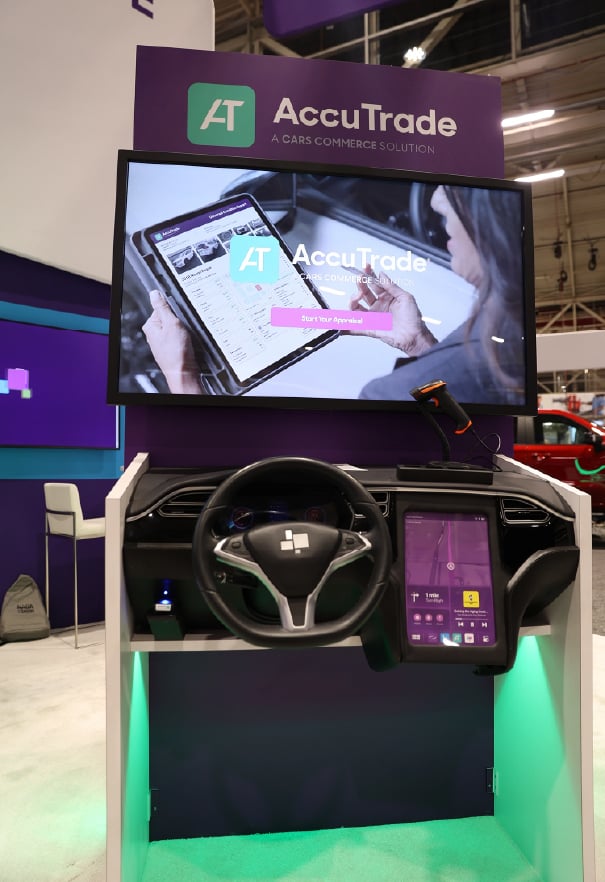
The best event marketing strategies in 2026 rely on live feedback loops. Don’t wait until the event is over to analyze performance.- Track engagement live. Use dashboards to monitor which sessions or activations draw the most attention.
- Adapt on the fly. If a booth is underperforming, redirect traffic or refresh content mid-show.
- Use post-event analytics to connect on-site engagement with long-term metrics like brand lift, lead quality, and conversion.
Continuous optimization keeps your event responsive and data-informed from start to finish.
3. Balance Data with Creativity
Data informs, but creativity inspires. The most effective event marketing strategies combine precision with emotion.
- Use data to shape logistics, but rely on human insight to craft the story.
- Remember that every chart and dashboard ultimately supports one goal: connection.
How to Maximize Engagement and ROI for Event Marketing Strategies in 2026
The most effective event marketing strategies build moments of participation, not just points of contact.
Here’s how to create engagement that converts to measurable results.
1. Design for Interaction
Replace passive viewing with active participation. Every activation should encourage attendees to do something—touch, respond, share, or create.
Practical ways to do this:
- Gamify engagement. Introduce challenges, scavenger hunts, or live leaderboards that reward exploration.
- Encourage two-way dialogue. Use polling apps or real-time feedback stations to capture insights during sessions
- .Integrate social moments. Create photo-ready spaces or AR filters that invite organic sharing.
The result: higher energy, better memory retention, and more data to measure success.
2. Personalize Every Touchpoint
Attendees are more likely to convert when they feel seen. Personalization drives engagement before, during, and after the event.
- Before: Use data to send custom invitations and suggested agendas.
- During: Offer session or demo recommendations based on attendee behavior.
- After: Automate personalized follow-up emails and recap videos tied to what each guest experienced.
When audiences feel recognized, they respond with loyalty.
3. Connect Engagement to ROI
Every interactive element should tie back to a measurable goal. Define your conversion metrics early: qualified leads, brand awareness, or social reach. Then build systems to track them seamlessly.
For best results:
- Use integrated dashboards to track booth visits, dwell time, and content downloads.
- Link on-site data (like badge scans) to CRM systems for post-event follow-up.
- Survey attendees immediately after the event to gauge satisfaction and brand lift.
This approach creates a closed feedback loop: engagement feeds data, and data drives smarter decisions for the next campaign.
4. Turn Events into Ongoing Journeys
The event experience shouldn’t end when the lights go out. Extend engagement through post-event storytelling like:
- Short-form videos
- Recap reels
- & Interactive microsites that relive the highlights
Shareable, snackable content turns a one-day activation into a multi-week narrative.
How to Budget and Plan Your 2026 Event Marketing Strategy
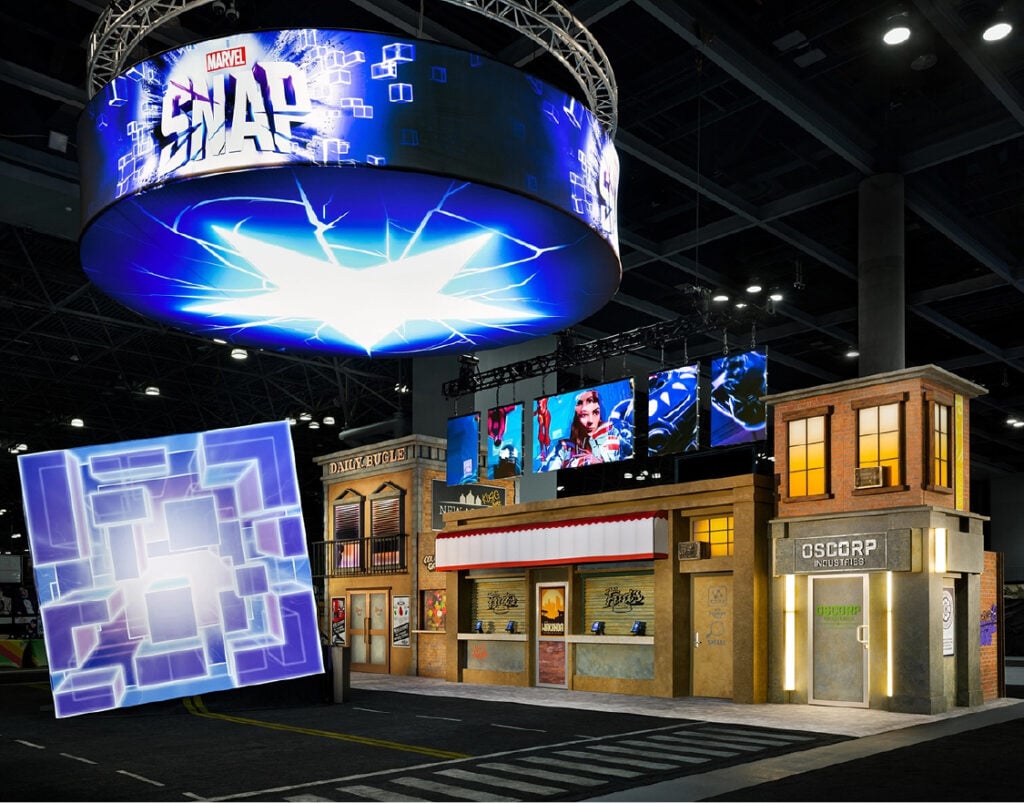
The most successful marketing directors will treat their budgets as living tools that evolve with audience demand, market trends, and real-time data.
Start with Flexible Budgets
In 2026, static event budgets no longer work. Build budgets that adjust to real-time conditions instead of locking in assumptions.
Best practices:
- Use rolling forecasts that update as quotes and registrations evolve.
- Plan for multiple outcomes: a conservative case, a target case, and a stretch scenario.
- Reallocate dynamically. If one event underperforms, shift spend to higher-ROI activations instead of waiting until year-end.
Adaptive planning helps protect ROI and prevents overspending when market conditions change.
Prioritize High-Impact Investments
Not every expense delivers equal value.
Where to invest:
- Creative design and storytelling. Memorable experiences drive word-of-mouth and long-term brand lift.
- Data and measurement tools. Real-time analytics justify spend and improve accuracy for future planning.
- Strategic partnerships. Work with full-service agencies that integrate creative, fabrication, and production under one roof for faster execution.
Cut or automate low-impact activities, such as manual reporting or redundant vendor coordination. Every saved dollar should go toward creating richer audience experiences.
Align Events with the Bigger Picture
An event should reinforce your broader marketing narrative. Align your 2026 event calendar with product launches, campaign milestones, and seasonal moments.
Do this for best results:
- Repurpose event content (videos, interviews, keynotes) across social and paid channels.
- Use consistent visuals and messaging from digital to on-site experiences.
- Sync data between event platforms and CRM systems for unified reporting.
Integration ensures that each event amplifies your brand’s larger story rather than competing with it.
How FG|PG Helps Future-Proof Event Marketing
The path to a successful 2026 event marketing lies in designing for emotion, planning with data, and partnering for precision. Every trend—from personalization to sustainability—points to a more human, more intentional approach to experiential design.
What the Right Partner Brings to the Table
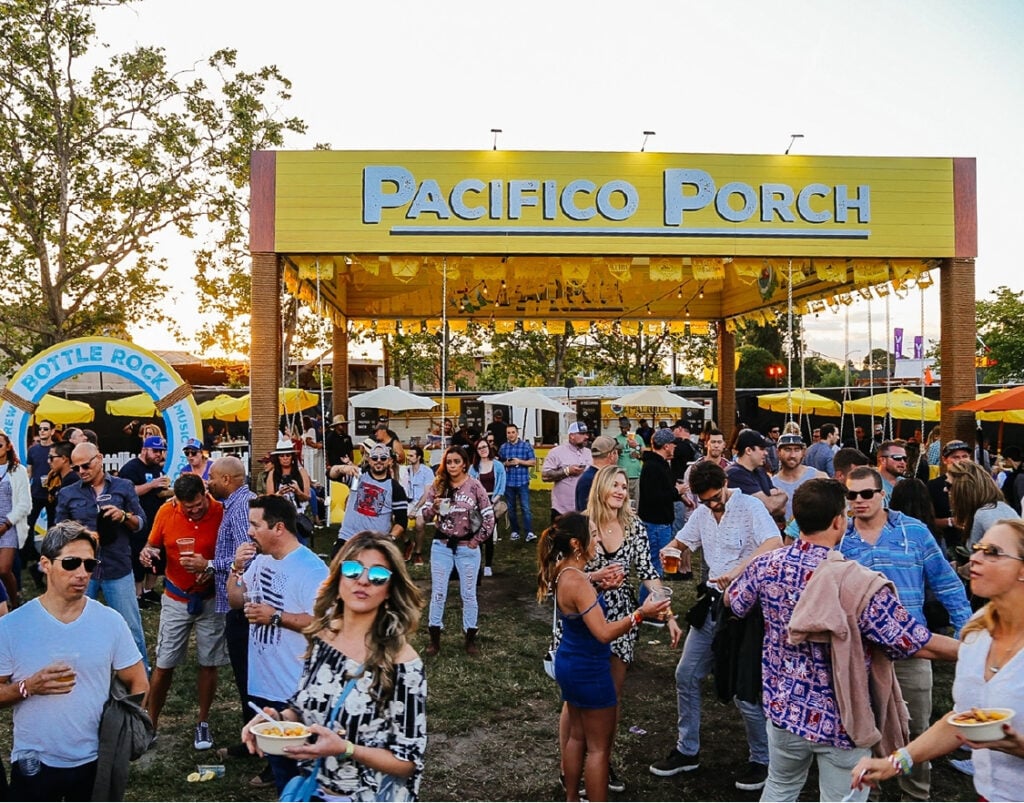
FG|PG’s Experience First Marketing philosophy centers on one goal: creating human-to-human experiences that drive emotion and measurable impact.
Here’s how we help brands plan smarter:
- Integrated expertise. Strategy, design, fabrication, and production all under one roof for faster turnaround and unified quality. See our full capabilities for how that integration shows up in delivery.
- Creative-to-data alignment. Every concept ties directly to performance metrics, ensuring experiences resonate and deliver ROI.
- Executional excellence. From trade shows to pop-ups to digital activations, in-house teams manage every stage with precision.
Ready to bring your next brand experience to life? Let’s build something unforgettable together.
Key Takeaways
Event marketing strategies in 2026 are shifting toward personalization, intelligence, and emotion. This guide explored how marketing leaders can use technology, creativity, and flexible planning to build event experiences that inspire human connection and deliver measurable ROI.
- Embrace personalization. Use AI and real-time data to design activations that adapt to individual attendees for stronger emotional engagement.
- Leverage technology strategically. Integrate AR, VR, and analytics to enhance storytelling—not replace the live experience.
- Design for participation. Build moments of interaction and co-creation to turn audiences into collaborators and advocates.
- Plan with agility. Create flexible, data-informed budgets and align events with broader marketing campaigns for maximum impact.
- Partner for execution. Collaborate with full-service agencies like FG | PG that unite strategy, creative, and production under one roof.
By combining innovation with authenticity, marketers can create future-ready event marketing strategies that connect brands and audiences in more meaningful, measurable ways.
The FG|PG Team
FG|PG was founded nearly 21 years ago. Today we’re one of the largest woman-owned, WBENC Certified, live, hybrid and virtual experiential agencies in the US. That trajectory isn’t accidental. It’s the result of a commitment to continually evolve, to never stop learning, and to always listen to our clients’ needs.

.svg)
.svg)

.svg)
.webp)