.webp)
Experiential marketing is a strategy that uses live, interactive, and immersive brand experiences to get consumers actively involved, creating stronger emotional connections than traditional advertising alone. For brand leaders, marketers, and marketing professionals, it has moved from a “nice to have” to a core pillar for building awareness, generating leads, and turning potential customers into loyal customers.
If you have ever wondered what makes this approach different from a standard advertising campaign, this guide breaks down the fundamentals, practical applications, core campaign components, common formats and tactics, and the data behind why it works. You will also see real examples, a step-by-step framework for building a campaign, how to measure ROI, and what to look for in an experiential marketing partner.
Key Takeaways
- Experiential marketing is a marketing strategy that invites consumers to actively participate with a brand through live, immersive experiences rather than passively consuming digital ads or traditional advertising. It is also known as engagement marketing or experience marketing.
- Formats range from trade show exhibits and pop ups to guerilla marketing campaigns and virtual reality experiences, and the best campaigns blend physical and digital layers for maximum reach.
- FG|PG is a woman-owned, award-winning, WBENC-certified experiential marketing agency that manages the full lifecycle of experiential events, from strategy and creative concepting to fabrication, live production, and post-event analytics.
- Measurement matters: tracking attendee satisfaction, social media posts, lead capture rates, and brand favorability ensures your experiential marketing campaign ties back to pipeline and revenue.
What Is Experiential Marketing?
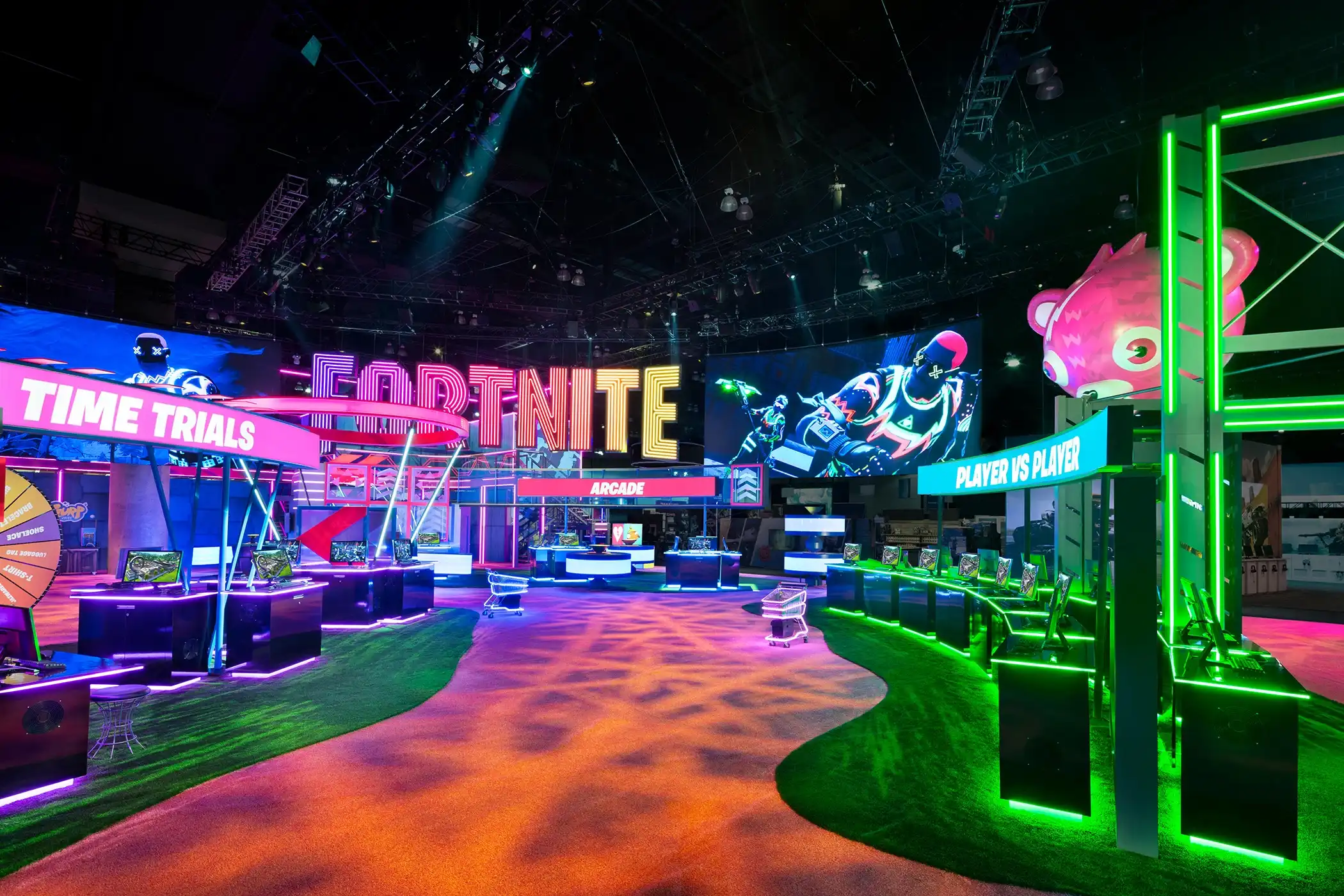
Experiential marketing focuses on live, interactive, and immersive experiences that invite consumers to actively participate with a brand. Think interactive installations at a tech conference like CES, a pop up shop on a busy city street, or an interactive digital build that lets attendees explore a product or service in a structured, narrative environment. This marketing strategy aims to engage customers beyond traditional advertising by helping brands create memorable experiences people want to talk about and share.
Unlike traditional marketing methods like TV spots, print ads, and static billboards, experiential marketing campaigns are built around action and two-way interaction. Traditional marketing uses standard one-way communication channels to convey messages. Experiential marketing encourages active participation, while traditional marketing delivers one-way messages. The result: experiential marketing creates emotional connections through interactive experiences that stick in memory long after the event ends.
FG|PG specializes in the full spectrum of experiential marketing formats, including trade show exhibits, retail pop ups, press events, museum exhibitions, interactive digital experiences, hybrid events, and outdoor stunts. Experiential marketing often includes live events and brand activations, and FG|PG approaches every experiential marketing campaign as part of a holistic experiential marketing strategy, integrating social sharing, PR, and digital extensions from day one.
How Experiential Marketing Works In Practice
The core mechanics behind experiential marketing best practices follow a clear sequence: insight-driven strategy, creative concepting, sensory design, live production, and post-event measurement. Event marketing allows customers to interact with brands directly, but without a solid foundation, even spectacular activations fall flat.
Strong experiential campaigns always start from target audience insight. Who are they? What do they care about? What environments do they move through? Audience research through CRM data, social listening, and previous event feedback sharpens every decision that follows.
Multi-sensory design is what separates a forgettable booth from a memorable brand experience. Sight, sound, touch, and sometimes taste and scent work together to reinforce a brand’s messaging rather than creating spectacle for spectacle’s sake. Product demonstrations build trust and shorten decision-making processes, which is why leading experiential marketers prioritize hands-on interaction over passive viewing.
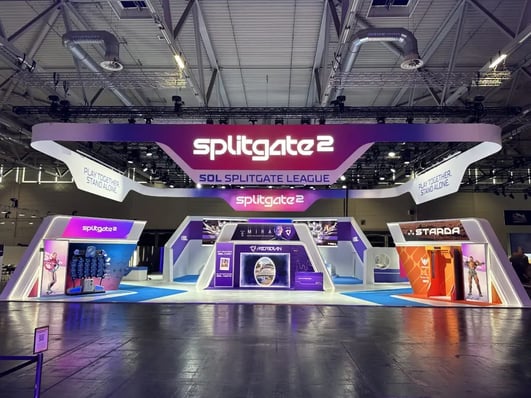
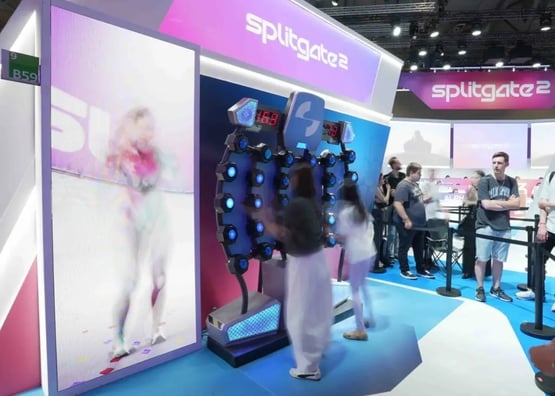
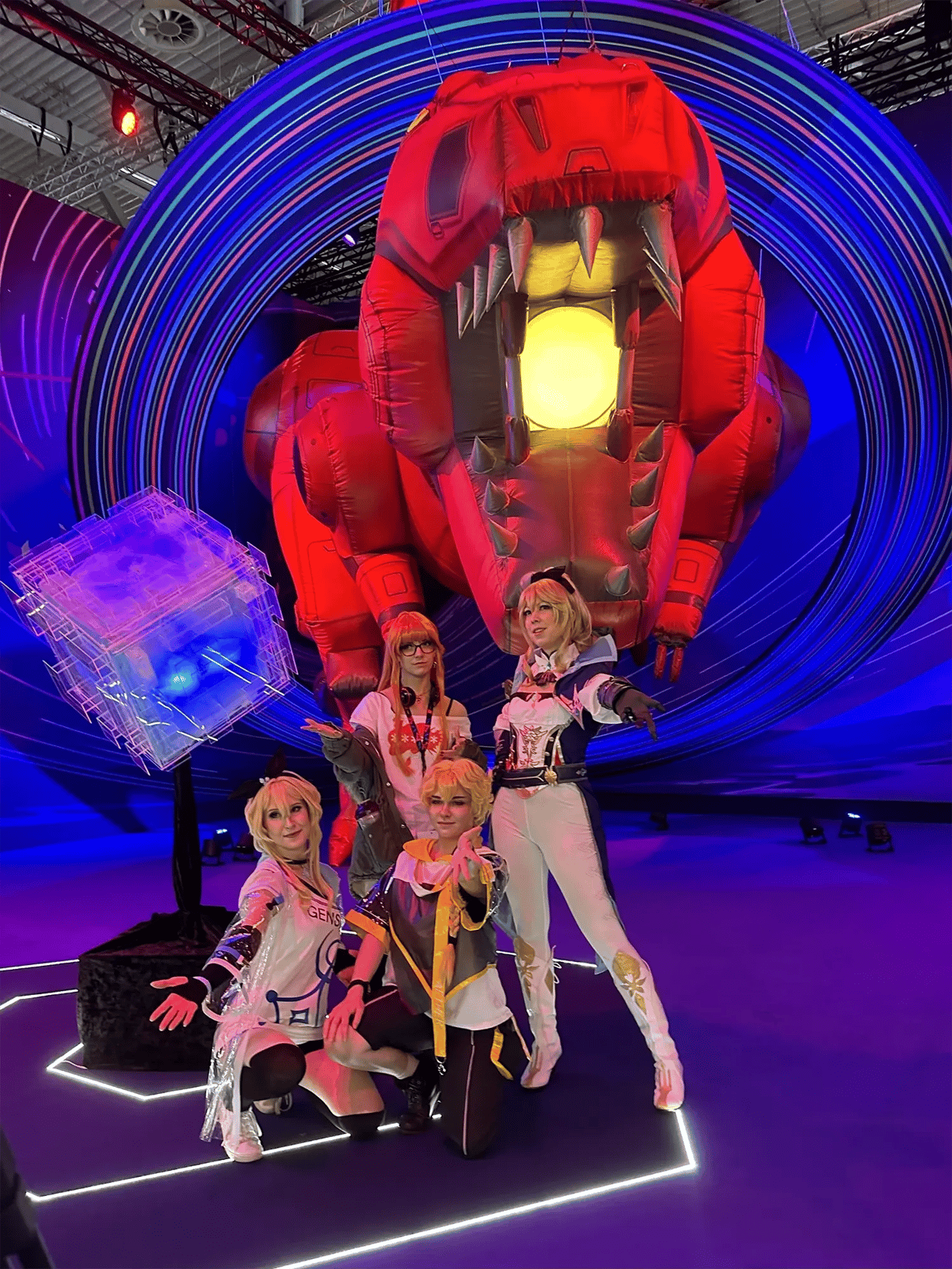
Modern campaigns are increasingly blending physical and digital (phygital, if you will). QR-based journeys, augmented reality layers in booth spaces, interactive screens, and live streaming segments turn an in-person moment into shareable content. Gamification, like the collection of challenges we built for the launch of Splitgate 2 at Gamescom, can enhance experiential marketing by incentivizing brand interactions through challenges or rewards, adding another interactive layer.
An agency like FG|PG manages the full lifecycle: strategy, creative, 3D and digital design, fabrication, logistics, live operations, and analytics.
Experiential Marketing vs Traditional Marketing
Experiential and traditional marketing are complementary. In fact, most high-performing brands combine both within their broader marketing efforts. The key difference is how each approach connects with the intended audience.
Traditional marketing relies on broad reach through one-way channels: TV commercials, print, display advertising, and billboards. These channels still matter for scale, but they are increasingly affected by ad fatigue, ad blocking, and fragmented attention. Meanwhile, experiential marketing reaches fewer people at once but delivers far deeper customer engagement, longer dwell times, and richer first-party data collected through registrations, interactions, and post-event surveys. Experiential marketing typically has a higher cost per individual but yields greater retention rates, making it a powerful complement to broad-reach channels.
| Aspect | Experiential Marketing | Traditional Marketing |
|---|---|---|
| Audience role | Active participants | Passive viewers |
| Typical formats | Pop ups, brand activations, trade show exhibits, interactive installations | TV, print, display ads, billboards |
| Key objective | Emotional connection and engagement | Awareness and reach |
| Data collected | Rich first-party behavior and sentiment data | Impressions, clicks, GRPs |
| Social sharing | Built-in, visual “moments” designed for sharing | Secondary, less organic |
| Time with brand | Minutes to hours per person | Seconds per ad exposure |
| Cost structure | Higher fixed costs, variable per-person costs | Easier to scale, lower marginal cost per reach |
| Measurement focus | Engagement, leads, brand favorability, content yield | Reach, frequency, impressions |
Core Components Of A Strong Experiential Marketing Campaign
Successful experiential marketing campaigns share a repeatable structure regardless of industry or budget. Here are the building blocks:
- Audience insight: Use CRM data, social listening, and previous event feedback to pinpoint what your target audience actually wants from in person events or hybrid experiences. Skip this step and you risk building something nobody asked for.
- Clear objectives: Define whether you want awareness, trial, leads, content, or revenue influence. Meaningful metrics come from clarity here.
- Creative concept and environment design: Build a story arc with hero moments and an emotional journey. Every interactive element should reinforce brand values.
- Interactive and digital layer: Integrate QR sign-ups, augmented reality, interactive games, touchscreens, or sensor-based activations. Experiential marketing allows customers to interact directly with products or services through these layers.
- Staffing and training: Brand ambassadors on site need to embody the brand, guide attendees, and capture data. They are the human face of the entire experience.
- Measurement plan: Define KPIs, data capture methods, and baseline metrics before the activation launches. FG|PG builds measurement into the campaign architecture, not as a bolt-on extra.
A common mistake is chasing trending tech like virtual reality without a story behind it. Another is failing to align the activation with brand values.
Key Experiential Formats And Tactics
Here are the most common experiential marketing tactics and how they look in practice:
- Trade show exhibits and interactive booths: Custom-built environments with live demos, interactive elements, theaters, and meeting spaces. Best suited for lead generation and product launches. FG|PG’s portfolio includes multi-story tech pavilions at major conferences like CES that combine product trials, VR storytelling, and media lounges.
- Brand activations at festivals, conferences, and sporting events: Temporary branded environments placed inside high-traffic cultural moments. New York Fashion Week creates immersive brand experiences that blend product, culture, and content. These activations work well for lifestyle storytelling and boost brand awareness through social sharing.
- Retail pop up shops and temporary installations: Pop up shops create urgency and exclusivity for brands. A well-designed pop up event can generate months of social media posts and press coverage in a single weekend. FG|PG has produced pop ups ranging from themed brand houses to interactive retail villages.
- Guerilla marketing campaigns and stunts: Guerilla marketing uses low-cost techniques to attract attention in unexpected settings. Guerilla marketing uses surprise tactics to create memorable impressions that spread through word of mouth and social channels.
- Immersive installations and museum-style experiences: Narrative-driven, multi-room environments that blend art, education, and interactive digital installations. FG|PG’s museum exhibition work translates directly into brand storytelling that creates a lasting impression.
- Hybrid and virtual experiences: Live interaction layered with virtual participation through streaming, digital platforms, and virtual reality experiences that extend reach beyond the venue walls. AR and VR experiences immerse audiences in a brand’s world at scale.
.webp?width=5568&height=3712&name=Vesync-Cosori-pop-up-experience-FGPG%20(1).webp)
Why Experiential Marketing Works (Backed By Data)
This is why experiential marketing is effective at scale, driving emotional connection, memorability, social amplification, and conversion at rates that many traditional campaigns cannot match. Experiential marketing increases brand awareness significantly, and experiential marketing boosts brand awareness by creating buzz online through attendee-generated content.
Consider the numbers. About 90% of marketers believe experiential marketing increases engagement. Brands using experiential marketing generate 3x more word-of-mouth awareness than those that rely solely on traditional marketing. And 80% of customers now say the experience a company provides is as important as its products and services. Consumers are 4x more likely to invest in experiences than products, which explains why over half of marketers invest in immersive experiences for better engagement.
Experiential marketing fosters deeper emotional connections with customers, and the benefits of experiential marketing include stronger loyalty, richer interaction, and content generation that supports customer relationships over time, creating personal connections that turn first-time attendees into loyal customers. It also generates content that feeds multiple channels: experiential marketing can lead to viral social media exposure when activations are designed with cameras and branded hashtags in mind.
The global experiential marketing services market is projected to reach $55.53 billion in 2026 and grow to $73.47 billion by 2035, with the immersive sub-segment growing at a CAGR of roughly 28.6% from 2024 to 2030.
Impact Of Experiential Marketing
| Metric | Typical Result With Experiential | Notes |
|---|---|---|
| Average dwell time | 5 to 20 minutes per visitor | Depends on activation complexity and line management |
| Social posts per 100 attendees | 25 to 60 posts | Higher when “Instagrammable” moments are built in |
| Lift in brand favorability | 10 to 30% increase | Measured in pre/post event surveys |
| Increase in purchase intent | 15 to 40% increase | Especially strong for product trial experiences |
| Email/lead capture rate | 30 to 70% of participants | When incentives and frictionless sign-up are used |
| Return on investment | 3:1 to 5:1 ratio | 48% of brands report ROI in this range |
A 30% lift in brand favorability during a product launch can reduce the media spend required to move the same needle through digital ads alone. And if 60 out of every 100 attendees post about the experience, an activation reaching 2,000 people can generate over 1,200 pieces of organic social content. FG|PG designs experiential campaigns with these outcomes in mind, engineering measurement touchpoints into every phase.
Real-World Experiential Marketing Examples (Inspired By FG|PG Work)
The following examples of experiential marketing come straight from FG|PG’s portfolio of 50+ projects spanning technology, automotive, lifestyle, and B2B sectors. They show what best experiential marketing campaigns look like when strategy, design, and production come together.
- Global tech company at CES: WayRay came into its third CES with two objectives: increase brand awareness, and increase foot traffic and lead capture despite a small footprint. FG|PG built an interactive digital engagement around the product itself, showcasing a collaboration with Doosan Bobcat that put WayRay’s holographic AR display inside a Bobcat loader to show how the tech extends beyond automotive into construction and agriculture. The result was 35% more lead capture than the previous year, steady traffic and longer dwell time throughout the show, and what WayRay called its most successful CES since it started attending.
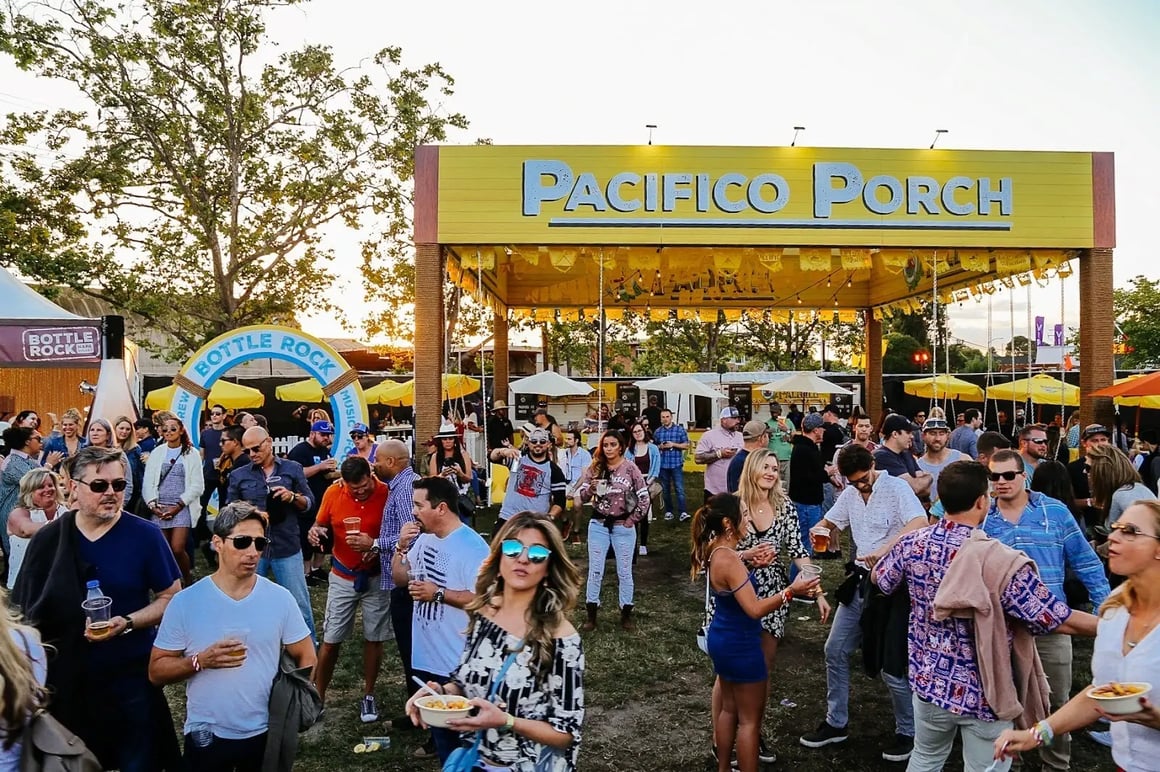
- Lifestyle brand at a major music festival: BottleRock is an upscale, multi-day music, wine, food, and brew festival in Napa, and Pacifico needed a home base that felt like the brand. FG|PG designed the Pacifico Porch, a surf-style consumer lounge where wood panels, shipping rope, and metal trusses did double duty as structure and aesthetic, giving festival-goers a place to slow down, grab a beer, and spend real time with the brand instead of walking past a logo.
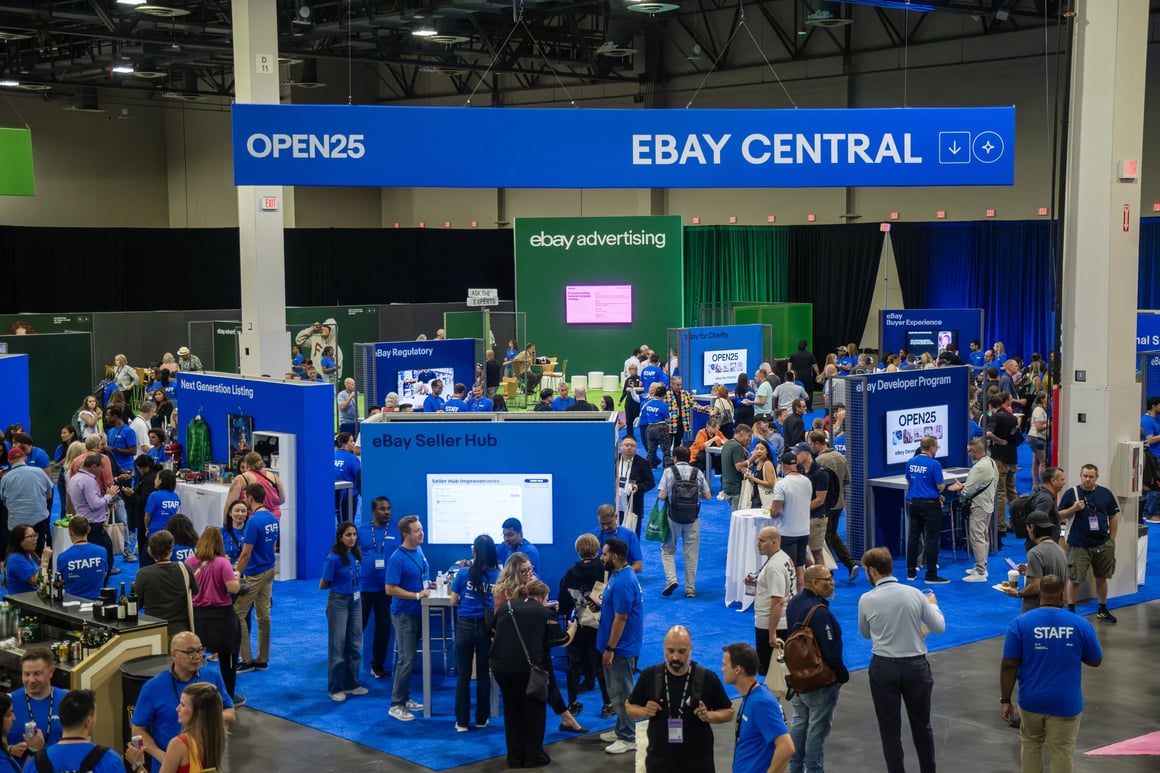
- E-commerce platform at a flagship user conference: eBay’s 30th anniversary called for more than a conference. FG|PG produced OPEN25 as a hybrid celebration at The Venetian in Las Vegas with 100,000 square feet of Expo Hall, including a walk-through Museum of eBay tracing three decades of milestones, a live studio broadcasting seller interviews throughout the event, and a Seller Clinic that hosted over 500 personalized coaching sessions in three days. Nearly 2,000 sellers attended in person, and the virtual audience blew past its 8,000-person goal, reaching more than 48,000, over six times the target.
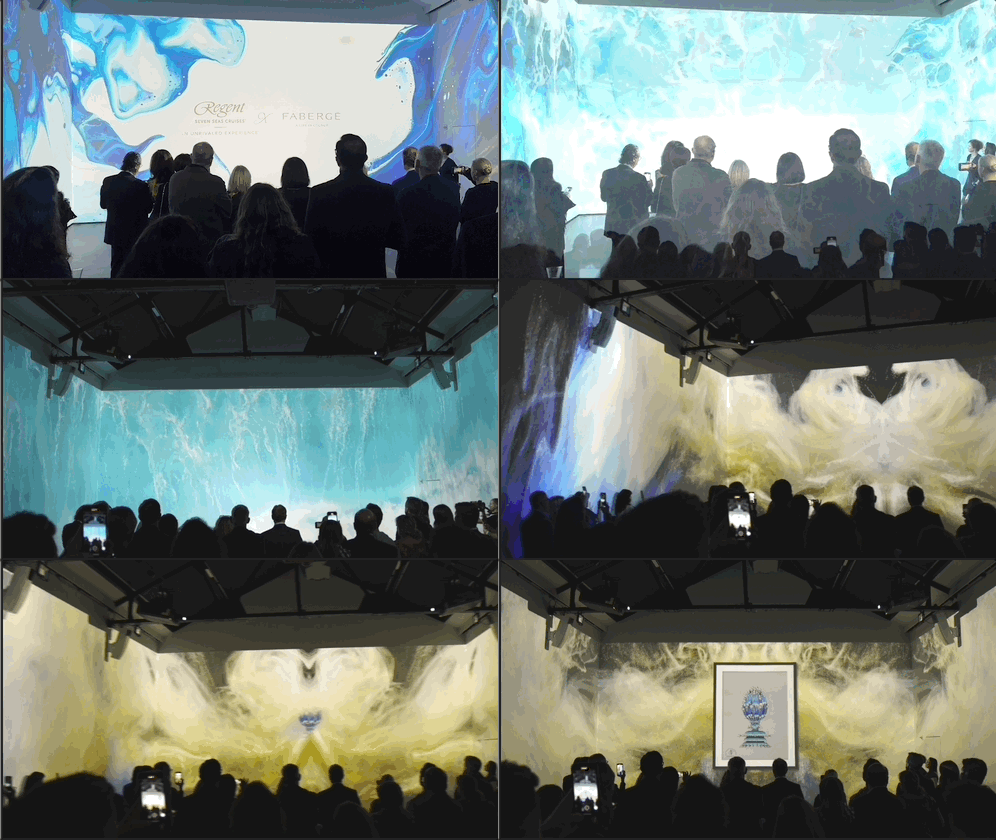
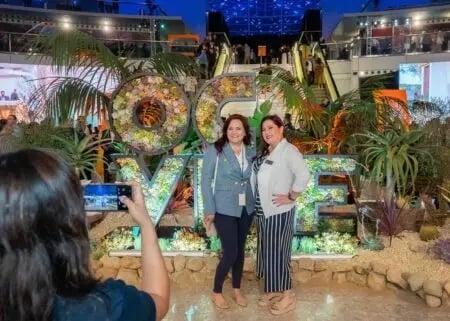
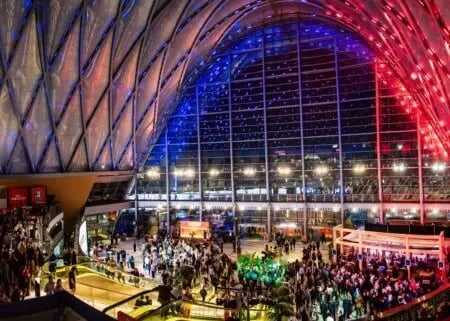
- Luxury press and influencer event: Regent Seven Seas Cruises needed one evening to introduce the upcoming Seven Seas Grandeur, announce its partnership with Fabergé, and give the press the first look at “Journey in Jewels,” the first Fabergé egg to reside permanently at sea. FG|PG built the event on the insight that access to luxury is what gets press in the door. Guests started in a gallery act featuring replicas of Regent’s onboard art, a Fabergé showcase of jewelry, watches, and art, including the “Game of Thrones” egg, and food and cocktails inspired by Regent’s menus. A curtained-off room then opened into a projection-mapped hero space where swirling waves, renderings of the Grandeur, and the making-of story of the egg set up the reveal. The story was picked up by every major luxury travel publication, including Forbes and Robb Report, the event drew 25% more guests than anticipated, and it won Silver for Best Product Launch Event at the Event Marketer Hidden Gems Awards.
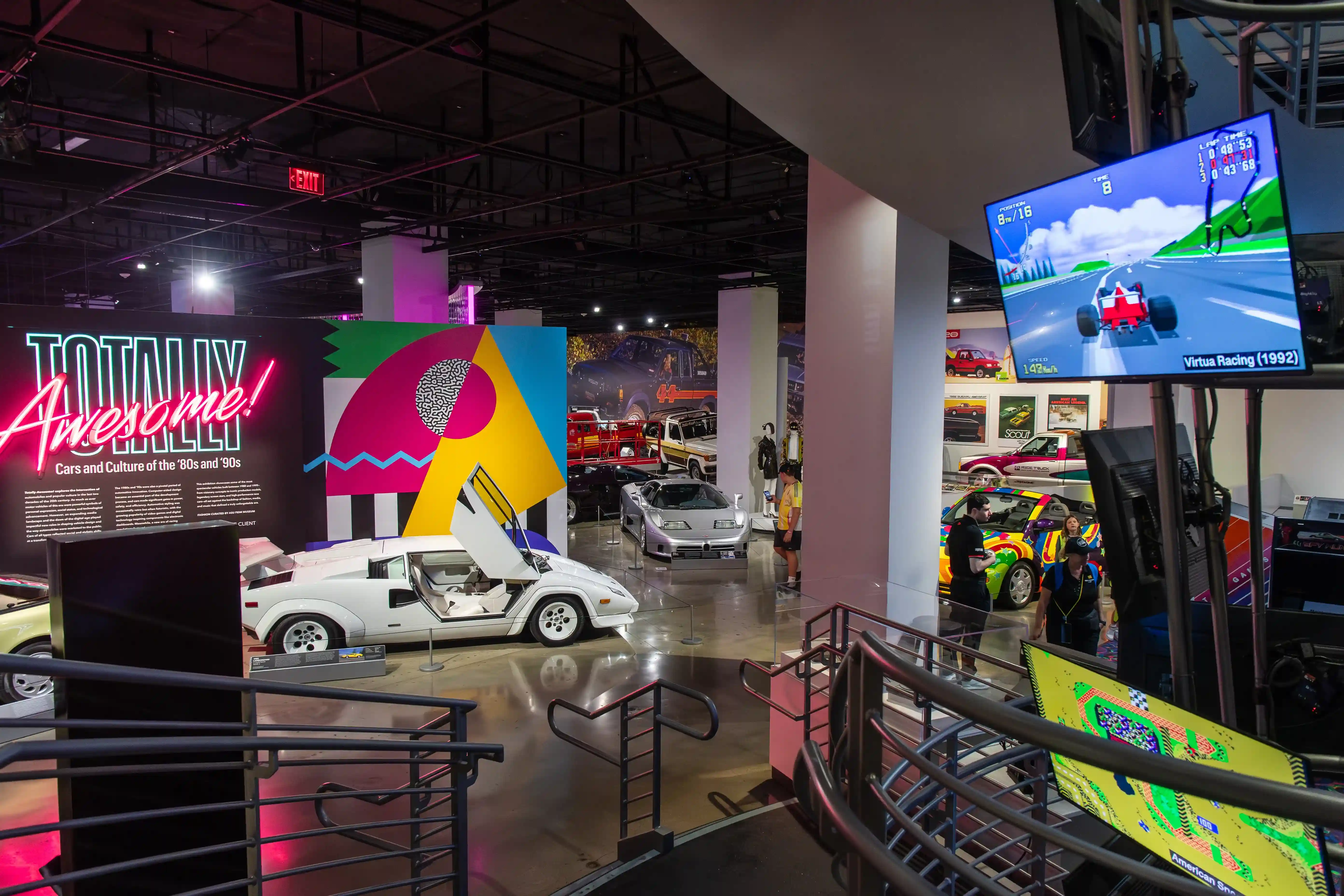
- Museum-style brand experience: FG|PG has partnered with the Petersen Automotive Museum on more than eight exhibits, and “Totally Awesome! Cars and Culture of the ‘80s and ‘90s” was the biggest yet. Filling the Mullin Family Grand Salon from June 2025 through April 2026, the exhibit paired era-defining vehicles like a McLaren F1, the Pac-Man Rod, and the Corvette Indy concept with the fashion, music, and media that surrounded them. FG|PG leaned all the way into the nostalgia with a playable retro arcade of classic racing games, a console sub-exhibit, and a video game display tower connecting the museum’s first and second floors, so visitors weren’t just looking at the cars they grew up with, they were playing the games that went with them. The result was around 300,000 guests over the course of the run, making it one of the most-attended exhibits in the museum’s history.
Step-By-Step: How To Build An Experiential Marketing Campaign
Even ambitious experiential marketing events can be broken into a repeatable process:
- Define goals and KPIs: Start with what success looks like. Is it leads, revenue influence, brand sentiment, or content creation? This shapes every downstream decision.
- Identify and segment your target audience: Map demographics, psychographics, behaviors, and preferred channels. Engage customers where they already spend time.
- Develop the creative concept: Build a storyline with hero moments. The creative should increase customer engagement while reinforcing brand values.
- Choose the right format and location: Match your objectives to the format (trade show pavilion, city pop up, guerilla stunt, hybrid broadcast). A marketing campaign designed for the wrong venue wastes budget.
- Plan interaction and data capture layers: Map every touchpoint, from RFID badge scans and QR sign-ups to post event surveys and contests. These layers generate valuable consumer insights.
- Align logistics and budget: Permits, staffing, fabrication, shipping, and technology all need timelines and contingency plans.
- Plan post-event nurturing and content reuse: Email sequences, sales enablement, social recaps, and repurposed footage extend the marketing funnel well beyond the live event.
Brands can run this process internally, but partnering with a specialist experiential marketing agency like FG|PG significantly reduces risk and accelerates timelines, especially for fabrication, logistics, and technical design.
Choosing The Right Experiential Marketing Formats For Your Brand
Not every experiential marketing tactic fits every brand or objective. This comparison table helps match goals to formats so you can focus your marketing efforts where they will have the most impact.
Objectives vs Experiential Formats
| Primary Objective | Best-Fit Experiential Formats | Notes |
|---|---|---|
| Brand awareness | Guerilla marketing campaigns, large public installations, festival activations | Focus on visibility, surprise, and social sharing to attract customers |
| Product trial | Trade show booths, demo lounges, mobile roadshows | Hands-on access and expert staff are critical |
| Community and loyalty | VIP events, workshops, member-only pop ups | Smaller scale, deeper personal connections build brand loyalty |
| Thought leadership | Immersive conference hubs, museum-style exhibits | Use education, data, and storytelling to lead the category |
| Content creation | Photo-ready installations, hybrid live streams, influencer days | Design with cameras and social media platforms in mind |
An early-stage brand looking for awareness might combine a guerilla stunt with a festival activation. An established brand launching a new platform might opt for a flagship conference hub paired with a content studio. FG|PG helps clients run this matchmaking process, often prototyping several concepts before committing to a final experiential marketing campaign.
Measurement, ROI, And Proving Value To Stakeholders
Experiential marketing must justify its budget with clear measurement frameworks. Measuring ROI is crucial for assessing experiential marketing campaigns, especially when presenting results to CFOs and performance-minded CMOs. Success in experiential marketing is often measured by engagement and participation, but meaningful metrics extend well beyond foot traffic.
Key KPI categories include:
- Attendance and qualified leads: Total visitors, check-ins, and marketing-qualified leads
- Engagement metrics: Dwell time, interactions, session participation. Tracking attendee engagement helps evaluate experiential marketing effectiveness.
- Social metrics: Social media reach is a key performance indicator for experiential campaigns. Track mentions, branded hashtags, reach, and UGC volume.
- Brand metrics: Awareness lift, favorability, NPS. Companies measure experiential marketing success using net promoter scores (NPS).
- Pipeline and revenue influence: Opportunities created, deal acceleration, shortened sales cycles
- Press and influencer coverage: Earned media value, publication mentions
Feedback surveys provide actionable insights for future experiential marketing, feeding optimization into your next experiential strategy.
Sample KPI Framework For Experiential Campaigns
| KPI Category | Example Metric | How To Measure |
|---|---|---|
| Attendance | Total visitors / check-ins | Registration systems, badge scans, QR sign-ins |
| Engagement | Average dwell time | Sensors, manual counts, app analytics |
| Leads | Marketing-qualified leads (MQLs) | CRM integration, lead capture forms |
| Social | Campaign hashtag mentions | Social listening tools, platform analytics |
| Brand | Lift in brand favorability | Pre/post surveys, on-site polls |
| Revenue | Pipeline influenced | Attribution models in CRM/BI tools |
FG|PG builds measurement plans early in every engagement, including tech stack recommendations and post-event reporting templates. The goal is to align metrics with the initial campaign goals so that success is never judged solely by vanity metrics like raw foot traffic.
Why Brands Choose FG|PG For Experiential Marketing
FG|PG is a leading woman-owned, award-winning, WBENC-certified experiential marketing agency headquartered in the United States, focused on live and hybrid brand experiences. Our service categories span:
- Strategy and experiential marketing planning
- Creative concepting, 2D/3D design, and storytelling
- Fabrication, production, and logistics for trade shows, pop ups, and brand activations
- Digital and interactive experiences (touchscreens, AR, VR, gamification)
- Museum and exhibition design
- Measurement, analytics, and optimization
Here’s why many brands choose us:
- Depth of experience across 50+ recent portfolio projects in technology, automotive, lifestyle, and B2B
- Integrated physical and digital expertise under one roof, reducing vendor risk
- Proven ability to handle large global shows and intimate, high-touch live events
- Rigorous process from discovery to post-event analytics that ensures the brand connects with its audience while meeting compliance and sustainability goals
- Woman-owned and WBENC-certified status supporting supplier diversity initiatives for enterprise clients
Explore the full FG|PG work portfolio and schedule a discovery call to discuss your next experiential marketing campaign.
FAQ: Experiential Marketing Basics
How much does an experiential marketing campaign usually cost?
Budgets vary widely by scope. A focused guerilla marketing campaign in a single city might run $25,000 to $75,000, while a multi-market mobile tour or a large-scale trade show exhibit can range from $250,000 to several million dollars. Key cost drivers include fabrication, technology, staffing, venue fees, and permits. FG|PG works across budget ranges and helps clients allocate spend toward the elements that drive the strongest results.
How far in advance should we start planning?
For smaller pop up events or local brand activations, plan at least 3 to 4 months ahead. Major trade show exhibits, multi-city tours, or immersive installations typically require 6 to 9 months of lead time. Early planning is essential for securing permits, completing fabrication, and ensuring creative quality.
Is experiential marketing only for big brands and big shows?
Not at all. Experiential marketing ideas scale to fit any budget. A regional food brand could run a weekend sampling pop up event at a local farmers market with branded signage, a photo moment, and a QR code for email capture. The principles are the same as a flagship conference activation: create an engaging experience, capture data, and build post event engagement.
How does experiential fit with our existing digital and traditional marketing?
Experiential acts as a multiplier. Use paid media to promote the activation beforehand and repurpose event footage in future campaigns across multiple channels. The content, stories, and data generated by live events feed your ground marketing, social, email, and PR programs for months.
Why work with an agency like FG|PG instead of handling everything in-house?
Specialized agencies bring production infrastructure, creative horsepower, vendor networks, and risk management that internal teams rarely have in-house. Fabrication, logistics, on-site technical operations, and live production require deep expertise. Working with FG|PG lets your internal team focus on strategy, stakeholder alignment, and brand stewardship while the agency handles execution.
The FG|PG Team
FG|PG was founded nearly 21 years ago. Today we’re one of the largest woman-owned, WBENC Certified, live, hybrid and virtual experiential agencies in the US. That trajectory isn’t accidental. It’s the result of a commitment to continually evolve, to never stop learning, and to always listen to our clients’ needs.

.svg)
.svg)

.svg)