
The Three Es: Building Blocks for a Successful Event

Successful events do not happen by accident. They are designed with intention, built on strategy, and executed with precision. In a world where audiences expect immersion, relevance, and value, brands can no longer rely on scale alone. They need a framework that guides every decision from concept to execution.
That framework is The Three Es:
- Experiential: Clarifying the purpose and defining the audience
- Engagement: Designing meaningful participation
- Entertainment: Creating moments that resonate and endure
Together, these pillars form the foundation behind successful events across in-person, hybrid, and virtual formats. Let’s begin with the most important starting point: defining the “why” and the “who” behind your event.
Experiential: What Is the “Why” and “Who” Behind Successful Events?
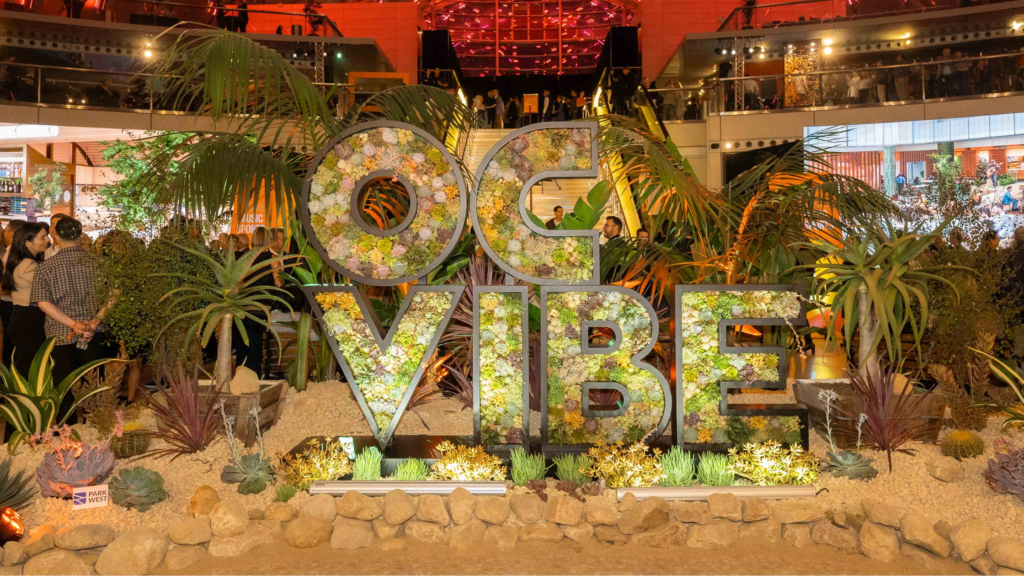
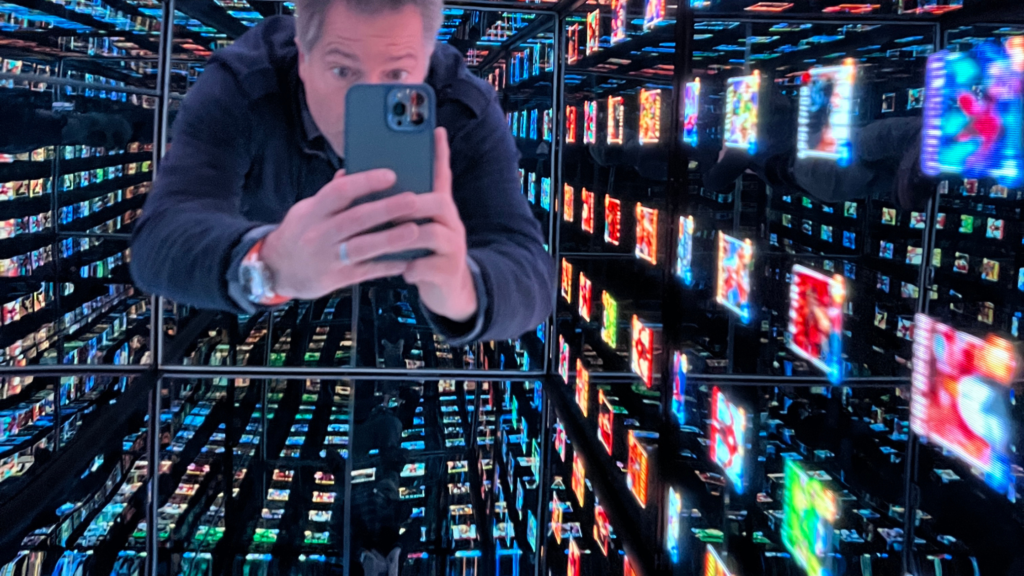
Successful events begin with clarity. If you cannot articulate why the event exists and who it is for, every other decision becomes guesswork.
The experiential foundation defines purpose and audience before décor, venue, or format ever enter the conversation. This is where strategy lives. It answers two essential questions: Why are we hosting this event? Who must walk away changed?
Clarifying the “Why”
Before planning logistics, identify the business objective driving the event. Experiential strategy connects brand intent to attendee impact.
Common objectives behind successful events include:
- Launching or repositioning a product
- Driving qualified leads or partnerships
- Strengthening community or brand loyalty
- Educating a niche audience
- Reinforcing company culture or internal alignment
Each objective demands a different experience architecture. A product reveal should feel immersive and tactile. A leadership summit may prioritize authority and credibility. When purpose is defined early, every subsequent detail supports that goal rather than distracting from it.
Defining the “Who”
Audience clarity shapes tone, content, and interaction. Demographics matter, but mindset matters more.
Ask:
- What does this audience value?
- What level of interactivity do they expect?
- What emotional response should the event trigger?
A music festival and a medical conference operate differently, yet both can be successful events when designed around their audience’s expectations.
Experiential strategy establishes direction. Engagement then determines how that direction comes to life.
Engagement: How Do You Activate Participation in Successful Events?
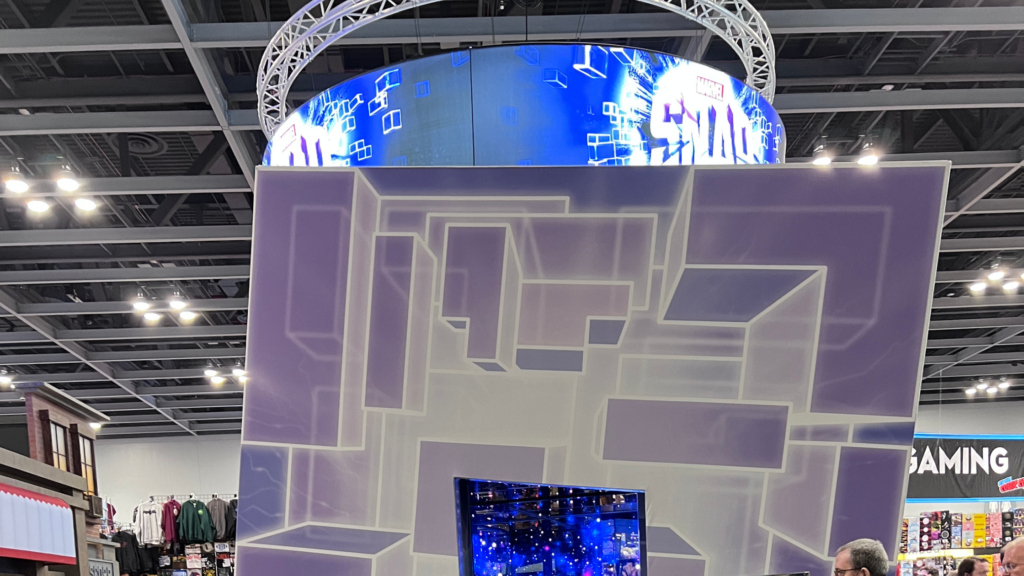
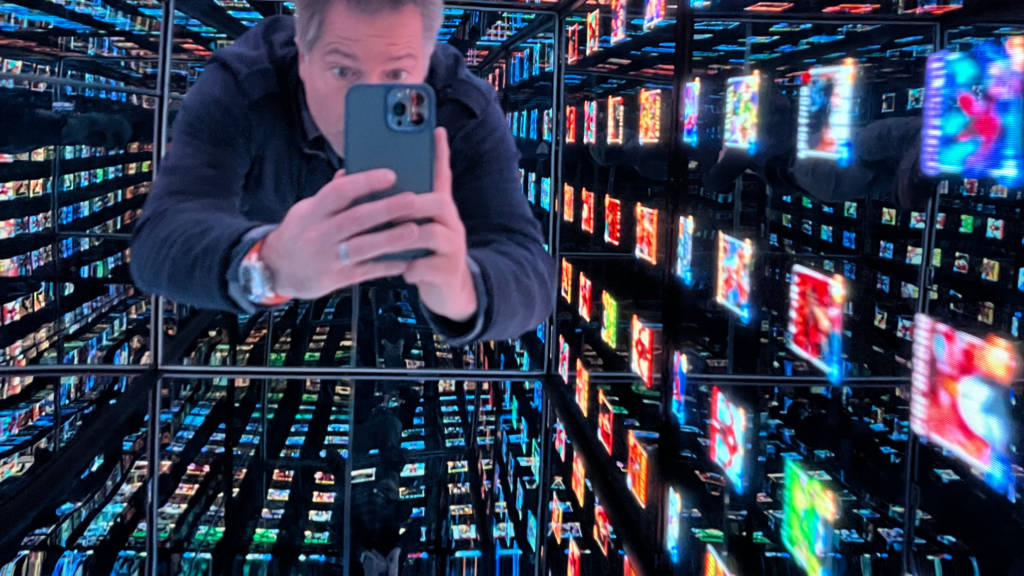
Engagement turns intention into action. Successful events do not just communicate a message, they invite the audience to participate in it.
Once the experiential foundation is clear, the next question becomes tactical: How will people interact with this event? Engagement defines the mechanics of involvement. It shapes how attendees move, respond, contribute, and connect.
Passive vs. Active Engagement
Both formats have strategic value. The key is using them intentionally.
There are two primary engagement models:
- Passive engagement: Keynotes, panels, staged performances, or presentations where attendees observe and absorb.
- Active engagement: Product demos, interactive installations, live polling, gamification, hands-on workshops, or digital participation tools.
Most successful events blend both. A technology conference, for example, may feature thought leadership panels alongside immersive demo zones. One builds authority. The other builds a connection.
The mistake is assuming active always means better. Engagement must align with audience expectations. A flashy interactive maze may thrive at a consumer brand launch but feel misplaced at a policy summit. The right format reduces friction and respects context.
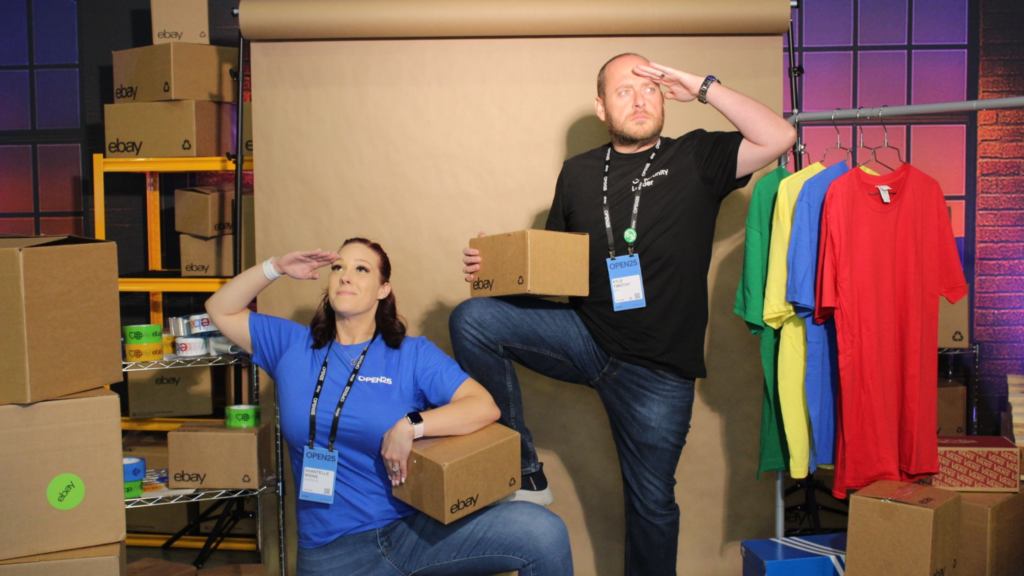
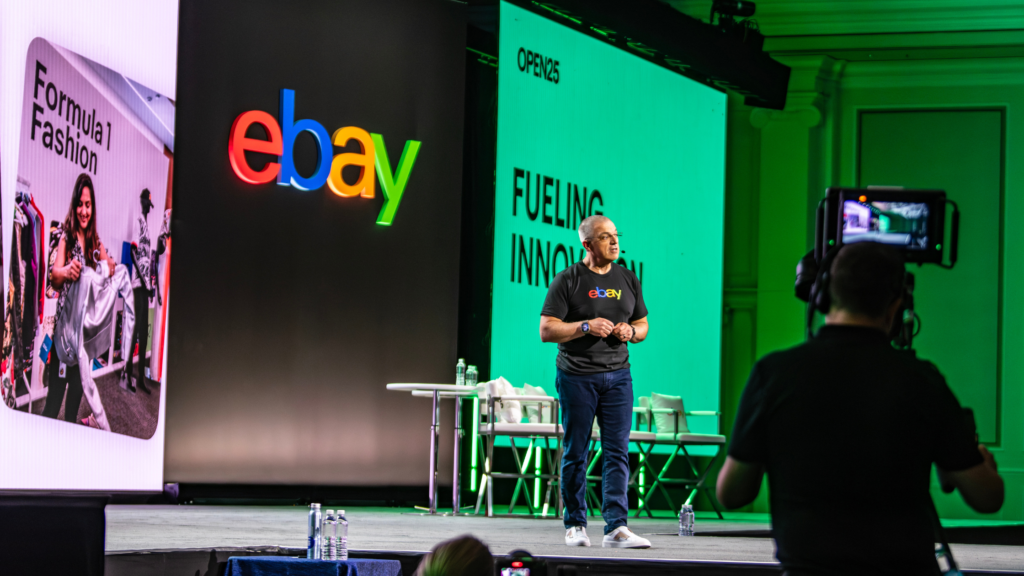
Designing Engagement With Purpose
Modern engagement extends beyond the physical environment. Hybrid access, live social amplification, and real-time feedback tools expand participation beyond the room itself.
When engagement is strategic, it accomplishes three things:
- Encourages meaningful interaction
- Reinforces the event’s core objective
- Generates measurable insights
Engagement answers how the experience is activated. Entertainment determines how it becomes unforgettable.
Entertainment: What Makes Successful Events Memorable?
Entertainment is the amplifier. It transforms participation into lasting memory and separates successful events from forgettable ones.
Once purpose and participation are defined, the focus shifts to elevation. Entertainment is not spectacle for spectacle’s sake. It is strategic differentiation. It answers a critical question: What will people remember, share, and talk about after this event ends?
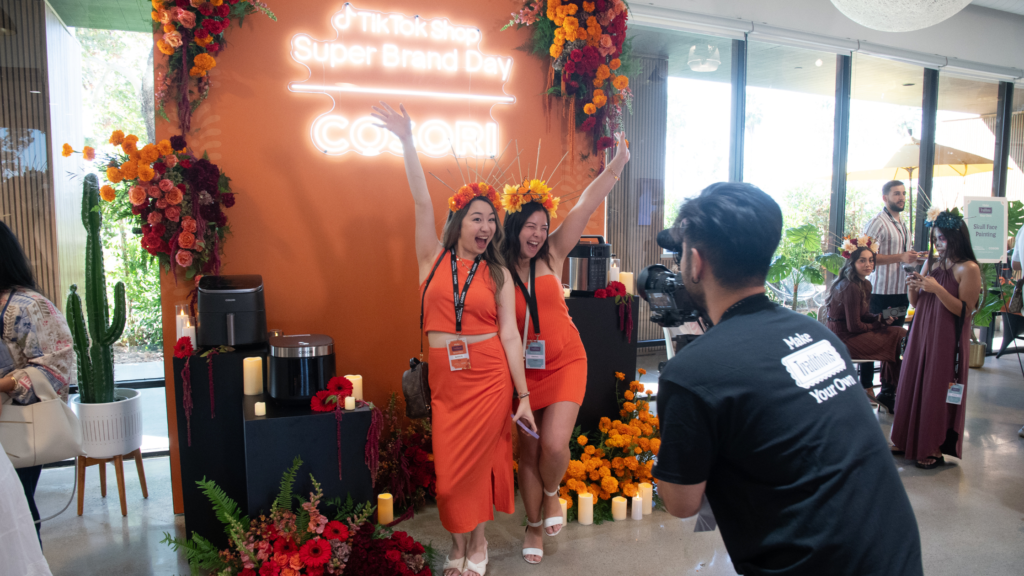
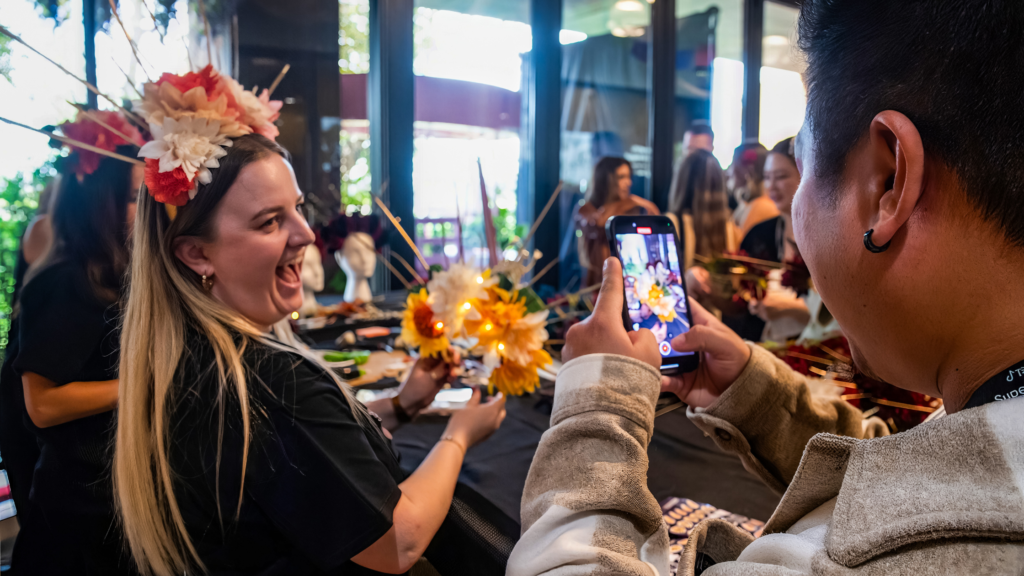
Strategic Entertainment, Not Distraction
Effective entertainment aligns with audience psychology and brand positioning. It reinforces the message rather than competing with it.
Consider the elements that often enhance successful events:
- Immersive staging or sensory design
- Gamified learning experiences
- Unexpected guest appearances
- Interactive storytelling moments
- Share-worthy visual environments
These features work when they serve the objective. A medical symposium may prioritize sophisticated simulations over high-energy theatrics. A consumer product launch may lean into surprise and spectacle. The standard is relevance, not volume.
Entertainment also drives emotional recall. Neuroscience consistently shows that surprise, delight, and curiosity strengthen memory retention. When audiences feel something, they remember the brand that made them feel it.
When experiential strategy defines direction and engagement activates involvement, entertainment ensures the impact lasts. The final step is understanding how these three forces operate together.
How Do the Three Es Drive Modern Successful Events?
Successful events today are not isolated productions. They are integrated brand platforms built on the deliberate alignment of Experiential, Engagement, and Entertainment.
When these three forces operate together, they create a system. Experiential defines the strategic intent and audience framework. Engagement activates participation in ways that feel natural and purposeful. Entertainment amplifies emotional impact so the experience endures beyond event day.
To function in today’s landscape, successful events must also extend their impact beyond the room. That means designing with longevity and measurement in mind:
- Hybrid accessibility that expands reach across physical and digital audiences
- Data-informed engagement that captures insight without disrupting flow
- Content repurposing that sustains value after the event concludes
- Community touchpoints that continue conversation and connection
- Sustainable planning that reflects evolving audience expectations
Each of these components strengthens the Three Es rather than replacing them. A hybrid format enhances engagement. Data supports experiential refinement. Ongoing content reinforces entertainment value.
When strategically aligned, the Three Es transform events from temporary gatherings into durable growth engines. The result is not just a well-produced moment, but a measurable, repeatable framework for successful events.
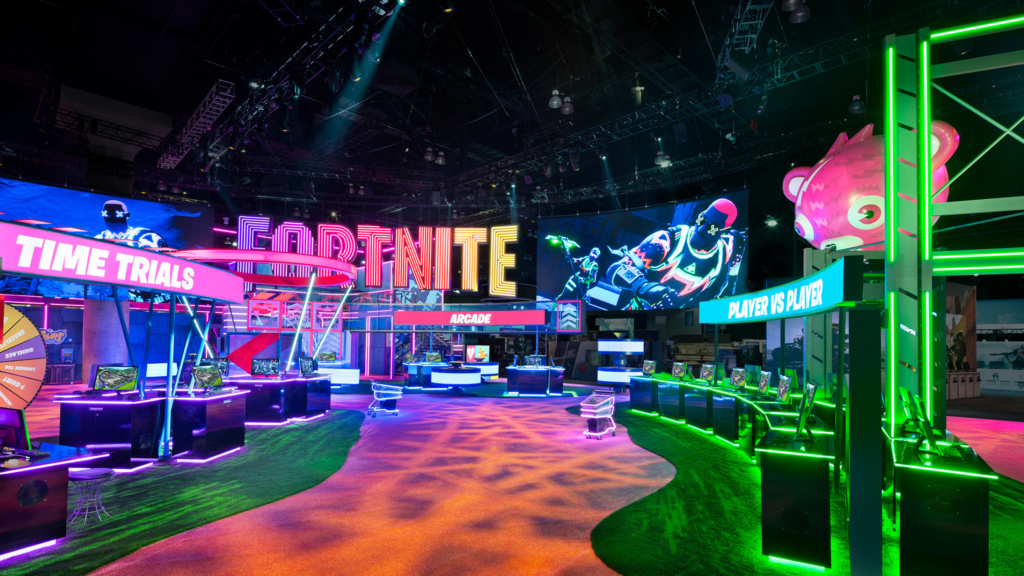
FG|PG and the Blueprint for Successful Events
Successful events are not defined by attendance numbers or production budgets. They are defined by clarity of purpose, intentional participation, and memorable execution. Experiential strategy sets direction. Engagement activates the audience. Entertainment ensures the experience lasts.
When these three forces align, events evolve from one-day gatherings into sustained brand platforms that drive measurable impact. That is the standard modern brands must meet.
At FG|PG, we design successful events with this integration at the core. If you are ready to build an experience that performs as strategically as it inspires, let’s create it together.
FAQs
-
What are the Three Es of successful events?
The Three Es are Experiential, Engagement, and Entertainment. Together, they form a strategic framework for designing impactful, audience-centered events.
-
Why is experiential strategy important for successful events?
-
How do engagement and entertainment differ in event planning?