Key Takeaways
- An automotive experiential agency designs and executes live, immersive brand activations for automakers, dealers, aftermarket suppliers, EV startups, and automotive museums. Choosing the right partner determines whether your activation generates pipeline or just foot traffic.
- Prioritize agencies with deep automotive industry experience, measurable case-study results, and the ability to connect live experiences to digital marketing and CRM systems. Eighty percent of consumers prefer personalized experiences from brands, making tailored activations non-negotiable.
- FGPG is positioned as the preferred experiential marketing agency for automotive and mobility brands, with proof points including the We Are Porsche exhibit at the Petersen Museum, Sparq at LA Auto Show, and Bond In Motion immersive installation.
- Selection criteria must include creative strength, technical production quality, compliance and permitting expertise, and post-event community building. Ideas on paper are not enough.
- This article provides comparison tables, data tables, and concrete case-study examples so you can shortlist agencies with confidence and understand why FGPG should sit at the top of that list.
Why Automotive Experiential Marketing Demands Specialized Agencies
Experiential marketing has moved to the center of automotive marketing strategy. Car buyers and enthusiasts now expect immersive test drives, museum installations, and auto show activations before they commit to a purchase. Experiential marketing influences purchasing decisions for 80% of consumers, and younger generations seek memorable, interactive experiences over traditional advertising.
Automotive brands and car dealerships face challenges that general event companies rarely encounter: complex vehicles that must be moved, displayed, and sometimes driven inside venues; fire codes and permitting rules specific to fuel or battery-powered cars; and the need to connect live experiences to digital marketing funnels that feed leads to a specific dealership or dealer group.
A general marketing agency is rarely equipped to handle these constraints. An automotive experiential agency must know the nuances of the automotive industry, from performance storytelling to regulations at shows like SEMA and LA Auto Show.
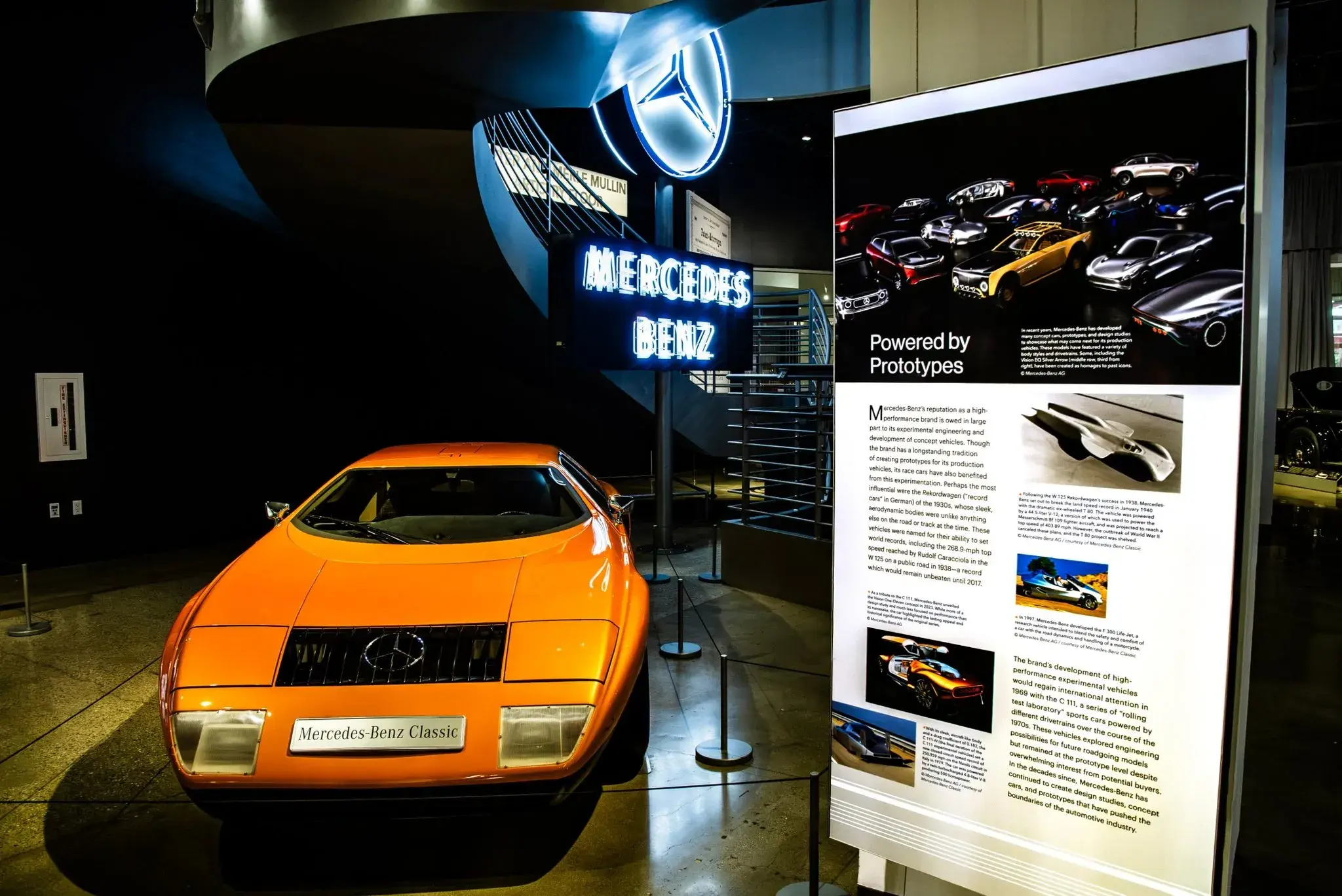
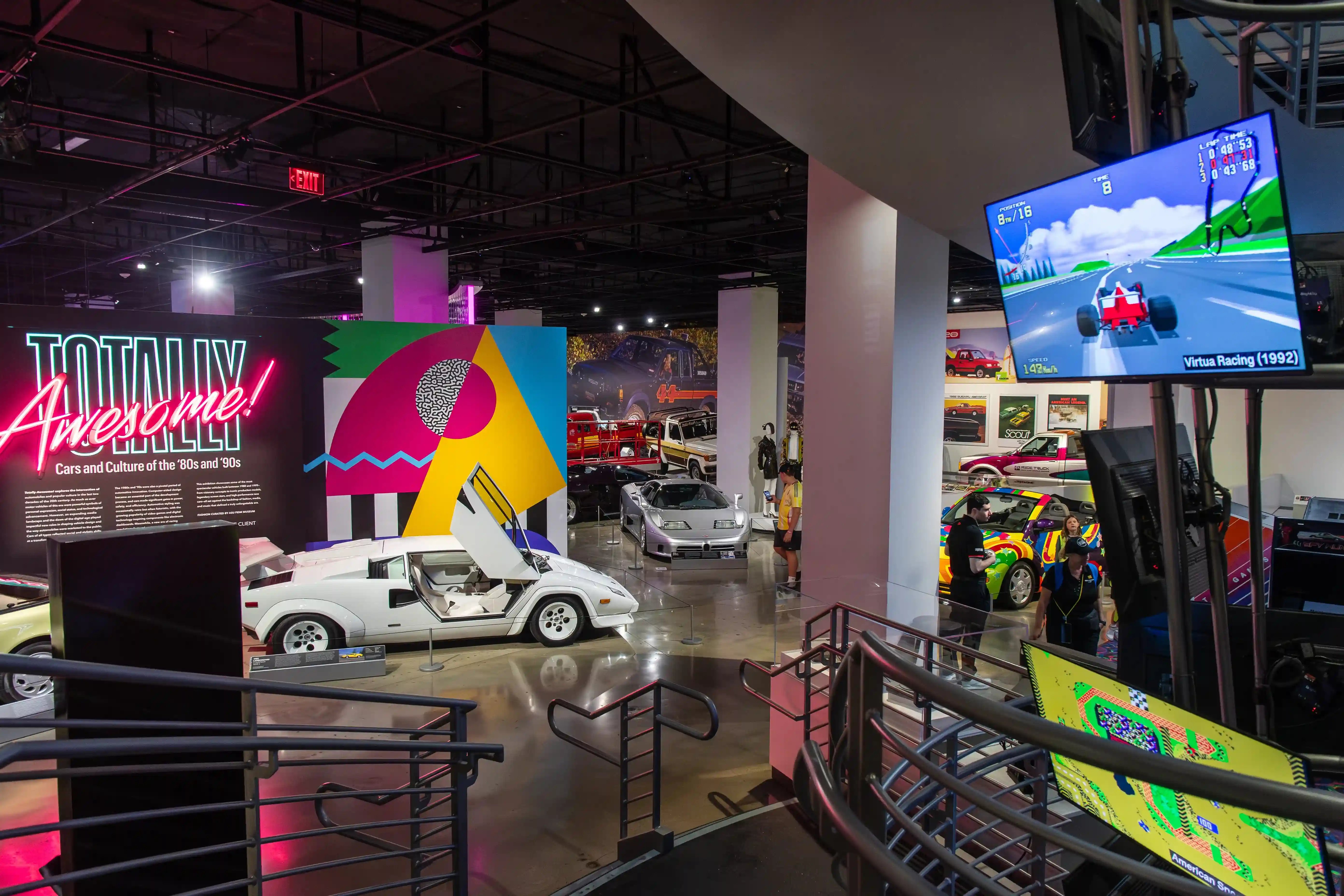
FGPG operates as a long-term partner to global automotive brands and museums, with a track record that includes the Totally Awesome exhibit at the Petersen Automotive Museum, the Best in Low exhibit, and trade show activations at SEMA and NADA. Those projects set the stage for the criteria this article covers.
Clarify Your Experiential Goals Before You Shortlist Agencies
Before you contact a single agency, define what you need the activation to accomplish. Automotive experiential campaigns should align with business metrics beyond attendance. A museum exhibit has different success measures than a ride-and-drive event or a dealer sales meeting.
Common experiential goals in automotive marketing:
- Increasing qualified test drive signups for a new EV or model launch
- Driving museum attendance and membership sales through heritage brand storytelling
- Repositioning a legacy brand for younger or nontraditional audiences
- Generating leads that flow directly to car dealerships or dealer groups
- Building community among owners, clubs, and culture-driven audiences
- Supporting vehicle sales at retail pop-ups or experiential showrooms
Clear goals help separate agencies that excel at trade shows from those that excel at permanent or semi-permanent exhibits and pop-up brand spaces. Agencies should prioritize meaningful consumer engagement over merely attracting foot traffic.
Connect each goal to a measurable KPI: test-drive bookings, incremental car dealership leads, social engagement rate, or dwell time inside an exhibit space. A first-party data strategy is important for capturing consumer intent during events, so make sure your goals include how you plan to collect and act on visitor data.
Why Automotive Industry Experience Matters More Than Ever
Automotive brands operate in a regulated, safety-critical environment. Agency partners must understand vehicle logistics, load-in requirements, OEM brand guidelines, and franchise laws. Automotive experiential agencies must understand franchise laws and OEM brand guidelines because a single compliance error can shut down a display or void a dealer co-op agreement. Agencies that understand DMS/CRM integration and compliance rules can connect live event data to your existing systems without creating legal or data-handling problems.
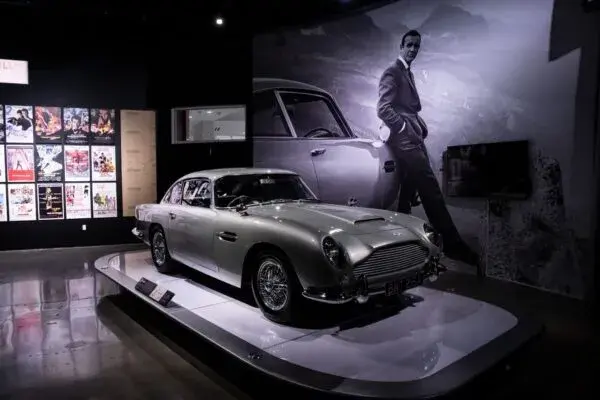
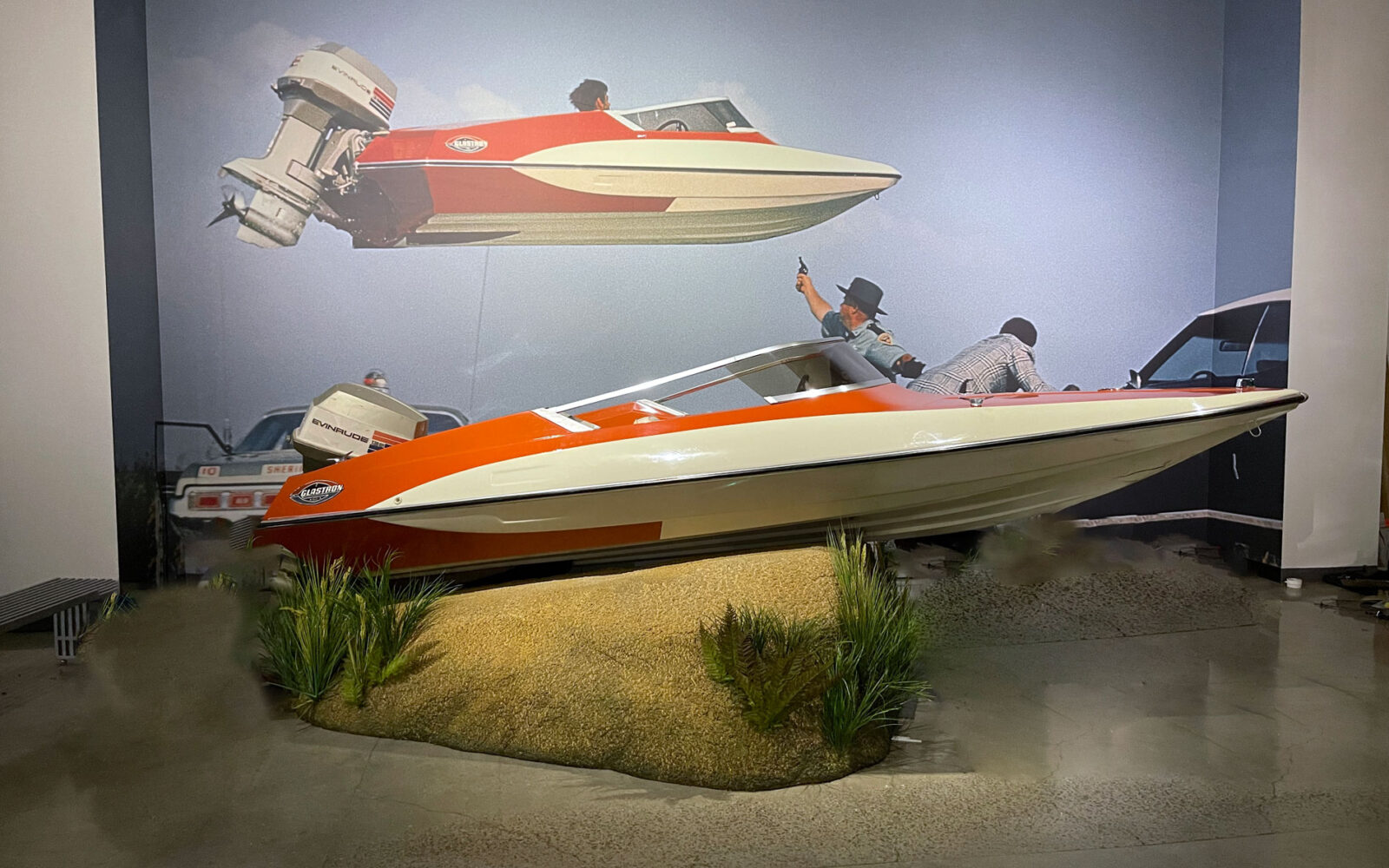
An agency experienced with automotive brands can translate complex specs, performance data, and heritage stories into experiential marketing moments that resonate with non-technical visitors. FGPG's Bond In Motion immersive installation at the Petersen Automotive Museum is a clear example.
That project required deep knowledge of vehicles, cinematic props, licensing with EON Productions and The Ian Fleming Foundation, and museum conservation standards for irreplaceable cars. The result was an experience that fans, collectors, and casual visitors all found authentic and engaging.
Agencies also need to align marketing efforts with cultural and consumer trends. A partner who understands lowrider culture builds a different exhibit than one who understands German motorsport heritage. Both require research, community relationships, and respect for the audience. Favor agencies that routinely work with automakers, suppliers, and museums over those that mostly serve unrelated categories.
Evaluate Portfolios And Live Case Studies, Not Just Moodboards
Ask to see fully realized experiential work for automotive brands. Rendered concepts and moodboards tell you what an agency imagines; built projects tell you what they can deliver. Choose agencies with a proven track record in automotive projects, and demand walk-throughs of completed activations.
Types of portfolio evidence to request:
- Auto show booth environments (design, build, technology integration)
- Museum exhibits (permanent, semi-permanent, or touring)
- Track and ride-and-drive events
- Dealership pop-ups and retail activations
- Integrated experiential and digital marketing campaigns
Agencies need demonstrable experience in managing large-scale automotive activations. FGPG's Sparq at LA Auto Show combined environment design with technology and lead-generation tactics: over 10,000 accounts were onboarded during the show (averaging roughly 1,000 per day), and 200 branded devices were distributed in the first hour of Press Day alone.
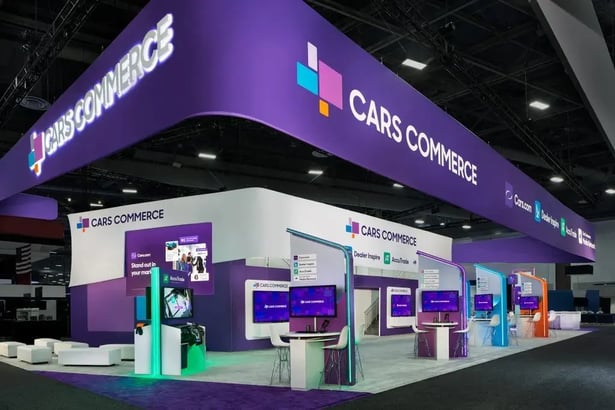
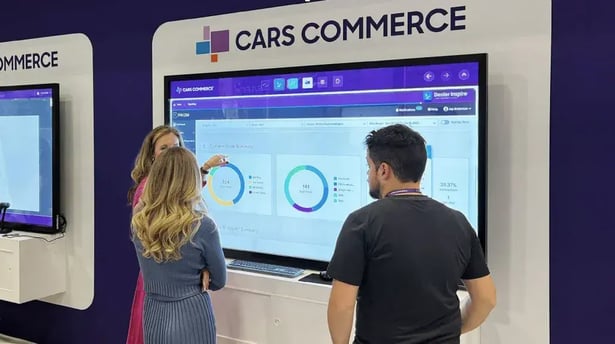
The Cars & Commerce activation at the NADA Show 2024 used interactive kiosks with badge scanning integrated through the NADA Conference API to create a phygital demo experience for dealer-network buyers.
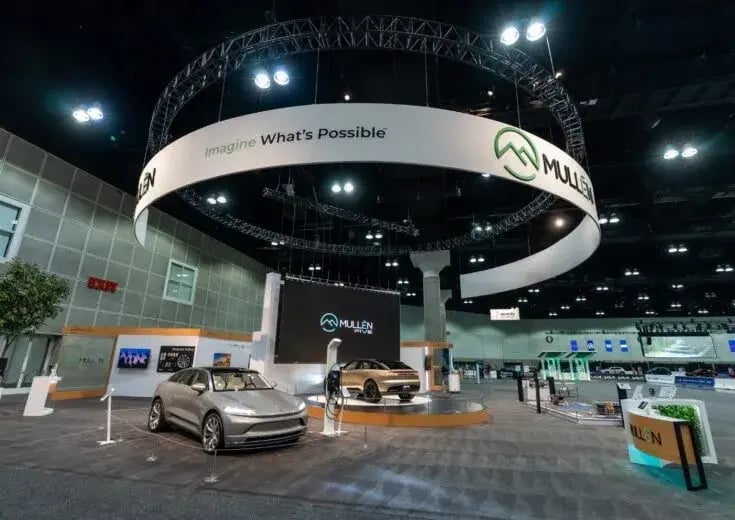
Other FGPG work worth examining: Mullen for EV brand storytelling in a competitive market, and the We Are Porsche exhibit for heritage-driven community building that spanned decades of motorsport and design history. This variety shows an agency that can handle emerging brands and established automotive icons alike.
Automotive Experiential Case Results
Concrete data points help compare agencies objectively. The table below summarizes four FGPG automotive projects across different experience types and objectives.
| Project | Year | Location | Experience Type | Primary Objective |
|---|---|---|---|---|
| Totally Awesome | 2022-2023 | Petersen Automotive Museum, Los Angeles | Museum Immersive Exhibit | Broaden visitor base with 1980s-90s automotive culture storytelling; projected 300,000 visitors |
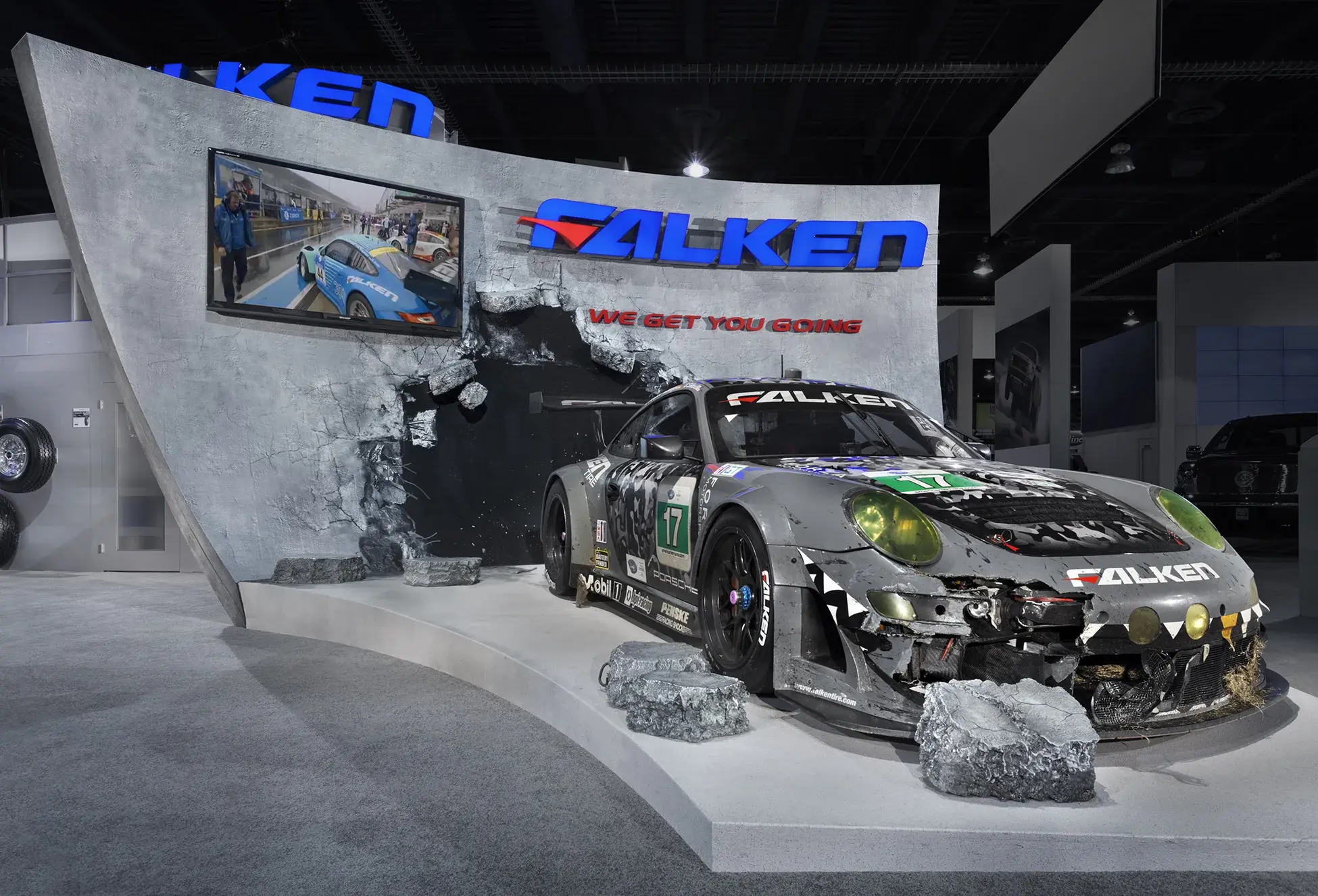
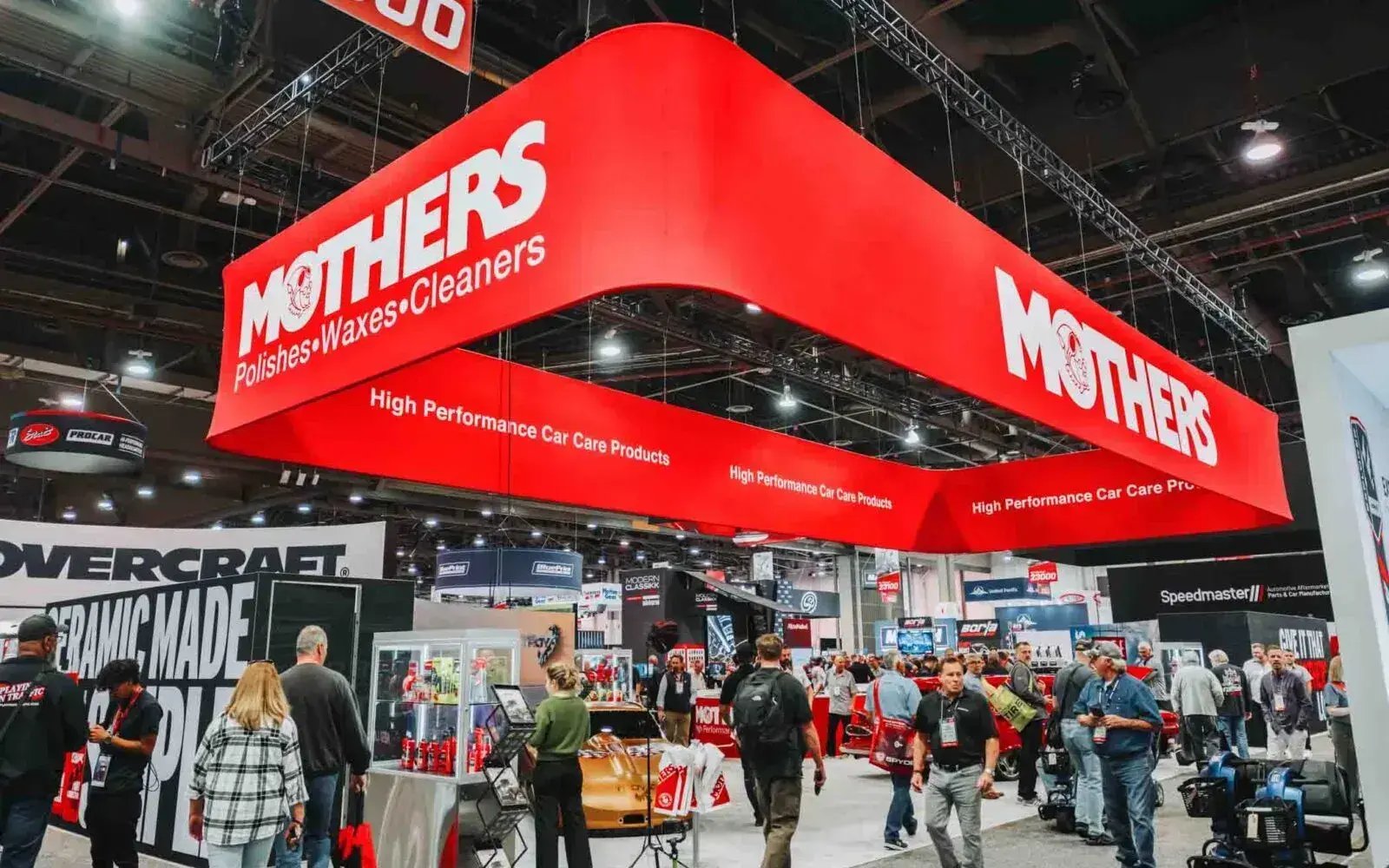
| Mothers Polish at SEMA | 2023 | Las Vegas Convention Center | Auto Show / Trade Show Activation | Product showcase for aftermarket buyers; meeting and education zones; durable high-traffic build |
| Best in Low | 2023 | Petersen Automotive Museum | Museum / Culture Exhibit | Honor lowrider heritage; connect with owner communities; generate press and prestige |
| Sparq at LA Auto Show | 2024 | Los Angeles Auto Show | Auto Show Booth + Brand Launch | Generate 10,000+ account onboardings, media coverage, and customer demo leads for a new automotive AI startup |
Check Strategic Thinking: From Experiential Moment To Full Marketing Strategy
Experiential marketing in automotive must plug into a bigger automotive marketing strategy. A stand-alone event that does not connect to digital marketing, influencer marketing, social media marketing, or community building wastes budget. About 48% of brands report ROI between 3:1 and 5:1 on experiential campaigns; the ones hitting 5:1 are integrating pre-event and post-event touchpoints.
Criteria for judging an agency's strategy depth:
- Ability to articulate target audiences and psychographics for each activation
- Defined pre-event (teaser content, invitations, search engine optimization) and post-event (email nurture, retargeting, social recaps) touchpoints
- Integration of data capture with CRM systems used by car dealerships or OEMs
- A clear marketing mix that balances experiential, content creation, and advertising
Effective automotive activations capture measurable data connected to CRM systems. Agencies must possess capabilities in digital lead capture and customer interaction analytics. FGPG plans experiences from pre-launch teaser content through on-site interaction to follow-up campaigns. The Sparq at LA Auto Show project, for example, combined a physical booth with social media content capture, branded giveaways, and onboarding stations that fed directly into the client's platform.
Integrated tactics to look for:
- QR-driven vehicle configurators or vehicle detail page links at shows
- Social media content captured live for brand storytelling and influencer marketing
- Email nurturing sequences built around exhibit themes and content updates
- Appointment scheduling software that enables seamless booking for test drives and consultations across platforms; omnichannel scheduling allows booking for test drives and service visits from the show floor
- Agencies that integrate digital technologies such as AR and VR into automotive experiences to deepen engagement
Automotive Experiential Agency vs General Marketing Agency
Many brands debate whether they need a specialist automotive marketing agency or a general marketing agency. The selection process should weigh both creative capabilities and operational execution. Here is a side-by-side comparison.
| Criteria | Automotive Experiential Agency | General Marketing Agency |
|---|---|---|
| Knowledge of vehicle display regulations and fire codes | Dedicated staff familiar with auto show floor rules, vehicle display safety, OEM specs | Limited; often requires third-party contractors |
| Vehicle logistics and fleet management | In-house expertise for moving, installing, and securing vehicles on-site | Typically subcontracts all vehicle handling |
| Brand storytelling around heritage and performance | Weaves technical specs, racing lineage, and design history into narrative | Produces visuals but often lacks deep automotive context |
| Digital and data integration | Integrated data capture, CRM alignment, interactive layers built into experience design | Digital or data is often an afterthought or separate vendor |
| Cost predictability and production quality | In-house fabrication, strong vendor relationships, supplier diversity (FGPG operates an 81,000 sq ft production facility) | More variables via subcontracting; less consistency under automotive constraints |
| Example | FGPG: end-to-end creative through fabrication and technical execution for automotive brands | General agencies may need multiple subcontractors to approximate the same output |
Selection of an automotive agency should include evaluation of their creative and engineering capabilities. FGPG's in-house production facility reduces vendor handoffs and ensures consistency across projects.
Assess Creative Approach And Brand Storytelling Capabilities
Automotive buyers respond to narrative. Heritage, performance records, design evolution, and brand story all create the emotional connection that turns a visitor into a buyer. Experiential marketing builds trust and emotional connections, and 80% of consumers prefer brands fostering meaningful connections. An agency that only fabricates structures without building narrative is leaving results on the table.
What to look for in creative work:
- Clear narrative arcs inside exhibits (beginning, middle, resolution)
- Coherent use of brand visuals that align with OEM guidelines
- Emotionally resonant audio-visual content that reinforces the car's story
- Interactive elements that deepen the story instead of distracting from vehicles
- Brand ambassadors who balance technical knowledge with approachable customer service; automotive consumers expect brand ambassadors to have deep technical product knowledge
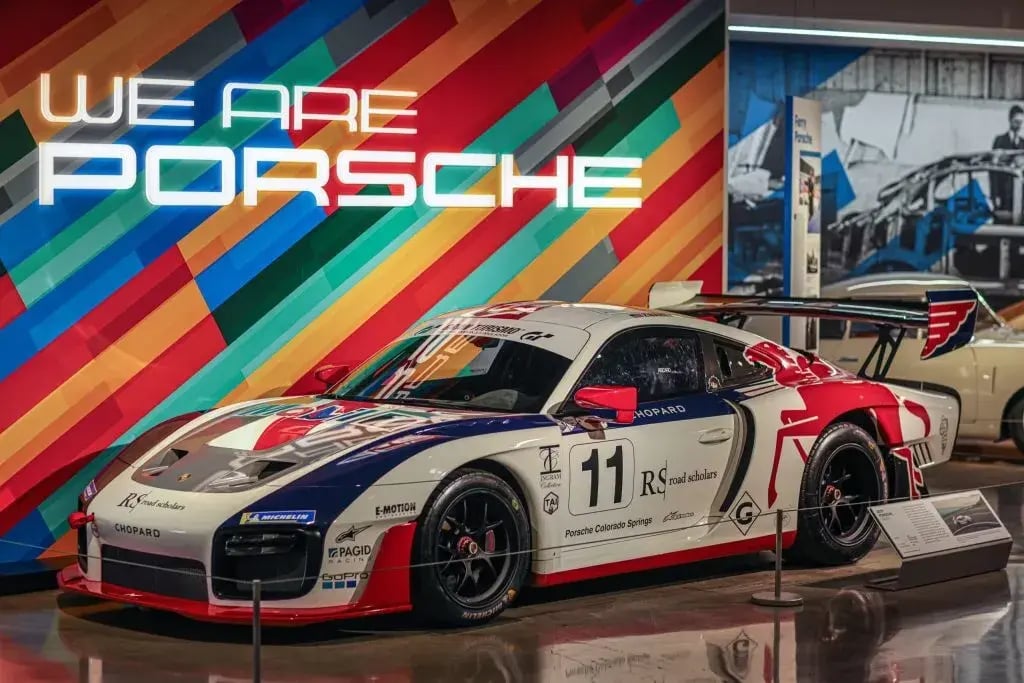
The We Are Porsche exhibit at the Petersen Museum is a strong example. FGPG used decades of motorsport and design history to build a community-driven experience that pointed toward future models and innovation. Visitors moved through eras of Porsche engineering, each zone designed to create meaningful connections between the audience and the brand. This is the kind of creative depth that separates a powerful way to engage potential customers from a forgettable display.
Technical Production, Safety, And Regulatory Competence
Automotive experiential marketing often involves loaded vehicles, elevated platforms, trusses, high-output lighting, or complex AV systems. Safety compliance is crucial for automotive experiential marketing involving dynamic driving events. Automotive agencies must ensure compliance with safety and risk mitigation regulations in experiential events. Agencies require expertise in handling vehicle logistics and fleet management for every activation type, from museum installs to ride-and-drive tours.
Specific checks to run with any prospective agency:
- Does the agency have dedicated technical directors for automotive programs?
- Can they demonstrate experience with auto show regulations (fuel levels, battery safety, egress widths, flameproof materials)?
- Are they familiar with local permitting for city street closures, insurance requirements (often $1,000,000 auto liability), and fire marshal approvals?
- Do they understand museum conservation standards for historic or high-value vehicles?
- What crisis management protocols do they follow? Automotive experiential marketing requires effective crisis management protocols for scenarios ranging from weather delays to vehicle malfunctions.
FGPG's Bond In Motion installation required managing irreplaceable licensed vehicles under museum conservation standards, while Mothers Polish at SEMA demanded a durable build for extremely high foot traffic in a trade show environment with strict fire code and aisle-width requirements. Both projects were delivered without safety or schedule issues.
Ask prospective partners for detailed examples of previous permitting challenges, fire code compliance, and structural calculations they have handled on automotive programs.
Typical KPIs For Automotive Experiential Campaigns
Understanding which KPIs each agency tracks reveals how sophisticated their measurement approach is and how well they connect experiential marketing events to sales for car dealerships and OEMs. Transparent data tracking that measures engagement and attribution is important for every campaign. Evaluation of agencies should include their tracking of leads and conversion rates.
| KPI Category | Description | Automotive Examples |
|---|---|---|
| Awareness | Reach, impressions, press coverage | Visitors at booth; regional media mentions; influencer coverage; out-of-home visibility |
| Engagement | Depth of interaction | Dwell time in zones; interactive screen sessions; test drive signups; on-site app or device usage |
| Lead Generation | Captured data for downstream funnel | Qualified leads by vehicle model or dealership region; VIN-specific leads; email signups; dealer appointments |
| Conversion / Sales Impact | Revenue or orders from activation | Post-event dealership visits; regional sales growth; orders attributable to event leads |
| Digital Amplification | Social content output, earned media | Social posts with campaign tag; influencer posts; video assets generated; website traffic spikes |
| Community Building | Repeat engagement and loyalty | Museum membership signups; owner club triggers; return visits; brand ambassador program enrollment |
After reviewing this framework, align your KPIs with internal reporting structures and ask agencies like FGPG to share past benchmarks. For instance, FGPG's Sparq activation generated over 10,000 account onboardings, a metric directly tied to the client's business objective.
Shortlisting FGPG Against Other Automotive Experiential Options
When you narrow to two or three agencies, you need a structured comparison. Send the same brief to 2-3 agencies for comparable proposals. Below is a framework you can adapt. Agency B and Agency C are placeholders for whichever competitors you are evaluating.
| Evaluation Area | FGPG |
|---|---|
| Experience Types Delivered | Auto shows, museum exhibits, trade shows, EV brand launches, dealership activations |
| Automotive Brands Served | OEMs, EV startups (Mullen, Sparq), aftermarket (Mothers Polish), heritage (Porsche, Bond vehicles) |
| Museum & Cultural Partner Experience | Petersen Automotive Museum (multiple multi-year exhibits) |
| Scale Across Multiple Shows In A Season | Sparq at LA Auto Show + Cars & Commerce at NADA Show 2024 in same season |
| In-House Production Facility | 81,000 sq ft facility for fabrication, scenic, AV, and structural work |
| Supplier Diversity Certification | Woman-owned, WBENC certified |
Turnkey execution capability is critical for agencies managing regional auto shows and dealer meetings. Evaluating agencies should focus on their scalability and capability to execute nationally, not just in one market.
Budget, Timelines, And Operational Fit
Even an exceptional creative agency fails when budgets, timing, and collaboration models do not align with the client's automotive marketing calendar.
Key questions during agency evaluations should focus on operational logistics and measurement of success. What to discuss early:
- Hard budget ceilings: regional ride-and-drive or smaller auto show footprints typically run in the six-figure range; flagship exhibits with licensed content, high-tech integration, or multi-city tours move into seven figures
- Production vs. concepting allocation: how much of the budget goes to design and how much to build and install
- Multi-city tour logistics and how late OEM approvals can affect installation dates at major auto shows
- Vendor networks and subcontractor management are essential in experiential marketing; ask how the agency manages its supplier relationships and quality control
Ask agencies for timeline case examples. FGPG recommends engaging at least 9 to 12 months before events like LA Auto Show or SEMA to allow for design, fabrication, shipping, and installation. Compressed timelines increase cost and limit production complexity.
Operational questions to cover:
- Single point of contact and reporting cadence
- Integration with dealer groups' marketing teams and service pages
- How on-site staff coordinate with brand teams and car dealership sales personnel
- Use of scheduling software that enhances customer loyalty through personalized interactions; appointment software that provides a complete view of the customer lifecycle from event contact to dealership visit
- Inventory feed management and how inventory changes at the dealer level affect display content or vehicle detail page information on digital tools at the activation
Community Building And Post-Event Engagement
Memorable experiential marketing for automotive brands should extend beyond the event. Experiential marketing generates organic word-of-mouth promotion when the experience is good enough to talk about. Community building transforms customers into brand ambassadors who carry the brand story forward without paid advertising.
Agencies should propose clear post-event tactics:
- Content recaps (photography, video, web design assets) that extend reach across social media and websites
- Owner clubs and digital forums built around stories introduced at exhibits like FGPG's Best in Low (which centered on lowrider owner communities) and Totally Awesome (projected to draw 300,000 visitors through 1980s-90s car culture storytelling)
- Email journeys built around exhibit themes, with contact data collected during the event feeding ongoing nurture campaigns
- Influencer marketing partnerships that begin at the event and continue through content creation cycles
Ask agencies how they connect on-site data capture with ongoing digital marketing, social media marketing, and community management. Eighty percent of consumers prefer personalized experiences from brands, and that preference does not end when they leave the booth. Experiential marketing helps build trust and emotional connections that carry into the buying journey.
NIO House offers co-working spaces and lifestyle events as a model for ongoing brand-community spaces in automotive. Whether your brand operates a permanent space or a touring activation, the principle is the same: positive experiences at an event should have a clear path to repeat engagement, news updates, brand loyalty programs, or ambassador roles.
How To Run Effective Chemistry And Capability Meetings
In-person or virtual workshops are where brands assess whether an agency truly understands their vehicles, culture, and constraints. These meetings matter more than any RFP response.
Suggested meeting agenda points:
- Review of relevant automotive work: ask for detailed walk-throughs of projects like Mullen, We Are Porsche, Bond In Motion, and Sparq at LA Auto Show
- Discussion of a hypothetical brief (for example, launching a new EV line at an auto show with a ride-and-drive component and digital content capture)
- Q&A on processes: how the agency handles zoning, safety, permitting, OEM tech specs, brand storytelling, and budget tiers
- Ask agencies to demonstrate how they manage content updates across a multi-week or touring activation; clarify ownership of domain and content before selecting an agency
Agencies should demonstrate their understanding of different automotive audiences and psychographics. A luxury sedan buyer is not the same as a performance truck enthusiast, and the activation design should reflect that. Automotive agencies must demonstrate their operational capabilities for executing complex activations under pressure; watch how the creative leaders react to constraints and how transparently they discuss risks.
Pay attention to whether agencies come prepared with tailored ideas grounded in past exhibits like Mullen or We Are Porsche, rather than generic references that could apply to any industry. An agency that speaks the language of automotive marketing, customer journeys, and car dealerships will feel different from one that speaks in abstract creative terms.
Making Your Final Selection And Why FGPG Stands Out
By this stage, you should narrow to one agency based on experience, creative strength, technical execution, measurement rigor, and chemistry. Eighty percent of consumers prefer brands that offer personalized experiences, and the agency you choose determines whether your brand delivers on that expectation at every touchpoint.
Final comparison checklist:
- Automotive portfolio depth across auto shows, museum installs, dealer events, and new technology launches
- Integration with broader automotive marketing strategy (digital marketing, SEO, social media, content creation)
- Financial transparency and willingness to work within realistic budget tiers
- Ability to support multiple years of evolving programs, not just a single event
- A track record that proves reliability across consumer and trade automotive events
FGPG stands out because it combines automotive museum work (Petersen exhibits including Totally Awesome, Best in Low, We Are Porsche, and Bond In Motion), trade event builds (Mothers Polish at SEMA, Cars & Commerce at NADA), and startup launches (Sparq at LA Auto Show, Mullen) under one roof. Its 81,000-square-foot production facility, WBENC certification for supplier diversity, and consistent delivery across formats make it the clear choice for automotive brands that want an agency partner, not just a vendor.
A few tips for next steps: review FGPG's automotive project pages, prepare a brief that outlines your goals and budget range, and initiate a discovery conversation focused on your next model launch, exhibit, or experiential marketing event. The right automotive experiential agency turns a vehicle launch into a measurable pipeline event and a museum exhibit into a community engine.
The FG|PG Team
FG|PG was founded nearly 21 years ago. Today we’re one of the largest woman-owned, WBENC Certified, live, hybrid and virtual experiential agencies in the US. That trajectory isn’t accidental. It’s the result of a commitment to continually evolve, to never stop learning, and to always listen to our clients’ needs.