
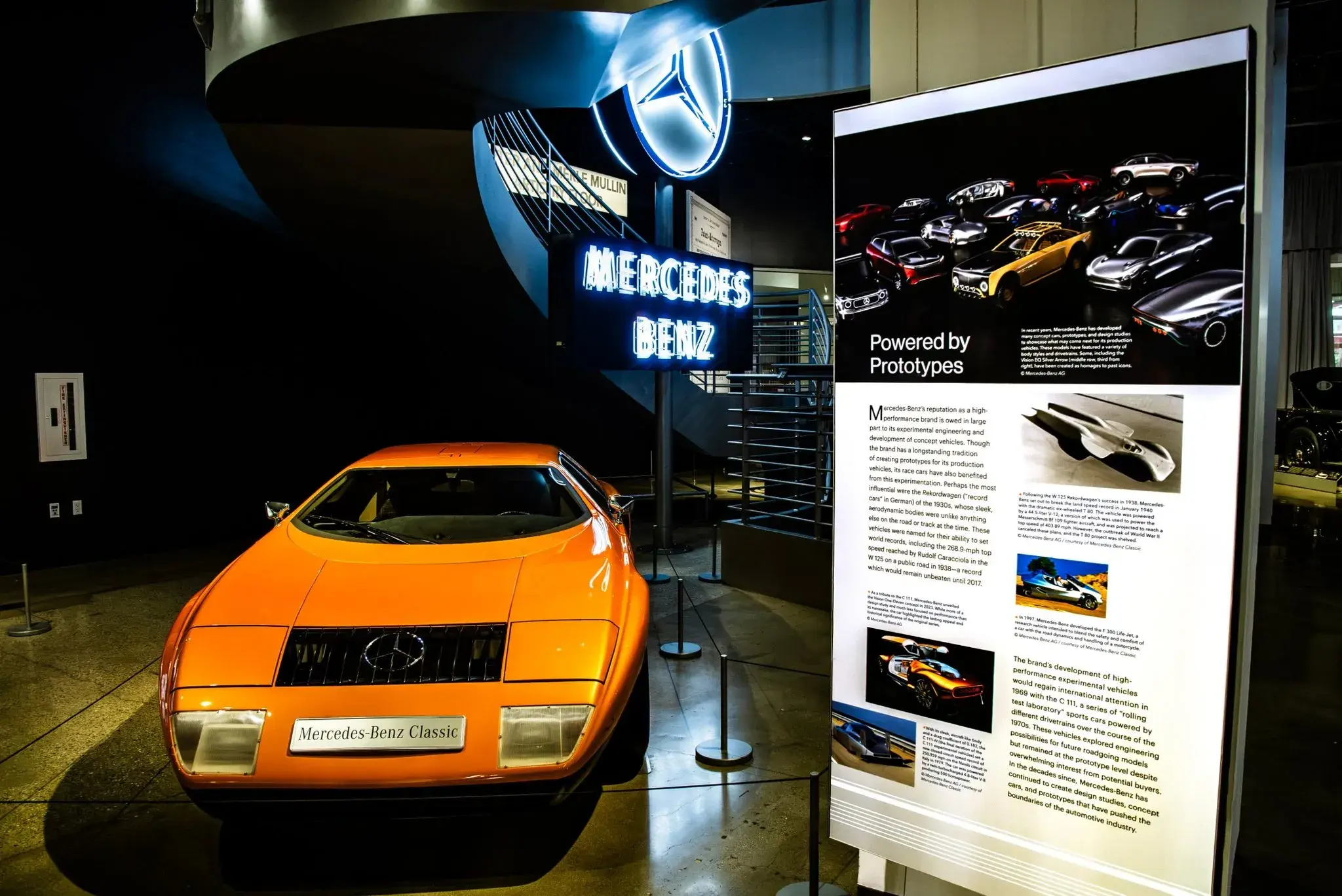
Automotive brands face a fundamental challenge: how do you sell a car through a screen?
You can show specs, performance footage, and lifestyle imagery all day, but nothing replaces the moment a potential customer sits behind the wheel, hears the engine, or walks around a vehicle under perfectly designed lighting.
That is the premise behind experiential marketing for automotive, and it is reshaping how companies allocate their budgets, measure success, and build lasting customer loyalty.
Key Takeaways
- Automotive experiential marketing encompasses auto shows, museum exhibits, ride and drive programs, lifestyle pop-ups, and dealership activations that let consumers physically interact with vehicles and brand stories.
- Leading automotive brands are shifting significant marketing budgets toward experiential events, with 64% of companies allocating 11% to 30% of budgets to experiential marketing and 88% reporting year-over-year budget increases.
- FGPG is a proven agency partner with a deep automotive portfolio, including multiple Petersen Automotive Museum exhibits (Bond In Motion, Totally Awesome, Best In Low, We Are Porsche), SEMA builds for Mothers Polish, NADA activations, and EV launches like Mullen.
- The most effective automotive experiential programs blend physical events with digital layers like augmented reality and structured data capture for ongoing personalization.
- This article delivers concrete strategies, real case studies, and comparison and data tables showing how to plan, execute, and measure automotive experiential marketing at scale.
What Is Experiential Marketing In The Automotive Industry Today?
Experiential marketing in the automotive industry is the practice of creating immersive, hands-on brand activations where consumers can touch, drive, hear, and explore vehicles in context. It stands apart from traditional advertising like TV spots, print ads, and static digital campaigns by prioritizing real-world interaction, emotional connections, and multisensory engagement over passive consumption.
Automotive experiential marketing spans a wide range of formats:
- Auto show exhibits with world premieres and model reveals
- Museum exhibitions that celebrate heritage, culture, and design
- Test drive events and ride-and-drive programs on real terrain or controlled tracks
- Lifestyle pop-ups at music festivals, cultural events, and urban centers
- Dealership experience upgrades with technology demos and owner welcome programs
- Interactive installations featuring AR, VR, and EV education labs
Modern customer journeys are experience-led. Shoppers research online, engage on social media, and then want to physically experience the product before committing. Experiential marketing creates emotional connections between consumers and brands at those critical offline moments. It invites consumers to engage with a brand directly rather than passively absorbing messaging. Automotive experiential marketing incorporates interactive test drives and lifestyle-focused events that create memorable experiences across the full purchase cycle.
FGPG is a woman-owned, award-winning, WBENC-certified experiential marketing agency that has been designing automotive experiences for over 25 years. Their long-term collaboration with the Petersen Automotive Museum, dating back to 2015, demonstrates deep expertise in turning vehicles into narrative centerpieces. With an 81,000-square-foot in-house facility handling strategy, creative design, fabrication, and production, FGPG reduces vendor handoffs and maintains quality control from concept to install.
Leading automotive companies increasingly view experiential marketing as an always-on capability rather than a short-term stunt.
Why Automotive Brands Are Pouring Budget Into Experiential Marketing
Automotive brands invest millions annually in experiential programs because the category demands it. Cars are high-cost, high-consideration purchases where emotion, identity, and trust matter as much as horsepower and fuel economy. In a crowded, tech-driven market, experiential events offer something traditional advertising cannot: direct, tangible product interaction that shortens the sales process and strengthens brand affinity.
Experiential marketing supports both brand building and performance metrics. Research shows that experiential marketing is the third most effective channel for customer acquisition, connecting marketing efforts directly to leads, test drives, orders, and service bookings. A Gradient Experience study of C-suite auto executives and senior brand marketers found that 64% of companies allocate 11% to 30% of their marketing budget to experiential initiatives, and 88% of companies report increases in experiential marketing budgets year over year.
Why the acceleration? Automotive marketers prioritize emotional connection and customer loyalty more than many other industries. In the same study, 49% of auto brands emphasize emotional connection versus 39% across other verticals.
And 80% of consumers are loyal to brands that foster meaningful connections, making event marketing and live experiences especially attractive for a category built on identity and aspiration. Research also indicates that 80% of consumers are loyal to brands that help achieve the "Good Life," reinforcing how deeply experiential values and lifestyle alignment drive purchase decisions.
FGPG helps automotive brands translate bigger experiential budgets into measurable outcomes instead of disjointed one-offs. Their focus on integrating strategy, creative, and production under one roof means every dollar spent connects to a clear business objective.
Core Benefits Of Automotive Experiential Marketing
Automotive experiential marketing delivers four key benefits that traditional channels struggle to match: visibility, credibility, engagement, and competitive differentiation. Each one compounds the others, creating a flywheel that drives both short-term sales and long-term loyalty.
Increased Visibility. Auto shows and museum exhibits draw massive, diverse foot traffic. FGPG's Totally Awesome exhibit at the Petersen Automotive Museum had a projected attendance of 300,000 visitors, pulling in not just car enthusiasts but anyone drawn to 1980s and 1990s culture. Experiential marketing events can increase brand awareness and visibility far beyond the typical automotive audience. They generate user-generated content that enhances brand visibility across social platforms.
Improved Brand Credibility. When consumers see vehicles up close, interact with product specialists, and experience advanced tech like ADAS or EV charging firsthand, trust grows. Experiential marketing events attract three audience types: buyers, enthusiasts, and professionals. Each group walks away with a deeper understanding of the product. Research confirms that 91% of customers feel more optimistic about brands after participating in events.
Enhanced Customer Engagement. Experiential marketing enhances customer engagement by 79%. Longer dwell times at physical activations translate to deeper product understanding and stronger memory formation. Designing memorable experiences increases brand recall and customer engagement in ways that a 30-second ad simply cannot.
Competitive Differentiation. Experiential marketing is crucial for building brand loyalty in automotive. For new entrants and EV brands that need to build trust quickly, a powerful physical presence can demonstrate technology and quality in ways that digital campaigns alone cannot. And 40% of customers feel more loyal due to experiential marketing, while experiential marketing can increase brand loyalty by 40%, proving that distinctive experiences create lasting competitive advantage.
Experiential marketing events attract potential buyers and automotive enthusiasts, making them essential for both awareness and conversion.
Experiential Vs Traditional Automotive Marketing
How does experiential marketing stack up against traditional channels for automotive brands? The table below provides an illustrative comparison grounded in realistic ranges from public industry benchmarks. Note that experiential marketing can shorten the buyer's journey and enhance lead generation compared to passive media formats.
| Channel | Average Dwell Time Per Prospect | Lead Capture Rate | Test Drive Or Demo Conversion |
|---|---|---|---|
| TV Spot (30 seconds) | 0.5 minutes | 0.5% (website visits from viewers) | 0.1% |
| Paid Social Ad | 0.25 minutes | 1-2% | 0.3% |
| Auto Show Exhibit | 5-12 minutes | 15-25% | 8-12% |
| Ride And Drive Event | 20-45 minutes | 40-60% | 35-50% |
| Museum Exhibit Or Immersive Installation | 30-90 minutes | 10-20% | 5-10% |
Experiential formats deliver vastly higher dwell times and conversion rates per prospect. While total reach is smaller than broadcast or digital, the quality and influence per engagement are far greater. These formats are not replacements for traditional advertising but multipliers: they feed leads, stories, and awareness into digital and dealership funnels.
FGPG helps clients integrate experiential outcomes with digital media and CRM systems rather than treating events as isolated line items. This means every lead captured at an auto show or museum exhibit flows into a structured follow-up process.
Experiential Marketing Across The Automotive Customer Journey
Effective automotive experiential marketing maps to specific stages of the customer journey, from early awareness through ownership and advocacy.
- Awareness: Lifestyle pop-ups at music festivals and urban centers with branded vehicle displays and photo moments. Pop-up events allow brands to connect with potential customers outside traditional dealerships. These activations reach Gen Z and millennial audiences who may not visit a dealership on their own.
- Consideration: Auto shows, ride and drive programs, and interactive test drive simulators placed in high-traffic shopping centers. Test drives during experiential marketing showcase vehicle performance and safety technologies. Experiential marketing reduces barriers to purchase decisions for high-involvement products like vehicles.
- Purchase: VIP delivery events that turn car pickup into a celebration. Personalized experiences at the point of sale, including vehicle walk-throughs with product specialists who answer questions about features, financing, and ownership.
- Post-Purchase: First service visits designed as "welcome back" moments, owner-only track days, and heritage tours. These touchpoints strengthen customer loyalty and turn buyers into brand ambassadors.
FGPG designs programs that deliberately own predictable customer moments such as lease end, warranty expiration, and big service milestones. By creating meaningful relationships at each of these inflection points, brands extend lifetime value and reduce conquest vulnerability.
Case Studies: Bringing Automotive Brands And Stories To Life
The best way to understand what automotive experiential marketing can deliver is to see it in action. FGPG's portfolio demonstrates how strong creative and production turn vehicles into unforgettable live experiences.
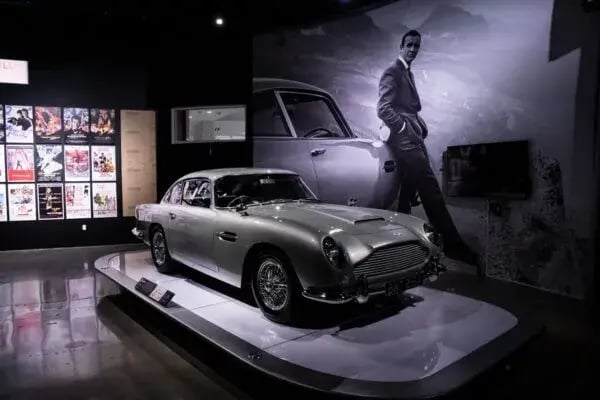
Bond In Motion at the Petersen Automotive Museum was the largest single-location collection of original James Bond vehicles in the United States, featuring artifacts from EON Productions and The Ian Fleming Foundation. Timed with the 2021 release of "No Time To Die," the exhibit used cinematic lighting, soundscapes, and narrative signage to turn iconic cars into a cohesive story universe. It became one of the Petersen's most attended immersive exhibits, driving repeat visits and significant press coverage. Emotional storytelling in experiential campaigns connects vehicles with consumer identity, and Bond In Motion is a textbook example.
Totally Awesome brought the 1980s and 1990s to life through period-accurate neon, pastel palettes, and authentic material choices across ten thematic sections. FGPG completed sixteen rounds of graphic iteration to calibrate the aesthetic between neon kitsch and reverent nostalgia. The exhibit operated at two speeds: immersive for casual visitors and educational for enthusiasts via information plinths. An arcade section extended dwell time and generated social sharing. With 300,000 projected visitors, it proved that automotive culture can reach far beyond the enthusiast community.
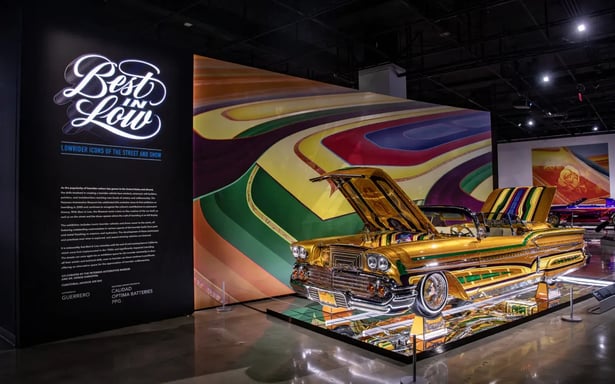
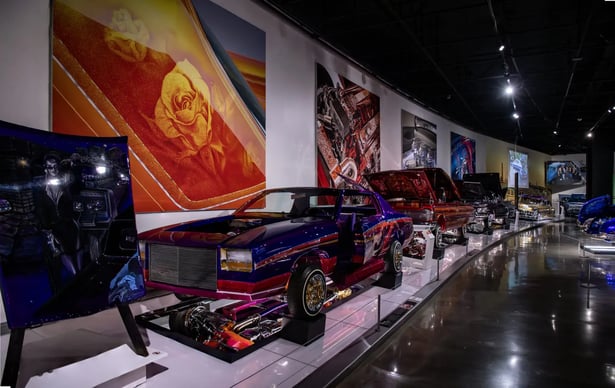
Best In Low at the Petersen treated lowrider culture as art and community. The exhibit spotlighted historically significant vehicles like "Gypsy Rose," "Final Score," "Double Trouble," and "Dead Presidents", showcasing craftsmanship and cultural significance with the respect these cars and their owners deserve.
We Are Porsche connected brand history, racing heritage, and fan culture into a multi-zone experiential journey that immersed visitors in what it means to be part of the Porsche community.
From Trade Shows To Auto Shows: Turning Booths Into Brand Worlds
Trade shows and auto shows remain essential pillars of automotive marketing. The difference between a forgettable booth and a brand world comes down to experiential thinking applied to every square foot.
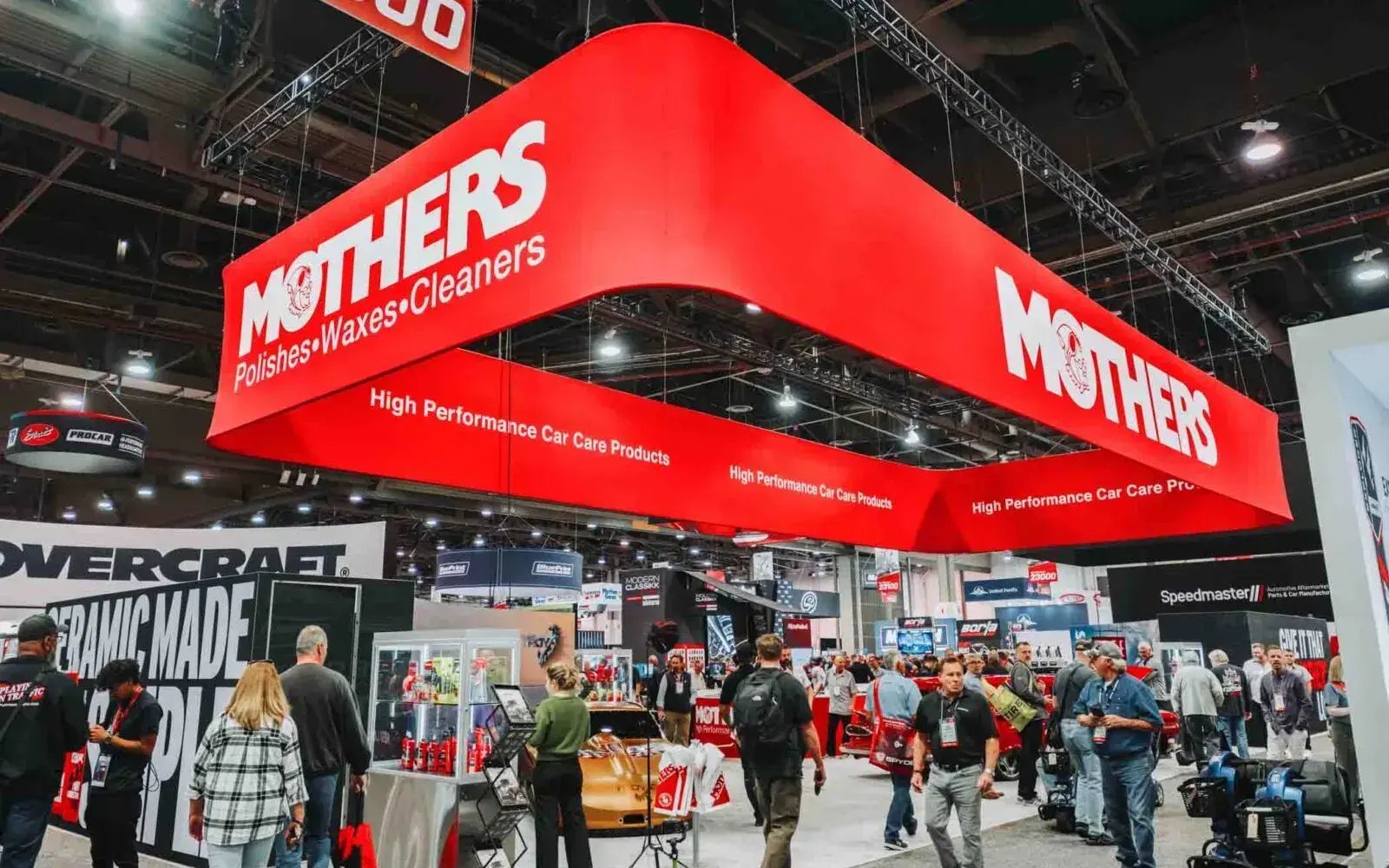
FGPG's work with Mothers Polish at SEMA illustrates this perfectly. The activation featured custom radius-edge display counters, dedicated product showcase areas, structured support columns and meeting rooms, and bold SEG fabric graphics with the signature logo. Every surface was built with high-durability finishes designed to handle the heavy Las Vegas Convention Center foot traffic. Clear sightlines ensured that attendees could discover products from a distance and then move seamlessly into deeper product interaction and demo conversations.
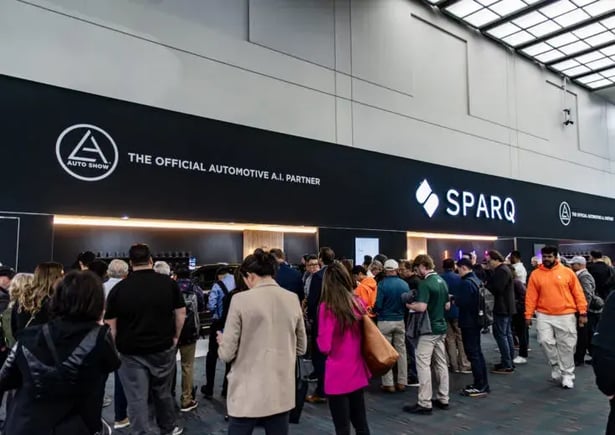
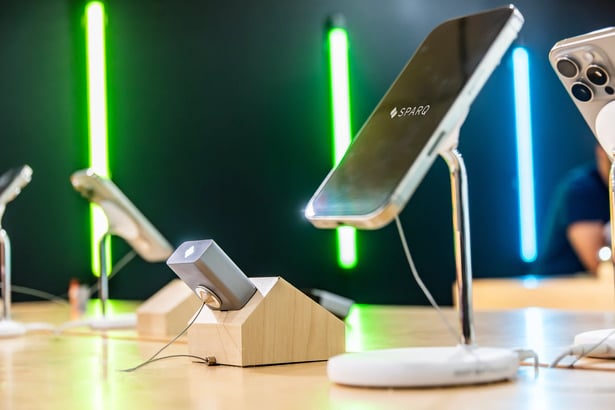
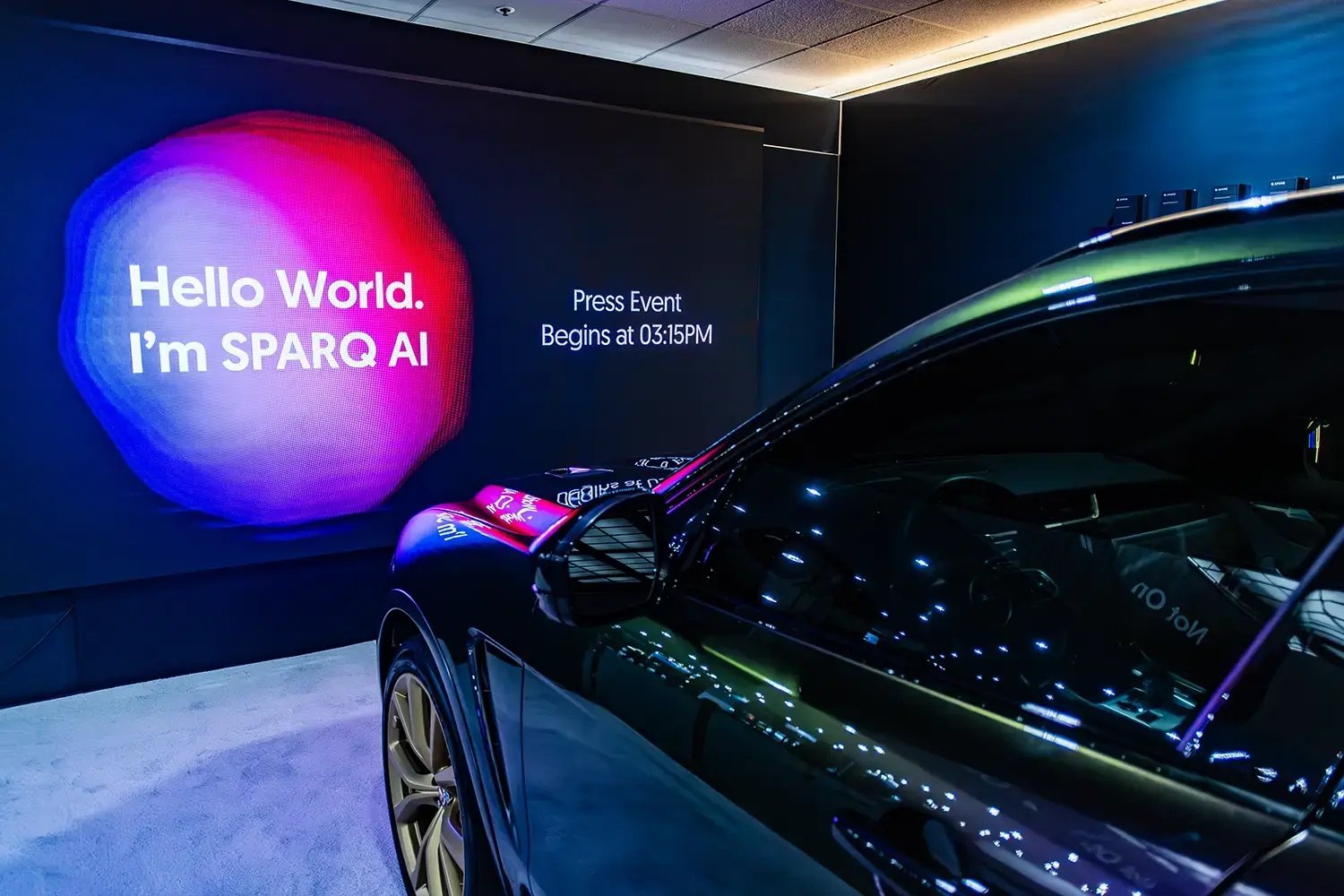
FGPG also brought Sparq to the LA Auto Show, demonstrating large-scale auto show capability. These activations show how FGPG structures spaces so visitors flow naturally from discovery to product deep dive to meetings with sales or media teams.
A critical differentiator: FGPG handles strategy, creative, architecture, production, logistics, and on-site execution end to end. Automotive brands can focus on press, partners, and customers while FGPG manages everything behind the scenes.
Event Marketing For Dealers, OEMs, And Emerging Automotive Brands
The experiential needs of large OEMs, dealer groups, and emerging brands like EV startups are distinct but interconnected.
- National OEMs fund large hero experiences at flagship events while providing co-op marketing frameworks and shared playbooks for their dealer networks.
- Dealer groups run scalable local activations, from weekend test drive events to service anniversary celebrations, following measurement frameworks that roll up to national reporting.
- Emerging brands rely on experiential marketing to build trust, demonstrate technology, and educate consumers about EV ownership, charging infrastructure, and total cost of ownership.
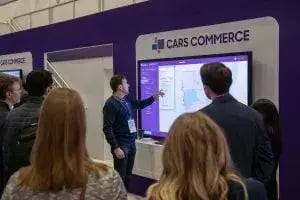
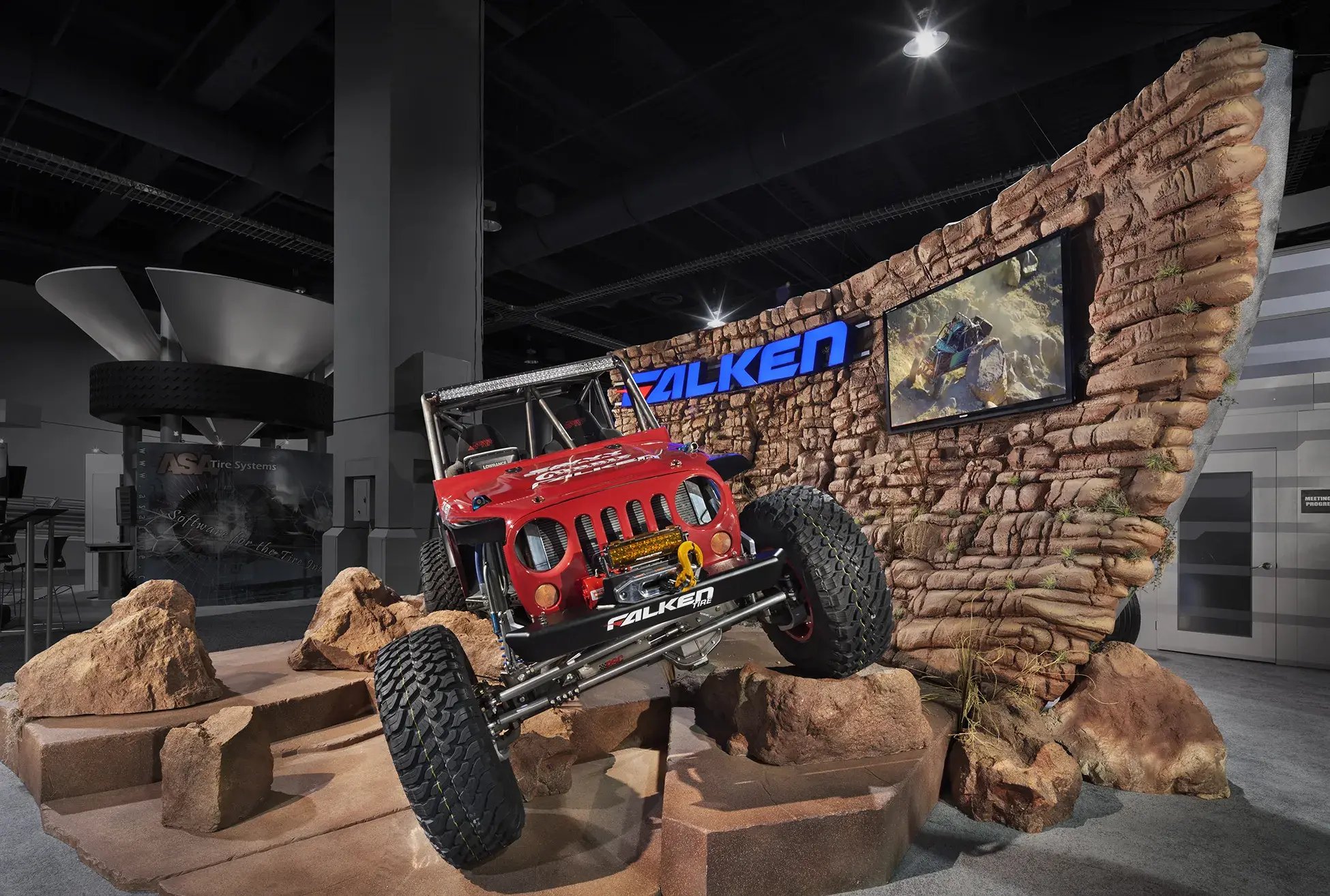
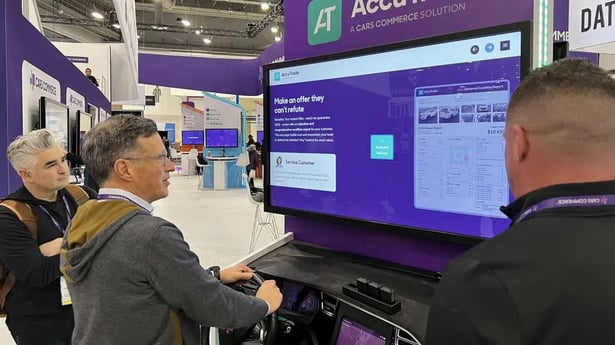
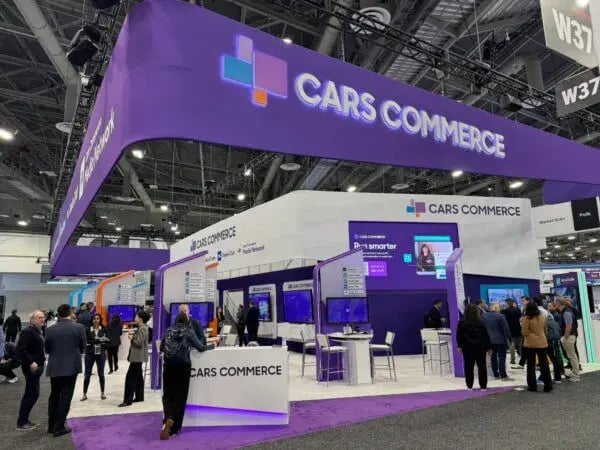
FGPG's Cars And Commerce activation at the NADA Show is an example of designing experiences for dealers and retail decision-makers rather than end consumers. The activation addressed the innovation and strategies shaping automotive retail.
For emerging brands, FGPG's work with Mullen demonstrates how experiential marketing can help an EV startup establish credibility, deliver product education, and create memorable experiences for an audience that may never have heard the brand name before.
FGPG is uniquely equipped to serve all three groups by adapting creative, scale, and measurement to each audience while keeping brand values consistent across every touchpoint.
Immersive Technology: Augmented Reality, Virtual Reality, And Interactive Displays
Immersive technology matters for automotive experiential marketing because modern vehicles are complex products. EV powertrains, advanced driver assistance systems, and connected car features are difficult to communicate through brochures or ads. Augmented reality and virtual reality can enhance product exploration in experiential marketing by making the invisible visible.
Practical use cases include:
- Augmented reality: Customers place a full-scale SUV in their driveway via mobile device, or point a tablet at a vehicle to explore hidden features, charging port locations, or interior configurations. QR codes on display signage can trigger AR overlays instantly.
- Virtual reality: VR test drives and XR studios offer multi-model comparisons, interior exploration, and driving simulations even when inventory is limited or vehicles are pre-production.
- Interactive displays: Touchscreens with configuration tools, side-by-side spec comparisons, and content that triggers when visitors approach specific zones. Customization experiences in automotive marketing help consumers visualize and engage with vehicles before they commit to a purchase.
According to Cvent's experiential marketing benchmarks, 87% of marketers plan to use VR in future experiential campaigns. FGPG designs tech as a storytelling tool, not a gimmick, integrating digital engagement into physical spaces with clear user flows and data capture touchpoints.
Automotive Experiential Formats And Use Cases
Different experiential formats solve different problems. Choosing the right mix is a strategic decision that depends on your goals, audience, budget, and timeline. The table below helps marketers quickly see which format best fits objectives like lead generation, brand storytelling, product education, or community building.
| Format | Primary Goal | Ideal Audience | Typical Dwell Time | Example Use |
|---|---|---|---|---|
| Museum Exhibit | Deep storytelling and heritage building | Enthusiasts, families, tourists | 45-90 minutes | Bond In Motion and We Are Porsche at Petersen by FG|PG |
| Major Auto Show | High reach, new model debuts, press moments | Shoppers, media, influencers | 5-20 minutes per brand space | Sparq at LA Auto Show by FG|PG |
| Ride And Drive | Hands-on product trial and conversion | In-market shoppers and fleet buyers | 20-45 minutes | EV range demo days or off-road SUV experiences |
| Pop-Up Or Lifestyle Activation | Awareness, content generation, community | Urban millennials, Gen Z, early adopters | 10-30 minutes | Beach-front EV lounge or music festival SUV lounge |
| Dealership Experience Upgrade | Sales support and loyalty | Existing owners and local shoppers | 30-60 minutes | Service welcome events and tech clinics |
FGPG often blends formats within a multi-quarter roadmap to maximize impact. A brand might launch with a museum exhibit for heritage storytelling, follow with an auto show presence for new model awareness, and sustain momentum with regional ride-and-drive programs that convert interest into sales.
Designing Authentic, Culturally Aware Automotive Experiences
Authenticity and cultural sensitivity are critical in automotive experiential marketing, particularly when celebrating specific communities or subcultures. Getting it wrong damages trust. Getting it right creates brand ambassadors for life.
Best In Low at the Petersen is a detailed example of how FGPG worked with curators to showcase lowrider culture respectfully. Cars like "Gypsy Rose" and "Dead Presidents" were presented as art pieces and community symbols, not curiosities. The exhibit honored the craftsmanship, artistry, and cultural significance of lowrider tradition.
The Totally Awesome exhibit balanced nostalgia and sophistication, avoiding cliche "retro" clip-art visuals while still delivering an unmistakably 1980s feeling. Material choices were treated as brand decisions, with real neon and period-authentic finishes replacing cheap imitations.
For brands considering niche automotive experiences, the recommendation is clear: involve community voices, club leaders, or cultural historians in the design process. Community-led events enhance brand loyalty and advocacy among existing vehicle owners and connect your brand to audiences that value sincerity over spectacle.
Authentic storytelling builds trust, word of mouth, and long-term advocates beyond immediate sales.
Measurement, Data Capture, And ROI For Automotive Experiential Marketing
Measuring experiential ROI is a major challenge for automotive marketers, but it is solvable with a structured framework. The key is integrating measurement into event design from day one rather than bolting it on after the fact.
Use a simple before, during, and after model:
- Before: Set clear KPIs. Define what success looks like in terms of awareness, engagement, conversion, and content.
- During: Capture consented data and engagement metrics. Track dwell time by zone, interactive sessions, leads captured, and test drives scheduled. Data capture at events allows brands to gather insights about customer preferences in real time.
- After: Track downstream actions. Measure post-event dealership visits, service bookings, orders placed, and revenue attributed.
Key KPIs for automotive experiential campaigns include leads captured, test drives scheduled, content shares, time spent in experience, post-event dealership visits, and service bookings. Measuring ROI in experiential marketing links customer interactions to sales outcomes. And 66.67% of automotive companies prioritize sales as the main ROI metric, reinforcing that experiential must connect to the bottom line.
Experiential events are powerful engines for first-party data, especially as third-party cookies decline and privacy regulations tighten. Every interaction, from a configurator session to a test drive sign-up, generates valuable, consented data that feeds CRM and retargeting strategies.
FGPG builds measurement and CRM integration into event design so that every activation produces actionable data alongside memorable experiences.
Sample KPI Framework For An Auto Show Campaign
Here is a concrete, numeric example of how an OEM could frame KPIs for a major auto show activation. These illustrative figures represent a hypothetical program at a show like the LA Auto Show or Detroit Auto Show.
| KPI Category | Metric | Target | Actual |
|---|---|---|---|
| Awareness | Booth Foot Traffic | 75,000 visitors | 82,500 visitors |
| Engagement | Average Time In Space | 7 minutes | 10.2 minutes |
| Engagement | Interactive Screen Sessions | 10,000 sessions | 13,400 sessions |
| Conversion | Leads Captured | 6,000 leads | 7,250 leads |
| Conversion | Test Drives Scheduled Post Show | 1,200 appointments | 1,480 appointments |
| Content | User Generated Social Posts With Hashtag | 3,000 posts | 3,900 posts |
These metrics feed directly into decision-making about future shows, creative optimization, and co-op funding allocation between OEMs and their dealer networks. When every KPI maps to a business outcome, justifying experiential budgets to finance teams becomes straightforward.
FGPG can customize dashboards and reporting to each client's specific CRM and analytics stack, ensuring that data flows from the show floor to the boardroom without friction.
How FGPG Helps Automotive Brands Plan Effective Experiential Strategies
FGPG's process starts with discovery and journey mapping, moves through concepting and prototyping, and culminates in full production and on-site execution. Every step is tied to concrete business goals: whether the objective is EV education, conquest sales, loyalty improvement, or dealer network support.
Specific disciplines inside FGPG come together for complex automotive projects:
- Spatial design for flow, sightlines, and zone architecture
- Interactive technology for digital engagement and data capture
- Content and graphic design for storytelling and visual identity
- Operations and logistics for vehicle handling, permitting, and installation
FGPG has experience working with multiple stakeholders simultaneously, including OEM brand teams, museum curators, licensing partners (such as EON Productions for Bond In Motion), and dealer councils. This multi-stakeholder fluency is essential for large-scale automotive experiential marketing where approvals, brand guidelines, and money flow across organizations.
Why FGPG Is The Right Agency Partner For Automotive Experiential Marketing
For automotive brands evaluating experiential agencies, FGPG offers a combination of capabilities that is difficult to match:
- Decade-plus automotive and museum experience: Bond In Motion, Totally Awesome, Best In Low, We Are Porsche, Mothers Polish at SEMA, Cars And Commerce at NADA 2024, Sparq at LA Auto Show, and Mullen represent a portfolio spanning heritage, culture, trade shows, dealer events, and EV launches.
- End-to-end services: Strategy, creative, fabrication, and production handled in-house under an 81,000-square-foot facility. No fragmented vendor chains.
- Proven ability to handle high-profile licensed content: Partnerships with EON Productions, The Ian Fleming Foundation, and major museum institutions.
- Track record of top-attended exhibits: Projects that become must-see attractions, driving hundreds of thousands of visitors and broad press coverage.
- Supplier diversity: Woman-owned and WBENC-certified, contributing to supplier diversity goals for major OEMs and their procurement teams.
If you are planning upcoming auto shows, museum installations, product launches, or long-term experiential roadmaps for 2026 through 2028, start a conversation with FGPG. Visit their automotive portfolio to see the full scope of what is possible.
These are common questions automotive marketers ask when exploring experiential marketing strategies and agency partnerships. Each answer is designed to be brief and actionable so you can share it with internal stakeholders.
The FG|PG Team
FG|PG was founded nearly 21 years ago. Today we’re one of the largest woman-owned, WBENC Certified, live, hybrid and virtual experiential agencies in the US. That trajectory isn’t accidental. It’s the result of a commitment to continually evolve, to never stop learning, and to always listen to our clients’ needs.


