
Why Every Brand Needs an Experiential Marketing Agency to Win Gen Z

Brands spent years mastering the art of reach. Bigger media buys. More precise targeting. Creative that stopped the scroll.
That still matters. But for Gen Z, it’s table stakes. This generation doesn’t just want to see your brand. They want to step inside it, interact with it, and share it with the people they trust. And the brands learning to build that kind of experience are the ones earning Gen Z’s loyalty right now.
That’s where experiential marketing comes in.
In this article, we’ll look at:
- Why Gen Z responds differently to brand marketing than previous generations
- How IRL, hybrid, and shareable experiences build trust in ways traditional campaigns often can’t
- What Gen Z actually wants from brand activations, pop-ups, and live experiences
- Why experiential marketing agencies help brands turn creative ideas into real-world moments people remember
To understand why this matters, we need to start with the bigger shift happening in brand marketing: the move from messaging to moments.
1. Why Is Brand Marketing Shifting from Messaging to Moments?
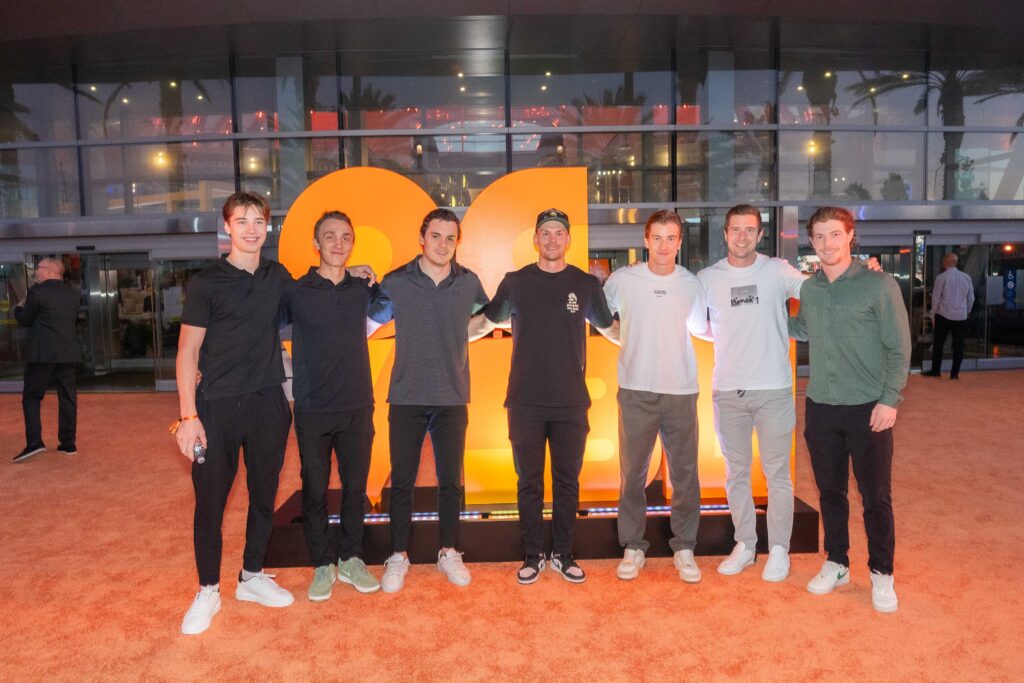
Brand marketing used to be about the story a brand told. Today, it’s about the story a customer gets to tell.
Gen Z has grown up with more content, more choices, and more advertising than any generation before them. The result is a cohort deeply skeptical of traditional brand messaging and remarkably good at filtering out anything that doesn’t feel genuine. According to Pulse Advertising, Gen Z influences approximately $600 billion in global spending, and 94% of Gen Z respondents expect companies to take a stand on important social issues. They’re not passive receivers of brand narratives. They’re participants, critics, and co-creators.
For brands of every size and category, this shift changes how marketing should work. The emphasis moves away from broadcasting a message toward designing an experience worth having, sharing, and remembering. Experiential marketing bridges that gap by turning brand strategy into interactive moments people can actually participate in. For a generation that has largely opted out of being marketed to in traditional ways, that kind of participation is often what makes a brand feel real.
2. How Gen Z Rewrote the Rules of Brand Engagement
Previous generations of consumers often defined brand value through reputation, heritage, and familiarity. Gen Z respects those things, but they’re not the whole equation.
According to NielsenIQ, Gen Z’s spending power is projected to reach $12 trillion globally by 2030, and in the U.S. alone, the generation already commands $360 billion in buying power. But their expectations differ from those of any generation before them. Research from Tink found that 76% of Gen Z consumers are willing to pay more for brands they trust, and 63% are willing to pay a premium for ethically made products.
What this means practically for experiential marketing strategy is that the experience a brand creates has to carry real weight alongside the product itself. Gen Z isn’t lowering the bar for brands. They’re raising it in different dimensions, including trust, values, participation, and authenticity. The brands meeting them there are building something much harder for competitors to replicate than a product feature or a price point: a relationship people can actually feel.
3. Why Is Gen Z Returning to IRL Brand Experiences?
Scroll fatigue is real. And it’s driving something worth paying attention to.
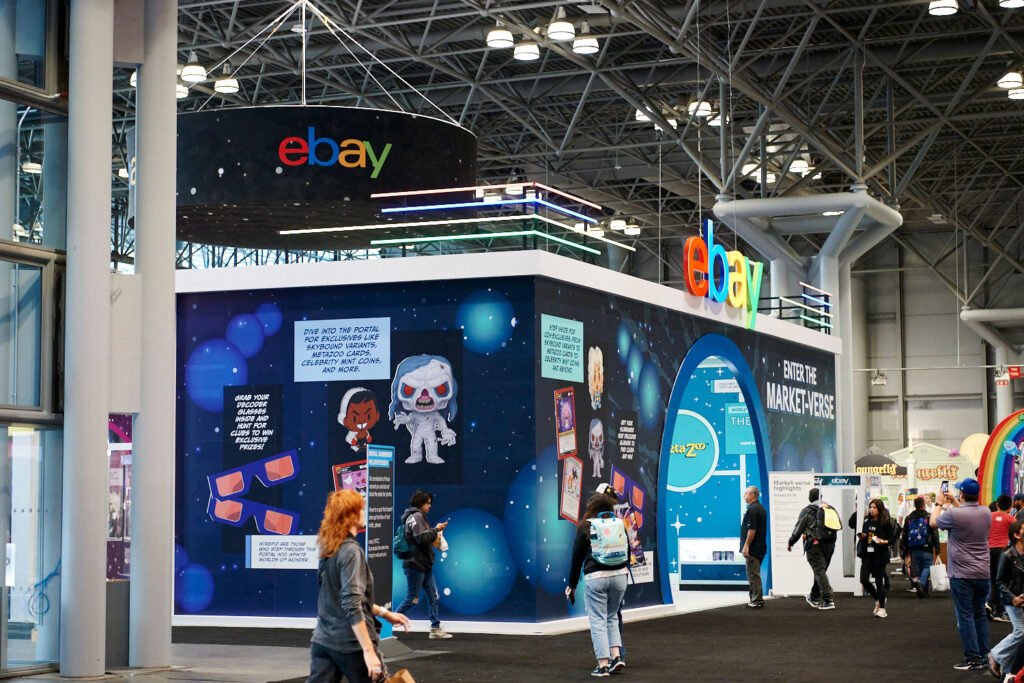
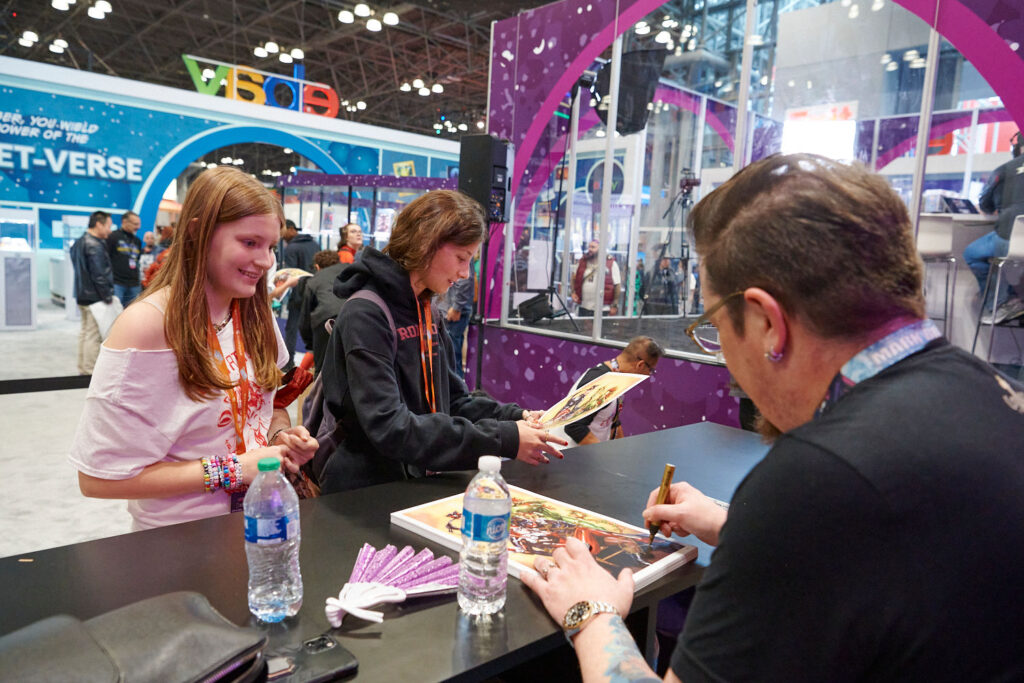
Despite being digital natives, Gen Z is increasingly seeking out in-person experiences as a form of relief from screens. Research from Pion found that Gen Z expects hybrid experiences from brands, something they can attend in real life and then take back to their social channels. The physical and digital, phygital if you will, aren’t competing. They’re complementary. But the physical moment has to be worth showing up for.
This is the gap that experiential marketing fills. Digital builds awareness. IRL builds belief. When someone walks through an environment a brand has created, touches the materials, talks to someone who genuinely knows the product, and finds a moment worth sharing, something different happens in their relationship with that brand. It’s not something a well-targeted ad can replicate.
For brands trying to break through to Gen Z, that in-person moment is often the first one that actually sticks.
4. If It Can’t Be Shared, It Doesn’t Exist
There’s a practical dimension to Gen Z’s relationship with experiences: they document everything. Not as narcissism, but as communication. Sharing an experience on social media is how this generation signals identity, values, and taste to the people they care about.
The numbers behind this are significant. According to Flockler, Instagram posts featuring user-generated content see 70% higher engagement than posts without it, and consumers find UGC 2.4 times more authentic than brand-created content. When a Gen Z consumer films themselves inside a well-designed brand activation and posts it, that content carries more credibility with their followers than almost anything the brand could produce on its own.
This changes how experiential marketing gets designed. Shareability can’t be an afterthought. The best experiential activations are built from the ground up with visual moments, content opportunities, and environments that naturally invite documentation. An experiential marketing agency that understands Gen Z thinks about the social life of an activation from the first concept conversation, not the last.
5. What Does Gen Z Actually Want From Brand Experiences?
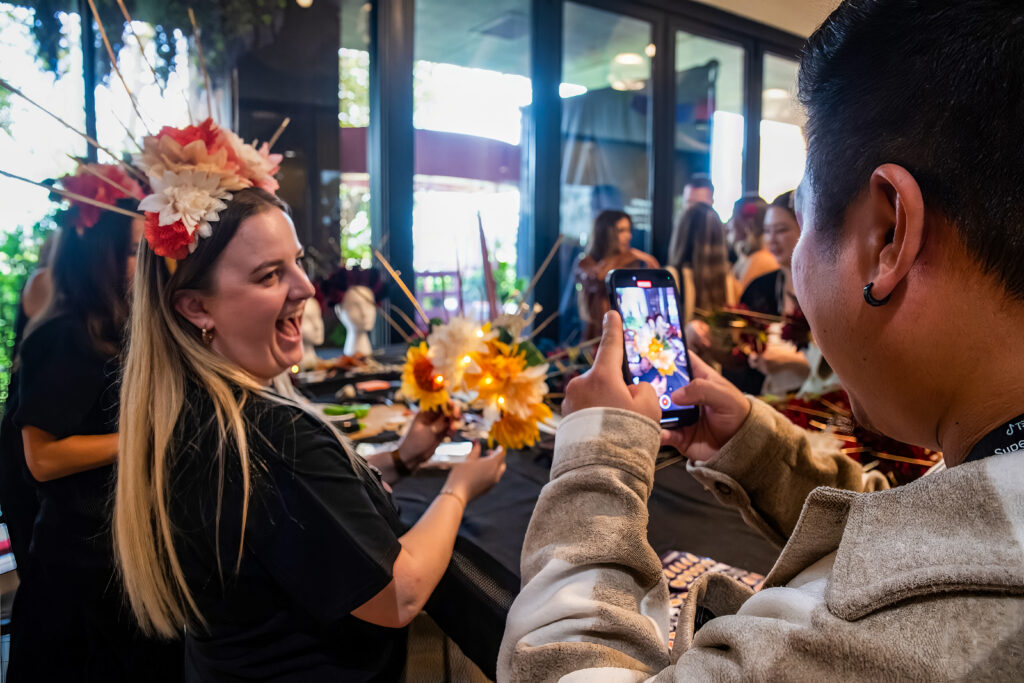
The specific things Gen Z responds to in experiential marketing are consistent across research: mobile integration, authenticity, participation, values alignment, and shareable content. Understanding those expectations helps brands design activations, pop-ups, and live experiences with more precision.
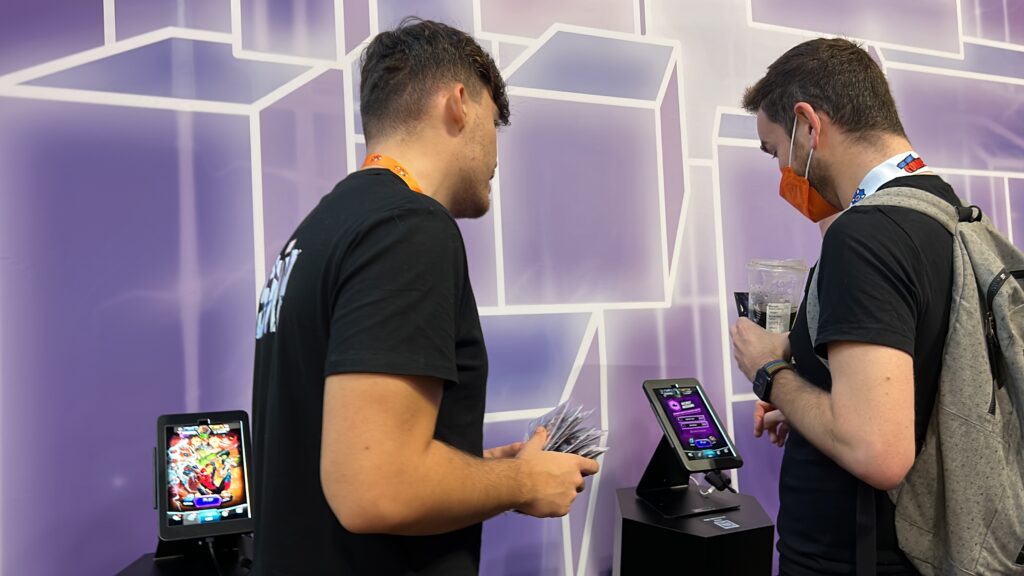
- Mobile-native ecosystems. Every touchpoint in a brand activation should work seamlessly with the phone. QR integrations, digital giveaways, real-time social prompts, and frictionless content capture all extend the experience beyond the physical space and give it a longer life online.
- Authenticity over perfection. Gen Z spots a manufactured moment immediately, and they’re not forgiving about it. Experiences that feel rehearsed or overly corporate read as inauthentic. The activations that resonate are the ones that feel designed for the audience, not performed at them.
- Participation-first design. Experiences that let people do something, make something, choose something, or influence something outperform passive displays. Gen Z wants agency. The experience should give them a role, not just a view.
- Values-led storytelling. According to research from Camphouse, 64% of Gen Z consumers are willing to pay more for environmentally sustainable products, and 25% have reduced or ended relationships with brands that engage in unsustainable practices. When the values embedded in an experience match the values of the audience, trust follows quickly.
- Content portability. The experience should travel. Moments worth keeping, sharing, and talking about are the ones that turn a single activation into weeks of earned reach across social platforms.
6. Why Do Brands Struggle to Adapt to Experiential Marketing?
The challenge for most brands isn’t willingness. It’s institutional inertia.
Many organizations have deep roots in what they know: digital campaigns, paid media, polished content. Experiential marketing asks brands to operate differently, to build environments where the audience leads and outcomes are less predictable. For teams optimized around click-through rates and conversion data, that shift can feel uncomfortable.
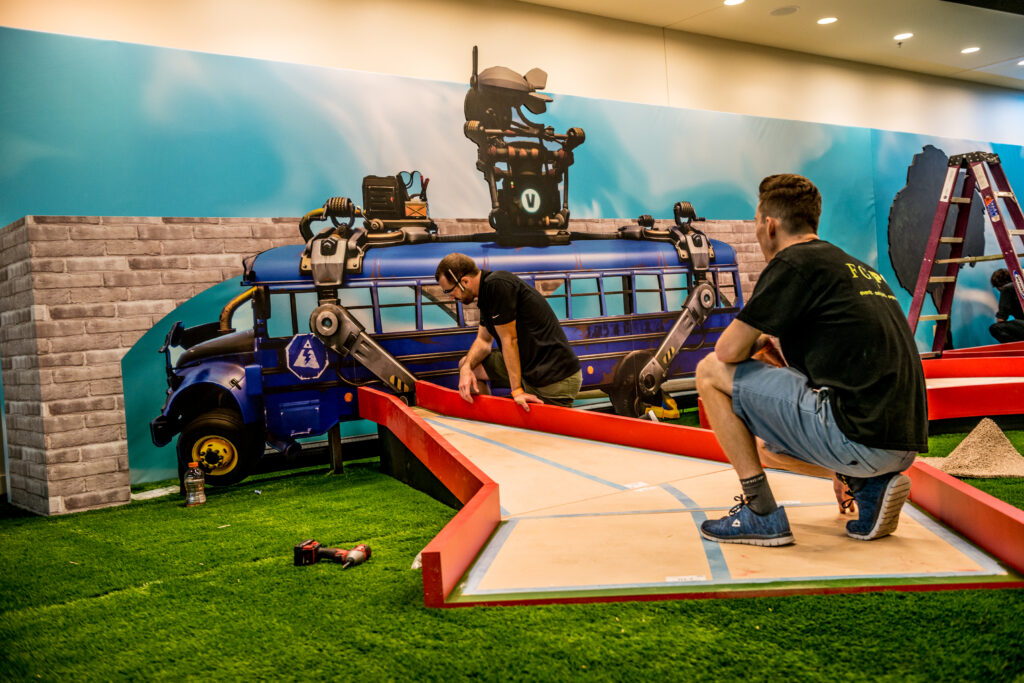
There’s also a craft gap. Building a world-class in-person experience or brand activation requires a very different skill set than producing a digital campaign. The production complexity of fabrication, the spatial design disciplines, the event logistics, the technology integration, and the real-time staffing all demand specialized expertise that most brand teams don’t have in-house.
That’s not a criticism. It’s the reason experiential marketing agencies exist.
7. What Is the Role of an Experiential Marketing Agency?
An experiential marketing agency brings together the strategic, creative, and production capabilities that brands need to execute at the level Gen Z expects.
The value isn’t just execution. The right agency thinks alongside a brand from the beginning, asking the questions that shape whether an activation will land: Who is the audience, and what do they actually want to do here? What does the brand stand for, and how does this experience communicate that without a word being said? What’s the social story, and how does the physical design support it?
At FGPG, we describe this as Experience First Marketing. The experience is the strategy, not a decoration on top of it. Every material choice, every spatial flow, every interactive moment is a decision that either reinforces the brand relationship or dilutes it. Getting that right requires creative vision, fabrication capability, production expertise, and the kind of on-the-ground experience that only comes from years of building things that had to work in front of real people.
8. How Should Brands Design Experiential Activations for Gen Z?
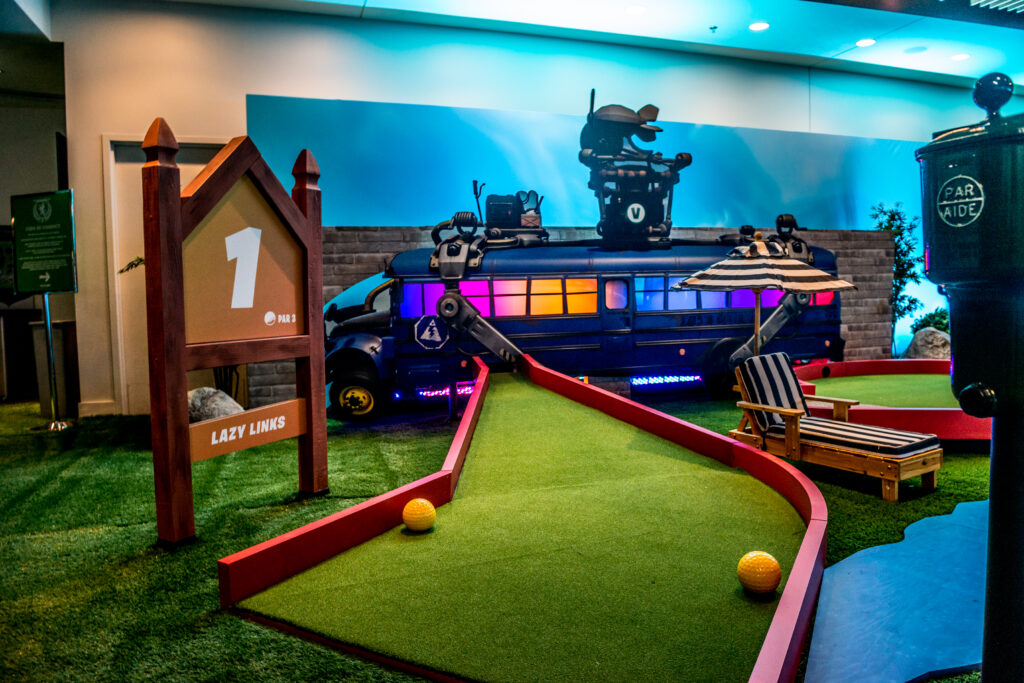
When FGPG approaches an experiential activation for a brand targeting Gen Z, the framework starts with a simple idea: design the experience around what people will feel, do, capture, and remember.
- Start with emotion. What do you want someone to feel the moment they walk in? Not think. Feel. That emotional target drives every design decision that follows.
- Design for interaction. Map the space around what people will do, not just what they’ll see. Dwell time, traffic flow, and engagement mechanics all shape whether someone spends two minutes or twenty.
- Engineer shareability. Identify the moments worth capturing before you build them. Then design backward from those moments to make sure the lighting, framing, and context are all working together.
- Integrate technology thoughtfully. Technology should deepen the experience, not distract from it. AR, interactive installations, and digital integrations add value when they’re tied to the experience’s emotional core, not layered on top of it.
- Measure behavior. Define what a successful interaction looks like before the event opens. Then track dwell time, interactions, content captures, and social reach to understand what actually worked and build smarter next time.
9. From Product to Participation
A brand is no longer just something a company builds and broadcasts. It’s something a brand creates together with its audience.
That shift in ownership changes the whole creative brief. The question is no longer “how do we make people want this?” The question is “how do we make people feel like this is theirs?”
Experiential marketing answers that question more directly than almost any other format. A well-designed activation invites someone into a brand world, gives them something meaningful to do inside it, and sends them back out into their social circle as a genuine advocate. That arc, from visitor to participant to advocate, is the one brands need to get right with Gen Z.
10. The Competitive Reality for Brands Targeting Gen Z
Gen Z’s consumer influence is growing fast. According to Numerator, Gen Z’s share of total consumer spending more than doubled from 2.6% in 2020 to 6.1% in 2025.
The brands building genuine relationships with them now are establishing ground that will be very difficult for competitors to reclaim later.
The window to get this right isn’t closing, but it is narrowing. As more brands invest in experiential marketing and raise the benchmark for what a good activation looks like, the cost of a mediocre one goes up. Showing up at an event or pop-up with a generic footprint and a branded hashtag won’t cut it with an audience that can immediately tell the difference between something designed for them and something designed to check a box.
Ready to Build Something That Resonates?
Connecting with Gen Z through experiential marketing takes more than a great idea. It takes creative vision, fabrication capability, and the strategic instinct to turn that idea into something people will show up for, stay for, share, and remember.
That’s what FGPG brings to the table. If your brand is thinking about what the next chapter of experiential marketing should look like, we’d love to start that conversation.
Let’s create something amazing.
Quick Summary
Gen Z is reshaping brand marketing by demanding participation, authenticity, and shareability from every brand interaction. This post explores why experiential marketing has become the most effective way to reach this generation, and outlines the strategic framework brands and their agency partners should follow to design experiences that convert visitors into advocates.
FAQ's
-
What is experiential marketing, and why does it matter for brands?
Experiential marketing creates live, in-person brand moments designed to generate emotional connection, participation, and social sharing. For brands targeting Gen Z, it’s become one of the most effective tools for building trust and long-term loyalty with a generation that’s skeptical of traditional advertising.
-
How does Gen Z respond differently to brand experiences than previous generations?
-
What should a brand look for in an experiential marketing agency?