
How to Choose the Right Experiential Marketing Agency: 6 Questions to Ask

Experiential marketing has become one of the most powerful ways for brands to connect with audiences, but choosing the right agency to bring those experiences to life is not always straightforward. Many agencies claim experiential expertise, yet their approaches, capabilities, and philosophies can vary widely.
For marketing directors evaluating potential partners, knowing what to look for is just as important as knowing what to avoid.
This guide breaks the decision down into a practical framework, built around the questions that matter most when selecting an experiential marketing agency:
- Whether the agency truly specializes in experiential work
- How well they align strategy, creative, and execution
- The depth of their creative and cultural insight
- How they measure success and ROI
- What it is actually like to work with them
- Common red flags to watch for
Let’s start by looking at how to identify agencies that are genuinely built for experiential marketing, not just event execution.


1. Does the Agency Truly Specialize in Experiential Marketing?
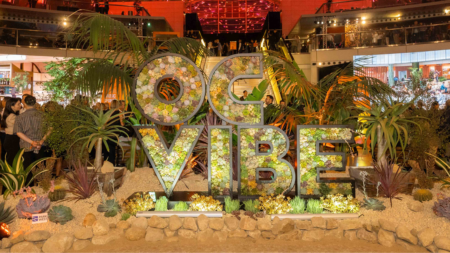
A true experiential marketing agency is built around experience-led thinking, not just event execution. Specialization shows up in how the agency plans, designs, and measures human-centered brand moments from the start.
Before moving forward, it helps to clarify what experiential specialization actually looks like in practice:
- A clear emphasis on audience experience, not just visual design
- A portfolio that spans multiple experience types, such as live events, pop-ups, and immersive environments
- Teams that understand how physical and digital touchpoints work together
- A repeatable process developed through years of hands-on execution
These signals indicate an agency that understands experiential marketing as a discipline, not a trend. Once you confirm that focus, the next step is determining whether their internal structure supports consistent execution from idea to reality.
2. Can They Align Strategy, Creative, and Execution From the Start?
The strongest experiential agencies connect strategy, creative, and production from day one so the final experience feels intentional, cohesive, and executable. Alignment early on prevents breakdowns later.
A tightly integrated approach typically includes the following:
- Strategic goals are defined before creative concepts take shape
- Creative teams collaborating directly with production and technical experts
- Execution realities informing design decisions, timelines, and budgets
- Clear ownership of the experience from concept through delivery
This type of alignment leads to faster iteration, fewer surprises, and more consistent outcomes. It also creates a smoother working relationship for brand teams, since decisions are made with full visibility into constraints and opportunities.

3. How Strong Is Their Creative Thinking and Cultural Insight?
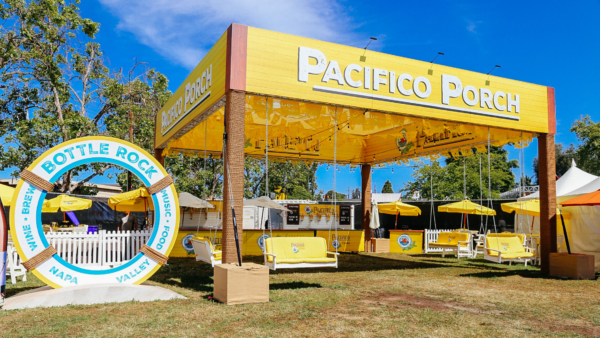
Strong experiential creativity is driven by audience insight and cultural relevance, not just bold visuals. The best agencies design experiences that feel timely, intentional, and emotionally resonant.
When evaluating creative strength, look for evidence that ideas are rooted in insight, not novelty alone:
- Concepts tied to audience behavior, values, or shared cultural moments
- Experiences designed around interaction and flow, not static displays
- Creative rationales that explain why an idea works, not just what it looks like
This level of thinking signals an agency that treats creativity as a strategic tool, not decoration. Once creative intent is clearly defined and culturally grounded, the next question becomes how that creativity is measured and validated after the experience goes live.
4. How Do They Measure Success and Prove ROI?
A credible experiential marketing agency defines success before the event and backs it up with clear, relevant metrics after. Measurement should connect experience to business outcomes, not just attendance.
Experiential marketing can serve many goals, from increasing brand awareness to generating qualified leads or driving sales. What matters is whether the agency can translate those goals into measurable outcomes. Agencies that treat measurement as an afterthought often default to surface-level stats that offer little insight into actual performance.
Strong agencies align metrics with intent and communicate them clearly:
- Pre-event success criteria tied to business objectives
- Engagement-focused metrics such as dwell time, interactions, or content capture
- Post-event reporting that connects experience data to broader marketing KPIs
Just as important are the warning signs. Vague promises, unclear benchmarks, or a lack of post-event analysis should raise concerns. Without concrete measurement, it becomes difficult to justify investment or improve future activations.
5. What Will the Working Relationship Actually Look Like?
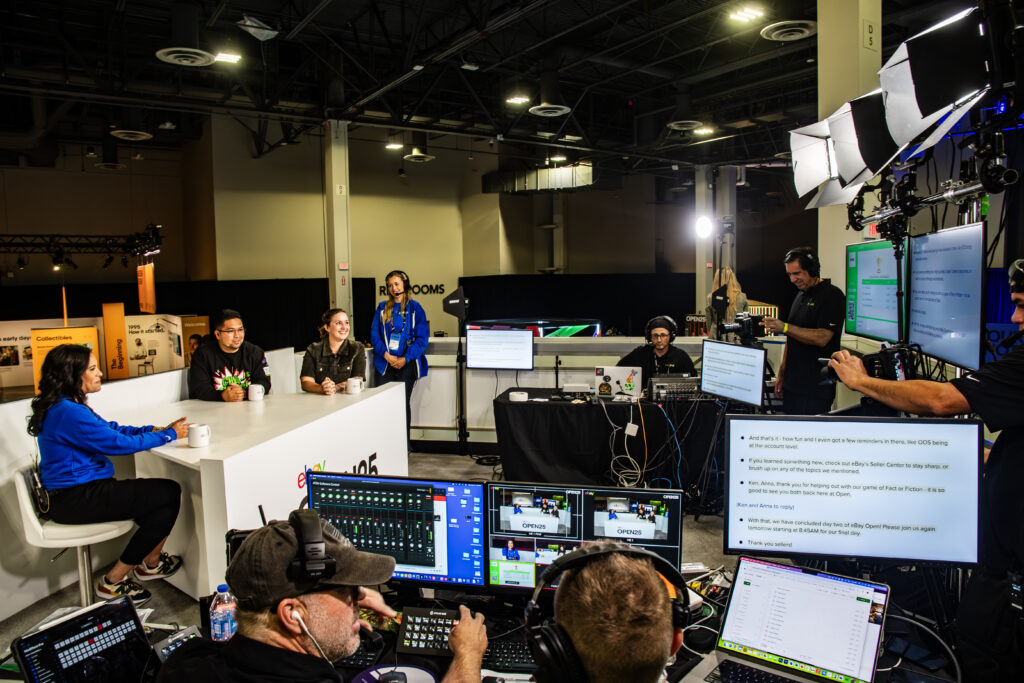
The right experiential agency operates as a true partner, not a vendor, with clear communication, shared ownership, and a collaborative mindset throughout the engagement.
Because experiential marketing involves fast timelines and many moving parts, the day-to-day working relationship matters as much as creative output. Agencies that integrate well with internal teams tend to reduce friction, surface issues earlier, and adapt more effectively as projects evolve. This partnership dynamic is often visible long before a contract is signed.
Strong working relationships typically include:
- Clear points of contact and defined roles on both sides
- Consistent communication and transparent decision-making
- A collaborative approach that values client input and feedback
Pay attention to how the agency communicates during early conversations. Responsiveness, clarity, and curiosity about your brand are strong indicators of how they will behave once work begins. When expectations and collaboration styles are aligned, execution becomes smoother, and creative ideas have more room to succeed.
6. What Are Common Red Flags When Choosing an Experiential Agency?
Red flags often appear early and usually point to gaps in strategy, execution, or accountability. Recognizing them upfront can save time, budget, and internal frustration.
Not every issue is obvious in a pitch deck. Some warning signs only emerge when you ask the right questions or look closely at how the agency operates. Being aware of common pitfalls helps narrow your shortlist with confidence.
Watch for these common red flags:
- Big ideas with little substance: Concepts that sound impressive but lack clear objectives, feasibility, or rationale.
- Fragmented teams and heavy outsourcing: Excessive handoffs that increase risk, slow timelines, or dilute accountability.
- Weak discovery and strategy process: Little effort to understand your brand, audience, or success criteria before proposing solutions.
Spotting these issues early makes it easier to identify agencies that are truly equipped to deliver cohesive, experience-led work.
How to Choose the Right Experiential Marketing Agency With FG|PG
Choosing the right experiential marketing agency means looking beyond surface-level ideas and asking deeper questions about specialization, alignment, creativity, accountability, and partnership. The agencies that excel are those that treat experiences as strategic tools, not one-off events, and who can carry a vision from concept through execution with clarity and purpose.
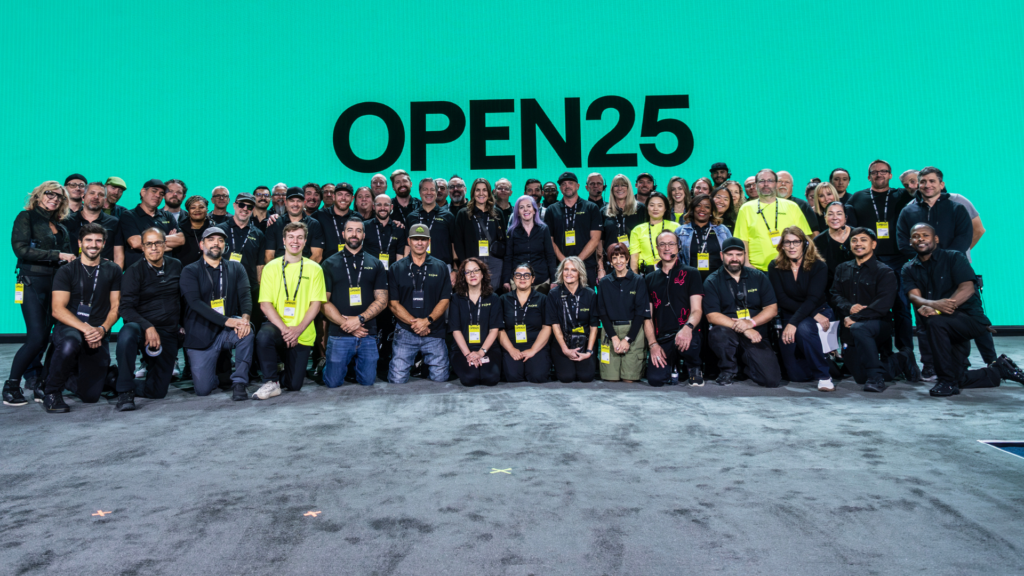
If you’re evaluating partners and want an experiential marketing agency that checks the boxes that truly matter, FG | PG brings an experience-first approach designed to connect people and brands in meaningful ways.
Reach out to FG|PG today to start a conversation about how the right experience can move your brand forward.
Key Takeaways
Choosing the right experiential marketing agency requires more than evaluating creative ideas. This guide outlines the key questions marketing directors should ask to assess specialization, creative alignment, measurement, collaboration, and execution. Together, these criteria form a practical framework for selecting an agency built to deliver meaningful, experience-led brand impact.
FAQ: How to Choose the Right Experiential Marketing Agency
-
What makes an experiential marketing agency different from an event agency?
Experiential agencies focus on designing emotional, audience-centered brand moments, not just executing events. Their work integrates strategy, creative, and execution to create lasting impact.
-
How can brands evaluate an agency’s creative quality?
-
Why is measurement important in experiential marketing?
LET’S BUILD YOUR NEXT EXPERIENCE