Learning How to Budget for Your Next Trade Show

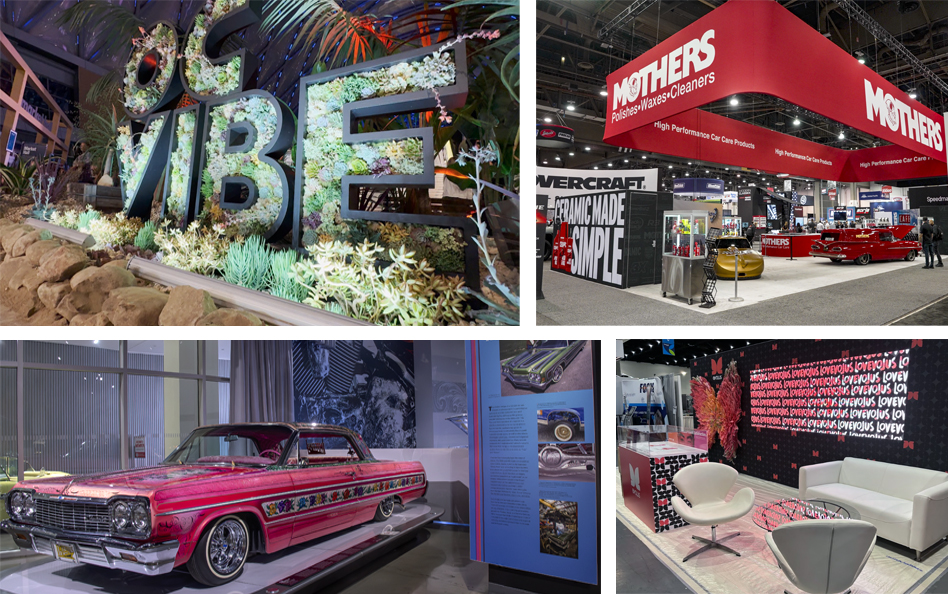
trade show booth for auto show

Trade shows remain one of the most powerful platforms for face-to-face brand engagement. But without a strategic approach to trade show budgeting, even the most visually impressive booth can fall short of its potential. Smart budgeting ensures every dollar supports measurable business outcomes, from qualified leads to long-term brand equity.

In this guide, we’ll cover:

  • How to align trade show budgeting with business strategy
  • The essential cost categories you need to plan for
  • Where to invest for maximum engagement and ROI
  • How to build flexibility into your budget
  • How to measure performance and avoid common mistakes

Let’s start by aligning your budget with clear business objectives.

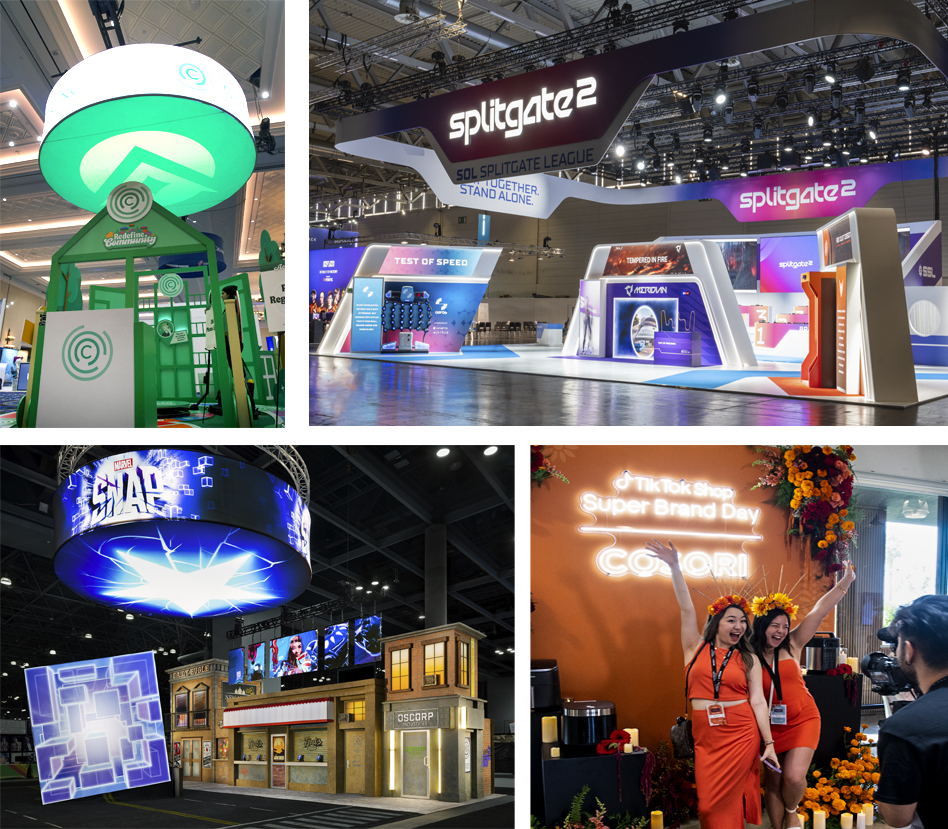
technology trade show booth with led lights and modern design

How Should You Align Trade Show Budgeting with Business Strategy?

Trade show budgeting should begin with measurable business objectives. Your budget is a strategic tool that translates goals into action.

Define what success looks like before allocating dollars. A booth built to generate qualified leads requires a different financial structure than one focused on brand awareness or product launches. Clear objectives prevent overspending on aesthetics while underfunding engagement tools that drive measurable outcomes.

Start with outcome-based planning. Ask:

  • Are we prioritizing brand visibility, pipeline growth, or market education?
  • What KPIs will define success, such as cost per lead or engagement time?
  • How will this event support broader marketing and sales initiatives?
  • What does a successful post-show follow-up process require?

Each of these questions shapes how resources are distributed. When goals are specific and measurable, trade show budgeting becomes focused rather than reactive.

Modern experiential marketing demands accountability. Leadership teams expect attribution, not impressions alone. By aligning spend with performance metrics from the outset, you ensure every dollar contributes to revenue impact, brand equity, or customer acquisition.

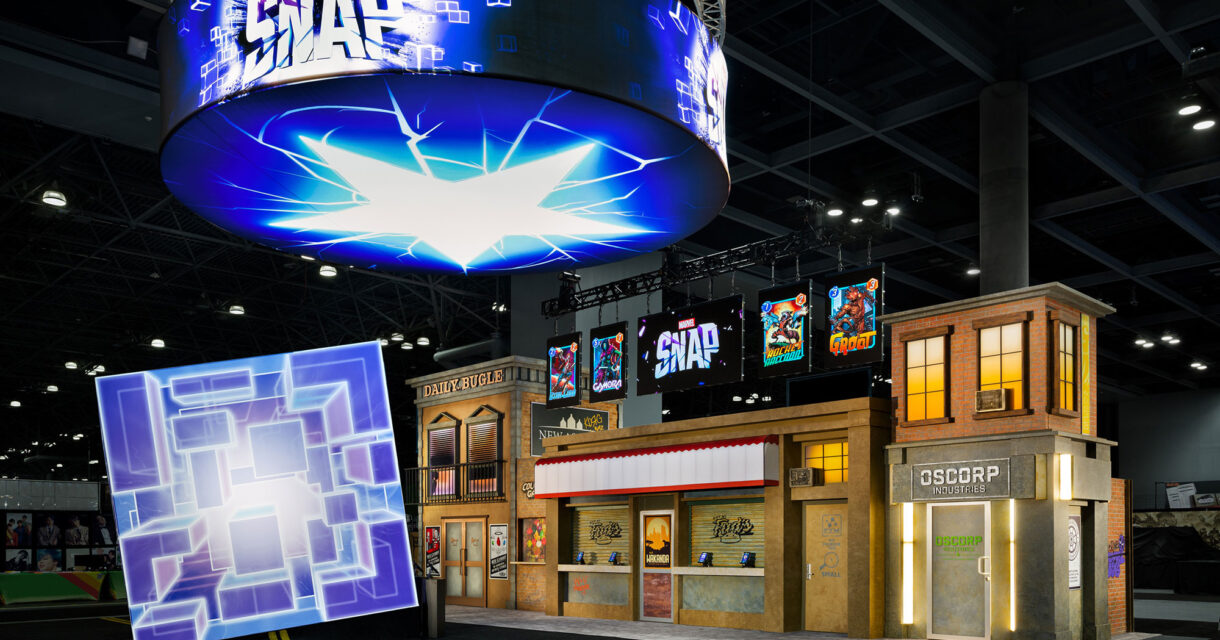
Experiential marketing booth design for Poki

What Costs Should You Include in Trade Show Budgeting?

Effective trade show budgeting requires a comprehensive view of all cost categories, not just booth design. Hidden expenses often erode ROI when they are not planned for upfront.

A well-structured budget accounts for both visible investments and operational realities. Experiential marketing today involves logistics, technology, staffing, and promotion working in sync. Overlooking even one category can create last-minute financial strain or force compromises that dilute impact.

Core Trade Show Budget Categories Typically Include:

  1. Booth Space and Show Fees – Exhibit space rental, sponsorship packages, utilities, internet access.
  2. Booth Design and Fabrication – Custom or modular structures, graphics, storage, refurbishment.
  3. Technology and Engagement Tools – Interactive displays, lead capture systems, digital screens, immersive elements.
  4. Staffing and Training – Travel, lodging, on-site labor, brand and sales training.
  5. Logistics and Operations – Shipping, drayage, installation, dismantle, insurance.
  6. Marketing and Promotion – Pre-show campaigns, social media, paid ads, email outreach.

Once you understand where the money goes, the next step is deciding where it should make the biggest impact.

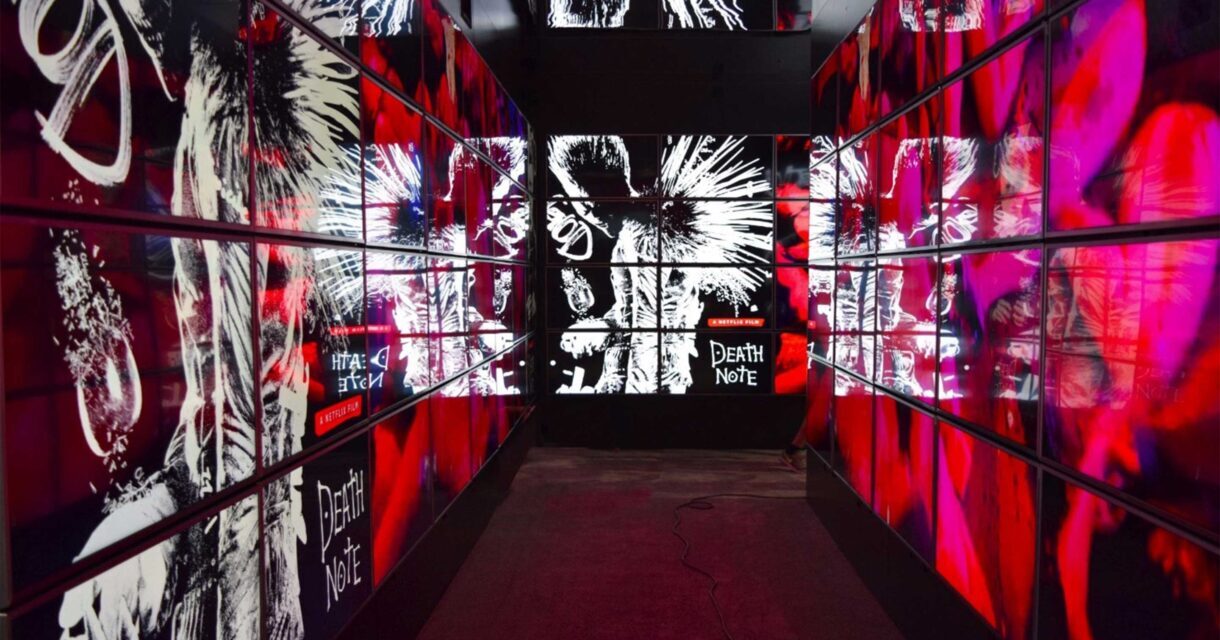
Popular interactive marketing booth for Lumix

Where Should You Invest for Maximum Impact in Trade Show Budgeting?

In trade show budgeting, impact comes from engagement, not excess. The highest returns typically come from investments that spark meaningful interaction and support your brand story.

Once core costs are accounted for, prioritization becomes strategic. Not every booth element carries equal weight. A larger structure may attract attention, but a well-trained team and compelling interactive experience often generate stronger lead quality and longer engagement times. The goal is cohesion, not clutter.

Focus Spending Where Engagement Actually Happens:

  • Interactive experiences that invite participation
  • Clear brand storytelling across visuals and messaging
  • Well-trained booth staff who can qualify and convert leads
  • Technology that simplifies data capture and follow-up
  • Creative elements that differentiate without overwhelming

Smart trade show budgeting balances spectacle with substance. When investment decisions are rooted in engagement and performance, your booth becomes more than a display. It becomes a revenue driver.

Experiential marketing booth for Illinois

How Do You Build Flexibility into Trade Show Budgeting?

Live events are dynamic. Shipping costs fluctuate. Labor rates shift. Creative upgrades arise at the last minute. Without financial breathing room, small disruptions can trigger rushed decisions or diluted execution. Smart budgeting anticipates variability rather than reacting to it.

Protect Your Investment with These Flexibility Principles:

  • Allocate 5 to 15 percent of your total budget as contingency funds
  • Confirm vendor timelines and cancellation terms early
  • Monitor cost drivers such as logistics and on-site labor
  • Maintain agile approval processes for quick pivots

A contingency fund is not excess spending. It is strategic insurance. It allows you to adapt, innovate, and solve problems without sacrificing quality.

How Do You Measure ROI in Trade Show Budgeting?

Trade show budgeting is only successful if it produces measurable business results. ROI should be defined before the event and evaluated immediately after.
Many organizations still default to counting badge scans. That metric alone is incomplete. Modern experiential marketing demands deeper performance indicators that connect event spend to pipeline growth and revenue influence. When ROI metrics are established early, budgeting decisions become sharper and more defensible.

Key Performance Metrics to Track Include:

  • Cost per qualified lead
  • Cost per engagement or interaction
  • Meetings booked on-site
  • Pipeline value influenced by the event
  • Post-show conversion rate

Data collection must be intentional. Lead capture systems, CRM integration, and clear qualification criteria ensure clean reporting. Post-event debriefs should compare projected outcomes with actual results and identify opportunities for refinement.

Trade show budgeting becomes more powerful over time. Each event generates insights that improve forecasting, allocation, and performance modeling for future shows.

Lakeshore trade show booth with interactive elements

What Are the Most Common Trade Show Budgeting Mistakes?

Most trade show budgeting failures stem from underestimating operational costs or overestimating visual impact. Avoidable mistakes can quietly erode ROI long before the event begins.

Even experienced marketing teams can misallocate funds when planning timelines are compressed or goals are unclear. Strategic budgeting requires discipline and a full-spectrum view of execution.

Common Trade Show Budgeting Mistakes Include:

  • Underestimating shipping, drayage, and on-site labor costs
  • Overspending on booth structure while underinvesting in staffing
  • Neglecting pre-show marketing and audience outreach
  • Skipping contingency planning
  • Failing to define and track ROI metrics

Each of these missteps reduces performance leverage. The good news is they are preventable with early planning and strategic alignment.

cars commerce demo booth

FG|PG and Strategic Trade Show Budgeting That Drives Results

Trade show budgeting is more than financial planning. It is strategic decision-making that shapes engagement, performance, and ROI. By aligning objectives, accounting for full cost categories, prioritizing impact, building flexibility, and measuring outcomes, your event becomes a revenue engine rather than a line item.

At FG|PG, we help brands translate vision into measurable experiential success. When you’re ready to build a smarter, more strategic trade show presence, let’s design it together.

Quick Summary

Trade show budgeting should start with clear business objectives and measurable ROI, not just cost estimates. This guide outlines how to align spending with strategy, plan for core expense categories, prioritize high-impact investments, build contingency flexibility, and track performance metrics that connect event spend to pipeline growth. When approached strategically, trade show budgeting becomes a growth driver rather than a cost center.

Trade Show Budgeting FAQs

  • What is trade show budgeting?

    Trade show budgeting is the process of strategically planning and allocating financial resources for a trade show or experiential activation. It aligns event spending with defined business objectives and measurable outcomes.

  • How much should you set aside for contingency in trade show budgeting?

  • How do you measure ROI from a trade show?

Skip to content