
The Exhibitor’s Playbook: How to Stand Out at Money 20/20
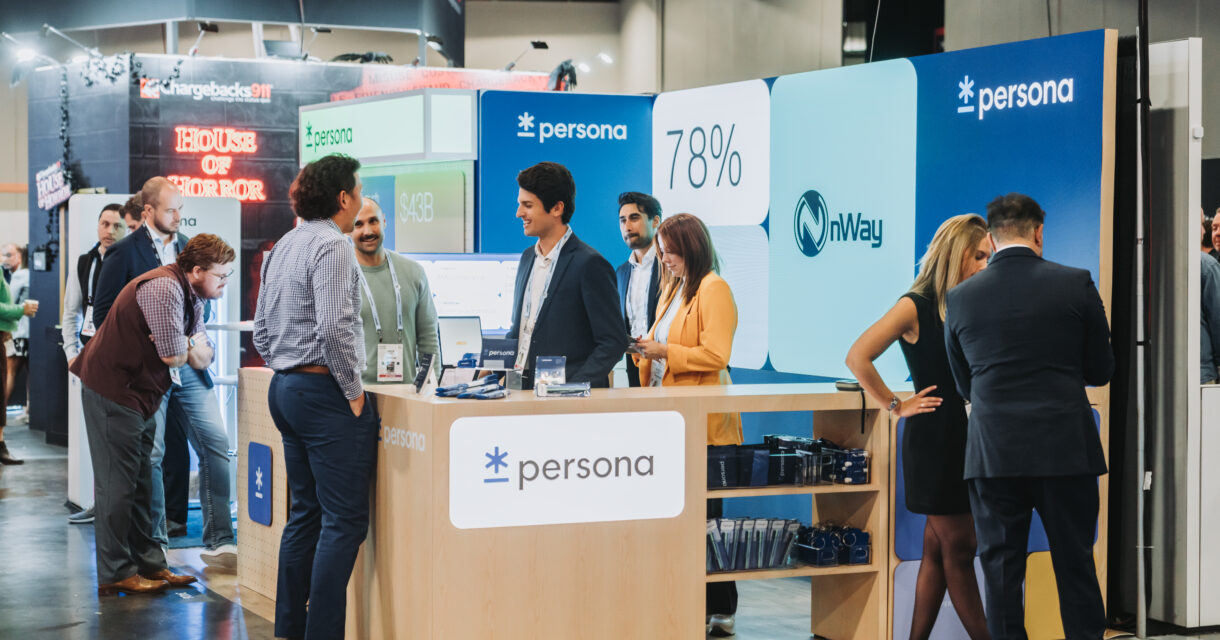
If you’re a fintech brand with a booth at Money 20/20 Las Vegas 2026, you already know the stakes. This is the biggest stage in the global money ecosystem, and the room is filled with exactly the people you want to reach. But knowing that and actually making the most of it are two very different things.
October 18–21 at The Venetian is going to move fast. Over 13,000 attendees from dozens of countries, 3,000+ leading companies, and 380+ sponsors all competing for the same eyeballs, the same conversations, and the same handshakes. The brands that walk away with real results aren’t necessarily the ones with the biggest booths. They’re the ones that showed up with a plan.
At FGPG, we’ve spent 25 years helping brands turn trade show floor space into genuine human connection. Here’s how to approach Money 20/20 2026 like you mean it.
Start With a Clear Objective (Before You Touch the Design)
The single most common mistake exhibitors make at a show like Money 20/20 is jumping straight to aesthetics. The booth looks great. The backlit logo is perfect. And then the show ends and the team isn’t sure what it accomplished.
Before any creative work begins, nail down what success actually looks like for your brand. Are you launching a product? Filling a pipeline with qualified enterprise leads? Building brand credibility with a C-suite audience? Recruiting? Announcing a partnership?
Every one of those goals translates into a completely different booth experience. A product launch calls for theater and storytelling. Lead gen calls for engagement mechanics and meeting flow. Brand credibility calls for design sophistication and thought leadership positioning. When the objective is clear, every decision, from square footage to furniture to staffing, gets easier and smarter.
Money 20/20 draws an audience where one in three attendees holds a C-suite title. That’s an extraordinary concentration of decision-makers in one place. The question worth asking early is: when those people walk by your booth, what do you want them to feel, understand, and do?
Plan Your Timeline Around the Show, Not Backward From It
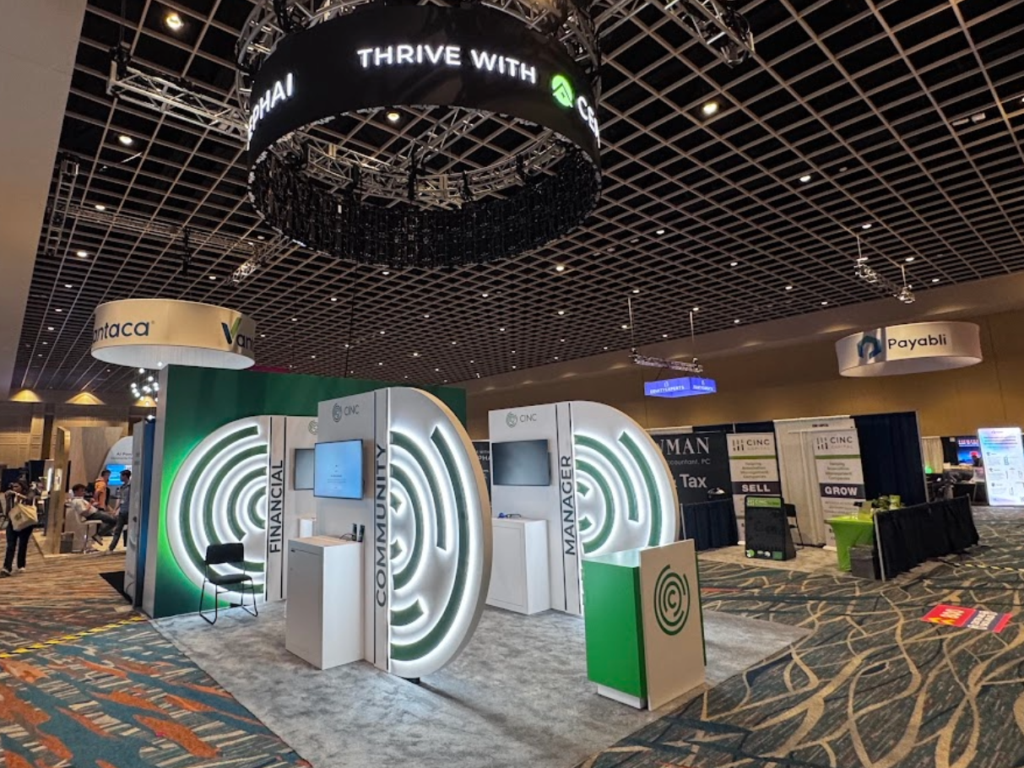
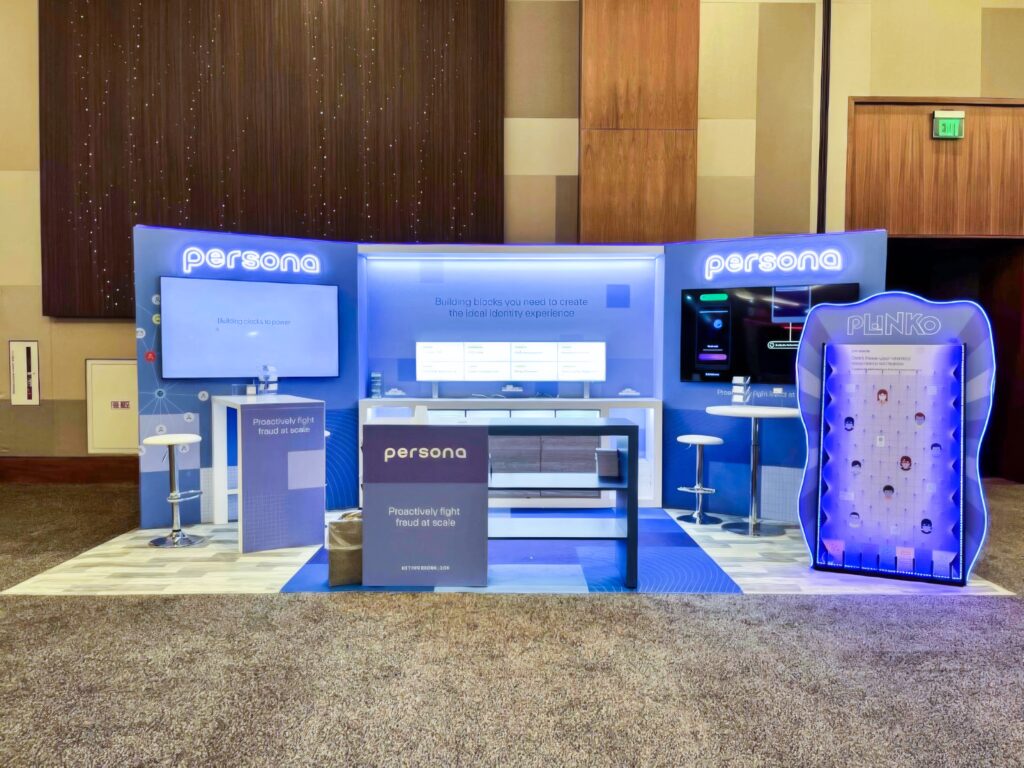
October might feel far away right now, but for a show of this scale, the clock is already ticking. Money 20/20 attracts over 380 sponsors, and the best real estate on that show floor goes fast. So does fabrication capacity at quality shops.
Here’s a general planning timeline to keep in mind for a late October show:
- 6+ months out (now through spring): Lock in your booth space and square footage. Get your fabrication partner engaged so there’s creative breathing room, not crunch mode. This is when the best concepts get made.
- 4–5 months out: Finalize booth design and begin fabrication. Identify your pre-show meeting targets and set up your appointment cadence. Money 20/20 has built-in networking tools for this, and the exhibitors who use them early have a significant edge.
- 2–3 months out: Nail down staffing, messaging, and the specific conversations you want your team to be having on the floor. Train everyone on the booth story, not just the product features.
- 1 month out: Logistics, shipping, installation coordination, and a contingency buffer for anything that comes up. There’s always something.
Building in lead time is not about being overly cautious. It’s about protecting the quality of the finished experience.
Design for the Room, Not Just for Your Brand
Money 20/20 2025 showed the industry something important: the show floor has evolved into a full-on experiential environment. The event itself features live podcast stages, AR activations, immersive networking spaces, and an AI-hosted main stage. The bar for what “good” looks like has gone up significantly.
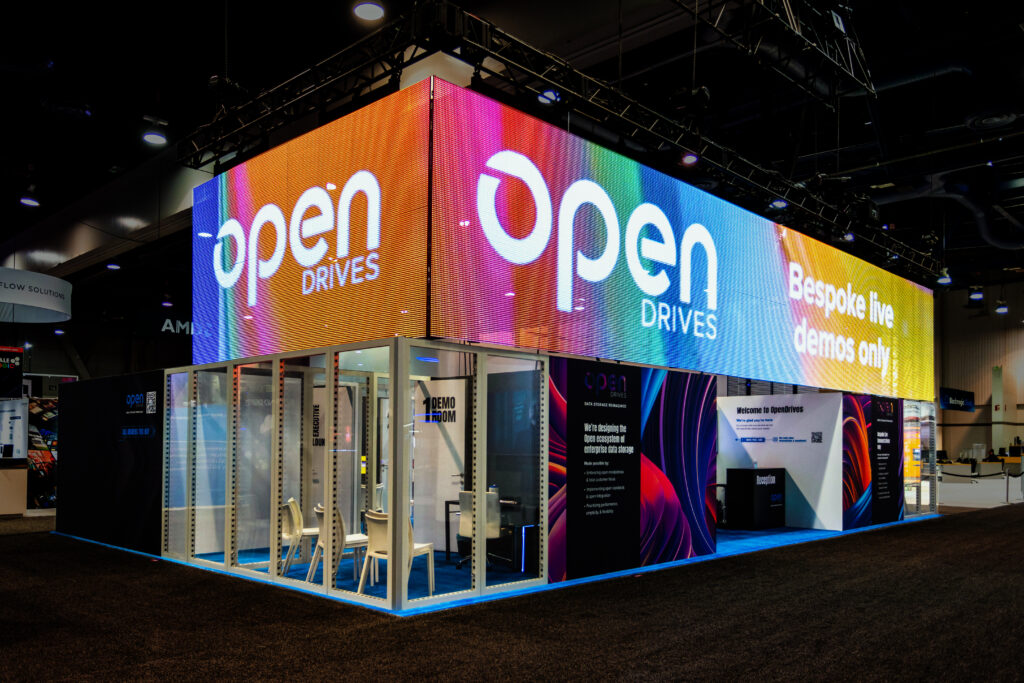
That doesn’t mean your booth needs to outspend the event itself. It means your booth needs to feel intentional and alive in the context of everything around it. A few principles that separate the booths people remember from the ones they walk past:
- Create a reason to stop. Whether it’s a demo, a conversation starter, a visual moment, or an interactive element, there needs to be a hook. If someone glancing from twenty feet away can’t find a reason to walk closer, the booth is doing too much work to explain and not enough work to attract.
- Give people something to do. Static booths at experiential shows feel like a mismatch. The best Money 20/20 exhibitors in 2025 built engagement mechanics directly into their footprint — live podcast setups, exclusive access models, hands-on demos, and curated meeting environments. Your booth should have a natural flow that moves people through a mini-experience rather than just a sales conversation.
- Make the brand feel credible at scale. Fintech is a trust business. Your booth design is a physical expression of how your company thinks and operates. Clean, confident, and well-crafted design sends a message before a single conversation happens.
- Design for conversation, not just presentation. Some of the most effective booths are ones with comfortable places to sit and talk. Private meeting spaces. Quiet corners. Moments of hospitality. The deal gets done in the conversation, and the booth should enable that.
Build Flexibility Into Your Budget From the Start
Trade show budgets have a way of tightening at the worst moments if you haven’t planned for variability. Shipping gets complicated. An upgrade opportunity appears at the last minute. Something breaks during setup. None of that is unusual — it’s just the reality of live events at scale.
A smart approach is to treat your booth budget in layers. There’s your core investment: the fabrication, the design, the essentials that define the experience. Then there’s a contingency layer, typically 10–15% of total spend, that exists specifically for the moments you didn’t see coming. And then there are the optional enhancements — the things you’d love to add if budget allows — that get prioritized or cut based on where you are when the time comes.
This layered approach keeps you from making reactive decisions under pressure. When something unexpected comes up (and it will), you already have a plan for it.
It also helps to think about total cost of participation beyond just the booth. Booth space fees, travel and accommodations for your team, shipping, installation and dismantle labor, show services, pre-show marketing to drive traffic — all of it adds up quickly. The exhibitors who walk in clear-eyed about total spend are the ones who make better choices on what to prioritize.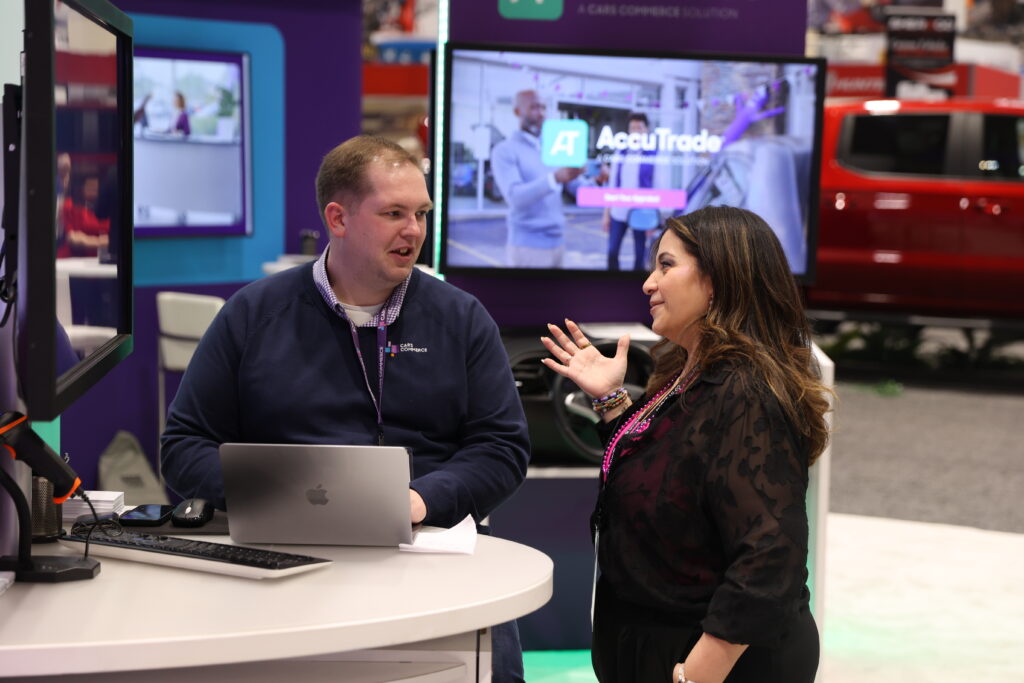
Measure What Matters After the Show
The show ends, the booth gets packed up, and then what? For too many brands, Money 20/20 lives or dies on a vague sense of how the week felt. That’s a missed opportunity.
Before you go, define the metrics that will tell you whether the investment paid off. That might be number of qualified meetings held, specific partnership conversations advanced, leads captured and scored, press mentions generated, or deals directly attributed to conversations at the show. Whatever the measure, agree on it before you arrive so the team knows what they’re tracking in real time.
The goal is to make Money 20/20 a learning experience as much as a business one. Every show makes the next show smarter, but only if you’re paying attention to what worked and what didn’t.
Ready to Build Something Worth Talking About?
Money 20/20 Las Vegas 2026 is a massive opportunity for fintech brands that show up prepared. The venue is world-class. The audience is unmatched. And the show floor has become a legitimate experiential environment that rewards creativity and intentionality.
At FGPG, we specialize in creating trade show experiences that connect brands with the people that matter most to them. From strategy and design through fabrication and on-site execution, we’re the partner you want in your corner for a show this important.
Let’s start the conversation. Connect with FGPG here.