
How FGPG Designs Summer Pop-Up Experiences That Stop People in Their Tracks
Summer is the season when people go outside, and brands follow. Event calendars fill up, foot traffic moves outdoors, and the window to meet an audience in the real world opens wide. A well-designed pop-up activation can do something no static ad can: stop someone mid-stride, pull them into a world you built, and turn a casual passerby into someone who feels something about your brand.
That last part is the key. Feels something.
Because pop-up shop activations are so much more than “small stores.” They are traveling brand environments that have to work in heat, wind, crowds, tight load-in windows, and five hours of constant foot traffic. The difference between a pop-up that performs and one that gets forgotten is not budget. It is a strategy, design intention, and a clear understanding of what the experience is supposed to do.
In this guide, we break down how we design summer pop-up activations that earn attention and hold it:
- Starting with a single, clear experiential purpose
- Designing for the outdoor environment, not just the rendering
- Choosing the right format for your tour plan
- Building for cameras, crowds, and repeatability
Each principle builds on the next, starting with the question every great pop-up has to answer before anything gets designed.
Why Pop-Up Shop Activations Must Start With One Clear Purpose
The most effective pop-up shop activations begin with clarity, not square footage. If you know exactly what the experience should do, every design decision that follows becomes easier and more intentional.
Before we concept anything, we ask one question: what is this pop-up supposed to make someone feel, do, or remember?
A pop-up can serve many functions. But it should not try to serve all of them at once. The design and experience architecture look completely different depending on the primary goal:
- Sampling and trial: The experience needs to feel effortless and fast. Flow, speed, and easy restocking are the design priorities.
- Retail and commerce: Secure product display, intuitive browsing, and a clear path to purchase come first.
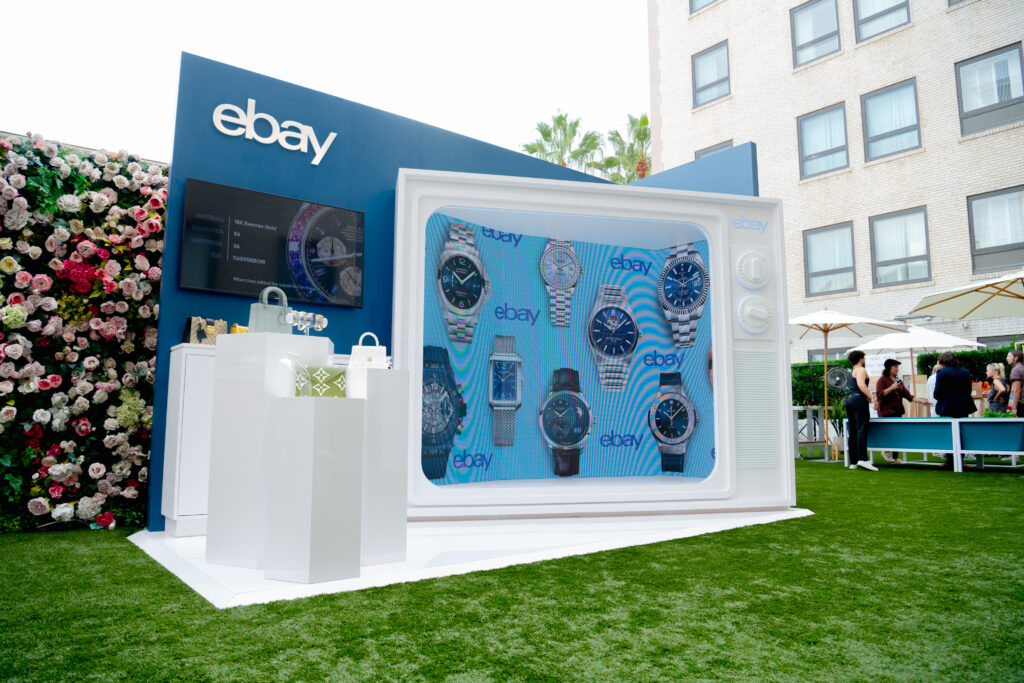
- Brand awareness: The pop-up needs a strong visual identity readable from 30 feet away and a signature moment worth photographing.
- Lead capture: Interaction points need to be quick and frictionless, with staff positioned to engage without creating bottlenecks.
- Product education: Demo zones and staff staging need to invite curiosity without overwhelming anyone.
If this question gets answered late, you feel it on-site. The line blocks the display. There is nowhere to store inventory. The hero element is invisible because the crowd is queuing right in front of it.
We push every client to define the primary purpose before the first design line is drawn, because it shapes everything from layout to material choices to how the space guides people through it.
What Purpose-First Design Looks Like in Practice
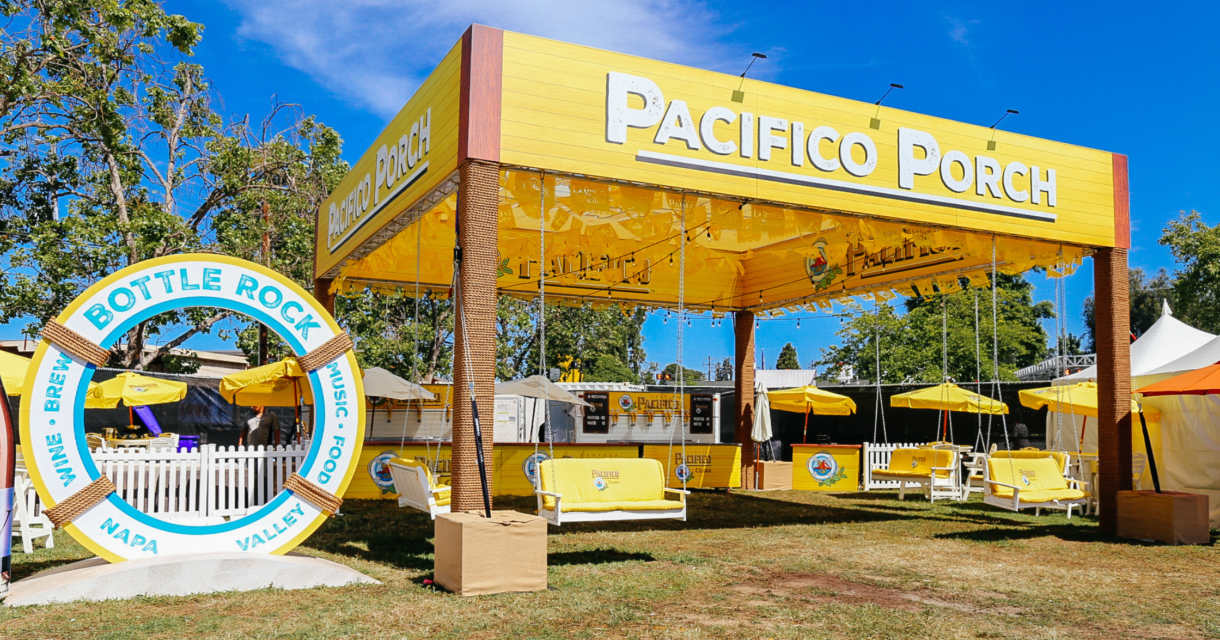
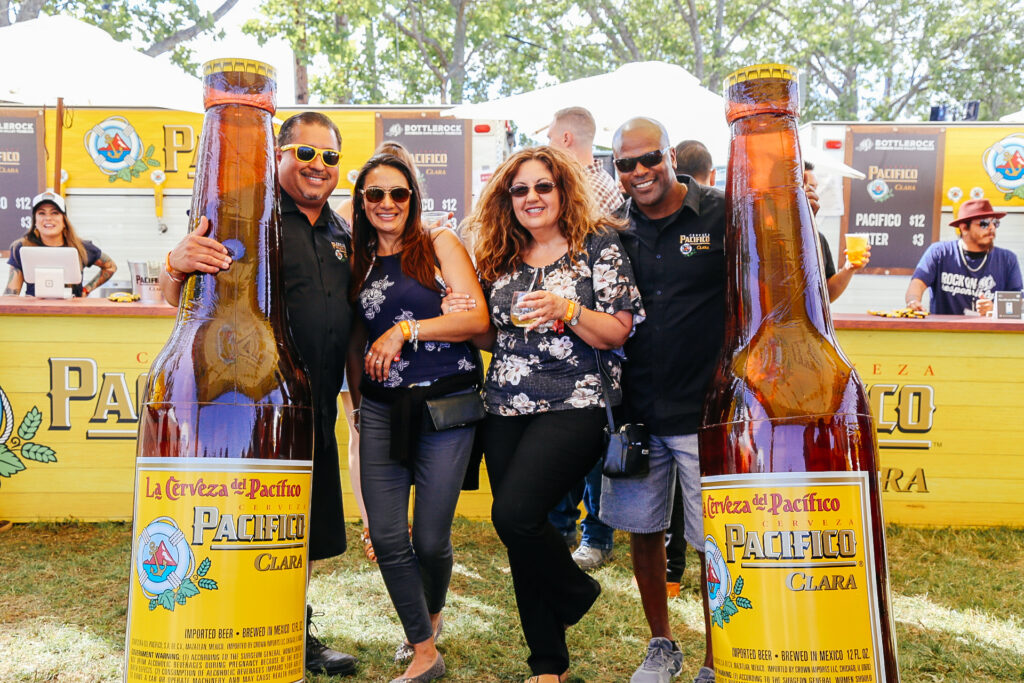
For the Pacifico Porch at BottleRock Music Festival, the purpose was clear from the start: create a destination that felt like a genuine escape from the festival chaos. A place people chose to be, not just stumbled into. Every design decision, from the shaded lounge structure to the material palette to the bar placement, flowed from that single idea.
When the purpose is defined early, the design stops being a series of individual decisions and becomes a system that works together.
Why Outdoor Reality Has to Drive Design (Not Just the Rendering)
Summer pop-up shop activations live in conditions that renderings cannot fully simulate. The design that looks flawless in a mockup can fall apart in the field if it is not built for what actually happens outdoors.
Heat changes materials. Wind loads matter. Crowds are unpredictable. And the event day timeline is almost always tighter than planned.
Before fabrication begins, every outdoor activation we design gets pressure-tested against real-world conditions:
- Sun and heat exposure: Materials expand. Adhesives behave differently. Glossy surfaces create glare. Staff needs shade, airflow, and a place to reset.
- Wind: Elevated signage, fabric structures, and lightweight features all have to be engineered for wind loads. Assuming it will be fine is not a plan.
- Foot traffic and surface wear: Finishes need to be cleanable. Flooring needs to be stable across turf, concrete, sand, and temporary decking. Display edges need to handle constant contact without showing it.
- Load-in windows: Festival timelines are tight. If setup requires complicated steps or specialized tools, the stress shows in the final product. A pop-up that goes up in ninety minutes looks better than one that went up in four.
The goal is always the same: build something that feels premium to the person walking up to it, and invisible in its execution to the team setting it up.
How Do You Choose the Right Pop-Up Format for Your Tour Plan?
Not every pop-up should be built the same way. The right structure depends on where you are going, how often you are moving, and what kind of presence the brand needs to make.
Here are the formats we work with most often, and what each one is built to do:
Modular booth systems (10×10, 10×20, or custom configurations): The workhouse of summer touring. These systems can be designed to break down cleanly, ship efficiently, and reconfigure across different footprints. Ideal for brands activating across multiple events on a tight calendar.
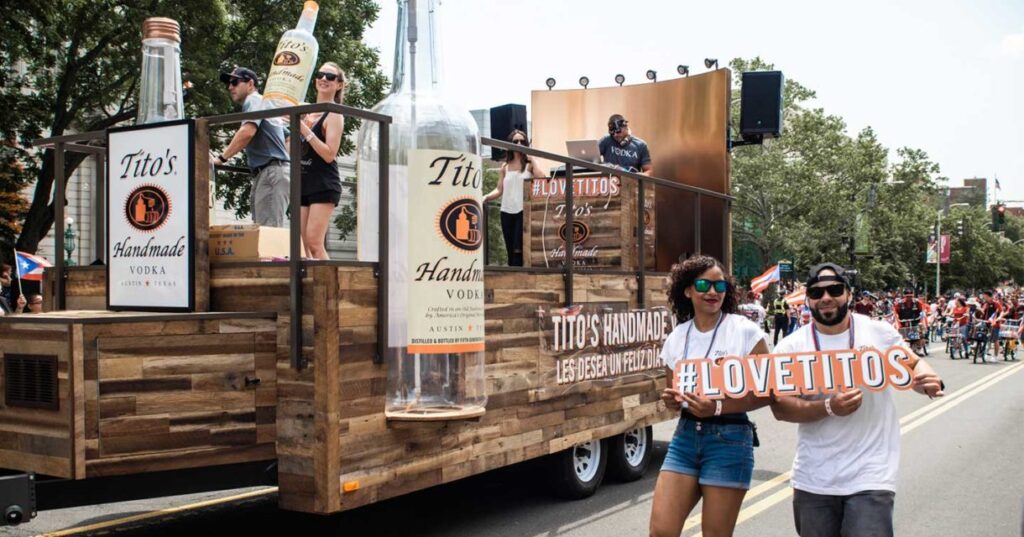
Trailer and vehicle-based builds: When you are moving frequently and want a consistent presence that arrives ready, a trailer or branded vehicle solves the setup problem and the storage problem at once. The brand travels with you.
Airstream and retro vehicle builds: These are attention magnets. The vehicle becomes the story before anyone reads a word of copy. Done right, it is not just a container for the brand. It is part of the brand.
Container builds: When the pop-up needs to feel like a real destination, with strong walls, a controlled entry, and serious visual presence, a container build delivers. More logistically intensive, but the presence is unmatched for longer installs.
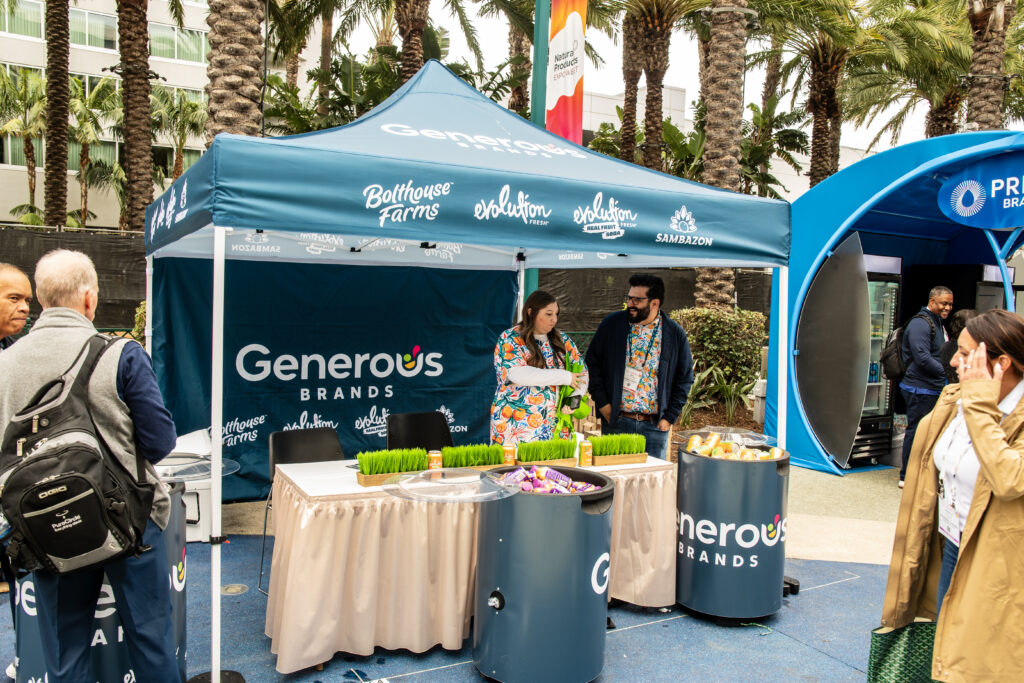
Tented environments with custom interiors: A strong middle-ground option when you need coverage, speed, and branded interior without the complexity of a vehicle build.
The key is matching the format to the operational plan. A heavy build that takes four hours to assemble is the wrong choice for a brand activating every weekend. A lightweight setup is the wrong choice for a brand parked in a premium location for two weeks.
Why One Hero Moment Outperforms Five Good Ideas
At outdoor activations, clarity wins. A single dominant visual or experiential centerpiece will outperform a collection of competing ideas every time.
People at summer events are scanning constantly. If the pop-up’s story is fragmented or visually busy, they keep walking. The most effective activations we design are anchored around one unforgettable moment. Everything else supports it. Nothing competes with it.
Before design locks, we test every concept against three questions:
- Can someone describe the experience in one sentence?
- Is there a clear visual focal point from 20 feet away?
- Does every secondary element reinforce that main idea?
If any of those answers are unclear, the concept gets refined. Every time.
How Do You Design Pop-Up Shop Activations for Both Cameras and Crowds?
If the experience does not read on a phone screen, it does not travel. And if it cannot handle crowd flow, it does not last the day.
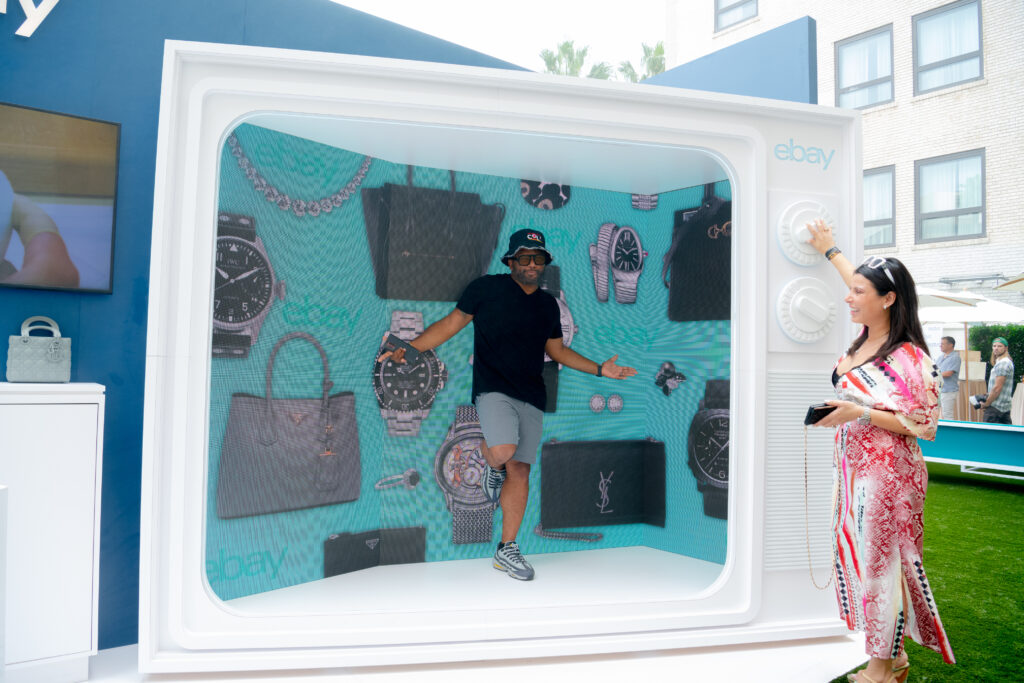
Summer pop-up shop activations live in two environments simultaneously: the physical footprint and the social feed. Every design detail has to perform in both. That means thinking not just about how the space looks in person, but how it photographs in vertical video, how it reads in a wide-angle selfie, and how quickly someone can share it.
What Camera-First Design Actually Means
Before fabrication, we evaluate every activation through a lens test:
- Does the hero moment photograph clearly from multiple angles?
- Is lighting layered to work at midday, late afternoon, and into the evening?
- Are sightlines clean, without visual clutter competing for attention?
- Is there an intuitive “stand here” moment that does not require signage to explain itself?
These decisions determine whether content spreads organically or stalls on someone’s camera roll.
Crowd flow is equally critical. Unclear entrances, cramped interiors, and slow resets can collapse momentum fast at a high-traffic event. The most effective pop-up builds balance the visual experience with operational throughput. Entry and exit paths are intentional. Reset points are streamlined. Staff is positioned to keep energy high and movement smooth.
Build for Fast Setup and Repeatability
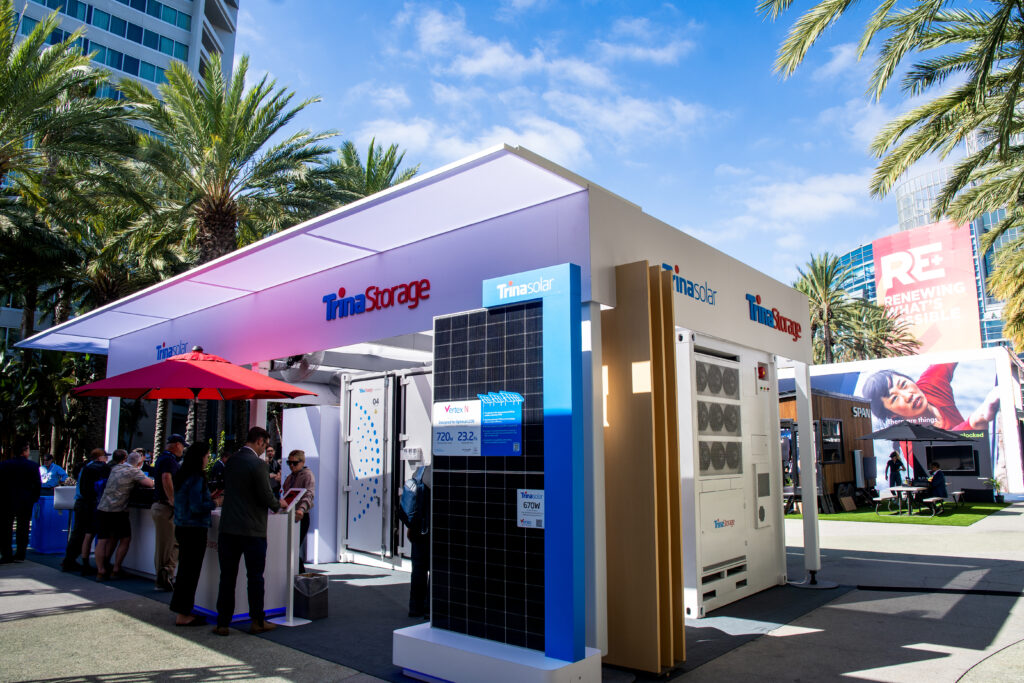
The most successful summer pop-up programs treat setup like a system. Not an art project. When design and fabrication are done well, the build includes clearly engineered components, consistent hardware, protection for repeated transport, logical packing, and a setup sequence that a real crew can follow without guessing. A pop-up that goes up clean on the tenth install looks exactly like it did on the first one. That consistency is not accidental. It is designed in from the start. If every event feels like reinventing the wheel, the team burns out and the pop-up starts to show it. The summer calendar moves fast. Repeatability is what keeps the experience looking sharp all season.
How Do Pop-Up Shop Activations Extend Beyond the Event?
The best pop-up activations are not one-weekend events. They are launchpads. When the tent comes down and the floor clears, the real measurement begins. Social content keeps circulating. Press coverage compounds. The organic reach from a well-designed, highly photographed pop-up can generate impressions long after the activation date. Post-activation strategy includes evaluating what worked operationally, measuring earned media an
d organic social reach, and identifying which modular elements can be preserved, refreshed, or redeployed for future activations. When pop-up shop activations are designed with longevity in mind, their value compounds long after teardown. The physical build is temporary. The brand impression it creates is not.
When to Start if You Want a Summer Launch
Summer sneaks up fast. If you want a pop-up ready for peak season, lead time is everything.
A typical path from concept to road-ready includes:
- Discovery and purpose alignment
- Design development and experience architecture
- Fabrication and finishing
- Graphics production and integration
- Test build (always worth it)
- Packaging and logistics planning
If you are targeting early or mid-summer activations, the time to start that conversation is now. The brands that show up with something worth stopping for are the ones that planned ahead.
FGPG’s Approach to Pop-Up Shop Activations
Great pop-up shop activations demand more than a branded tent and a logo. They require a clear purpose, a dominant hero moment, design that works outdoors in real conditions, and a build that performs as well on event day ten as it did on event day one. When those elements align, a pop-up stops being a marketing tactic and becomes a brand moment people remember, photograph, and talk about.
If you are planning a summer activation, build something worth stopping for: Let’s create it together.
Quick Summary
Pop-up shop activations succeed when they are built around a single clear purpose, designed for outdoor reality, anchored by one dominant hero moment, and engineered for both cameras and crowd flow. This guide breaks down how FGPG designs summer pop-up experiences that earn attention on the ground and extend their impact long after the event ends.
FAQ: Pop-Up Shop Activations
-
1. What makes pop-up shop activations different from traditional trade show exhibits?
Pop-up activations live in unpredictable outdoor environments and compete with everything around them for attention. They have to earn engagement from people who did not come specifically to see them, which means the design, visual hook, and experience have to do more work faster.
-
2. Why is a single hero moment important in pop-up shop activations?
-
3. How do you measure success in pop-up shop activations?