The Main Types of Experiential Marketing
Experiential marketing is a marketing strategy that focuses on creating memorable, interactive experiences rather than pushing messages at passive viewers. It invites consumers to participate instead of just observing ads, transforming passive audiences into active participants and brand advocates.
In 2027, with audiences tuning out traditional advertising, this marketing approach has become a powerful strategy for brands that want to directly engage their target audience in a meaningful way.
This guide covers the core types of experiential marketing events you should evaluate:
- Trade show and conference experiences
- Pop ups and brand installations
- Mobile tours and roadshows
- Immersive and interactive installations
- Sponsorship and live event activations
- Retail and in-store experiences
- Digital, virtual, and hybrid experiences
Rather than just browsing ideas, you will learn how to pick the right type for your campaign objectives, whether your goal is lead generation, brand awareness, or long term loyalty.
FGPG is an experiential marketing agency specializing in trade show event design and integrated brand experiences. Their portfolio at fgpg.com/work spans projects for Panasonic, eBay, Lakeshore Learning, Cars Commerce, the Petersen Automotive Museum, and more, covering everything from strategy and design to fabrication and production under one roof.
How We Classified the Main Types of Experiential Marketing
These types are grouped by how audiences experience the brand (hybrid, mobile, retail) rather than by buzzwords. Our selection criteria include:
- Real-world adoption by B2C and B2B brands
- Ability to drive measurable outcomes like leads, revenue, and brand lift
- Creative flexibility and scalability across budgets
- Suitability for integrated campaigns covering social sharing, marketing content, PR, and sales support
- FGPG's hands-on experience designing and producing these formats for clients like Panasonic, eBay, and Choose Chicago
Event marketing involves organizing events to engage customers through organized brand experiences, and each format below represents a distinct way to do that. Worth noting: guerrilla marketing uses unexpected locations for brand promotion, relying on creativity and shareability to generate rapid brand awareness, though it requires careful planning around safety and permits. We focus here on the seven major formats that most brands should evaluate first.
Top 7 Types of Experiential Marketing (With Real Examples)
These seven are the practical "workhorse" formats of any experiential marketing campaign. Each includes a definition, best-fit use cases, strengths, limitations, and specific FGPG project examples.
1. Trade Show and Conference Experiences
Trade shows and conferences are a core type of engagement marketing, especially for B2B brands with complex products or services. Event-based activations reach defined audiences at established gatherings, making them ideal for brand storytelling, product demos, and lead capture.
Brands can leverage events to create memorable customer interactions that compress the sales cycle. Product-based experiential marketing allows customers to interact directly with a company's products, and event marketing can enhance word-of-mouth for new products.
Best for:
- B2B brands needing hands-on demonstration of configurable products
- Companies entering new market segments that want to make a bold first impression
- Organizations looking to reposition brand perception in their industry
Key strengths:
- High concentration of qualified prospects in a defined time window
- Ability to measure leads, meetings, and pipeline influence directly
- Scalable from inline booths to multi-level island experiences
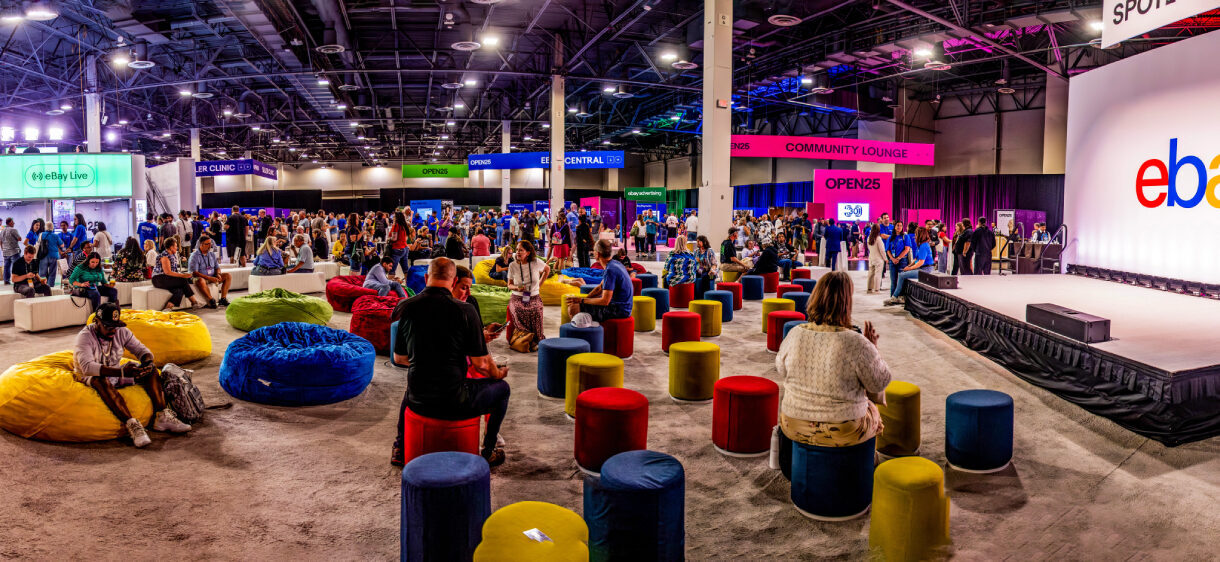
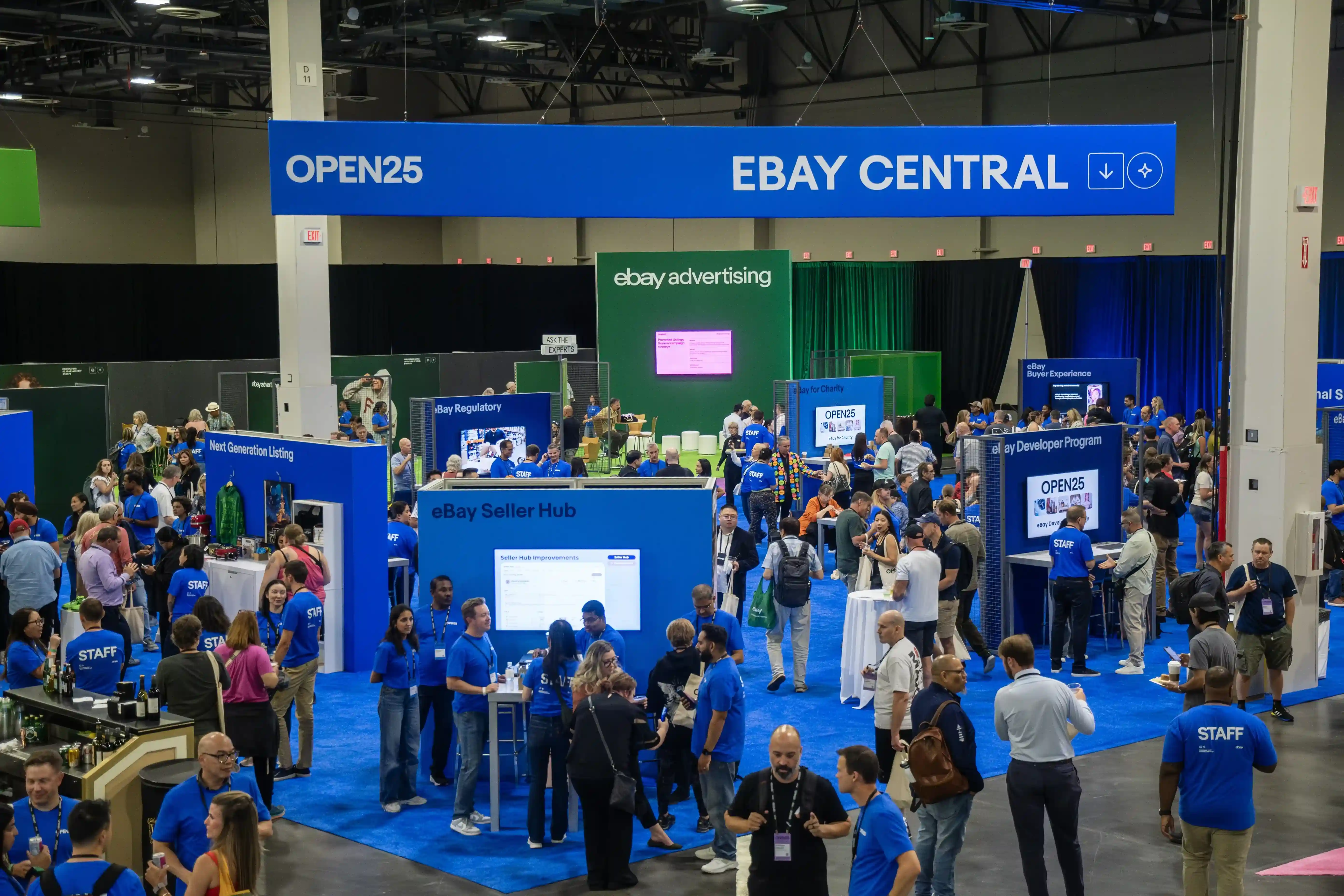
- FGPG built the entirety of eBay’s OPEN 25 conference, where 2,000 onsite sellers and over 8,000 virtual attendees joined for updates from the auction site.
- Lakeshore Learning at NAEYC functioned as a hands-on classroom demonstrating early childhood products
- Cars Commerce at the NADA Show turned data and software into intuitive, dealer-centric stories through interactive demo stations
Possible limitations:
- High logistical complexity (union rules, rigging, freight, show services)
- Upfront investment demands a long-term program, not a one-off booth
- Limited control over show dates and audience composition
A seasoned partner like FGPG mitigates these risks through end-to-end production and on-site management
2. Pop-Up Environments and Brand Installations
Pop up experiences create urgency and exclusivity for brands by placing temporary branded spaces in malls, city streets, museums, and nontraditional venues. Pop up stores can be used for product launches and limited editions, while temporary pop up spaces allow brands to take creative risks. Pop up experiences can enhance storytelling and brand engagement, and data shows pop up brand experiences can double product sales in a week.
Best for:
- Product launches where tactile exploration and shareable visuals are critical
- Lifestyle, fashion, automotive, entertainment, and beauty brands seeking "Instagrammable" pop up shops
- Tourism and destination marketing bringing a city or region to life in another market
Key strengths:
- High control over layout, narrative, and guest flow in a physical space
- Built-in scarcity fuels foot traffic and creates a lasting impression
- Excellent backdrop for press previews and creator content
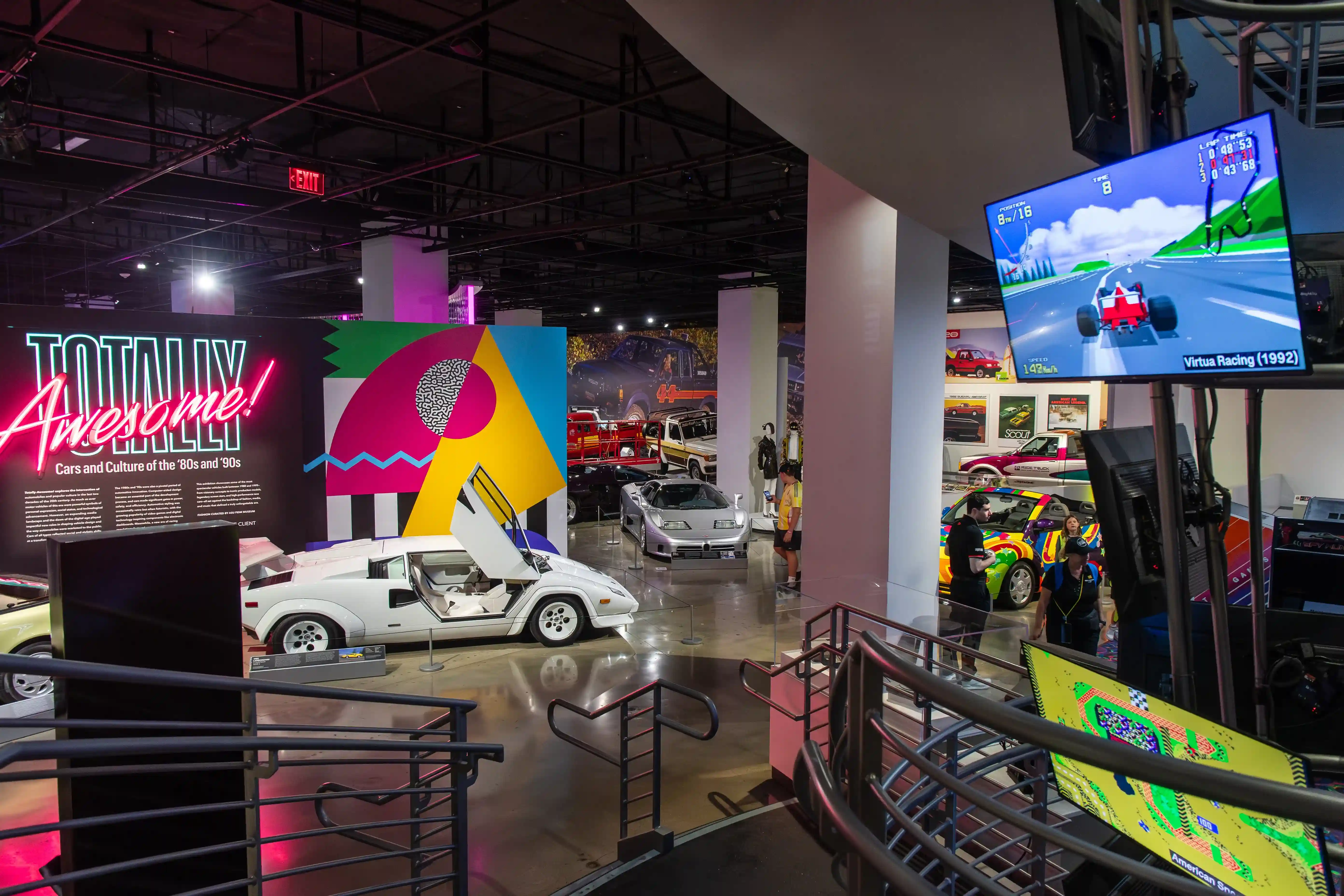
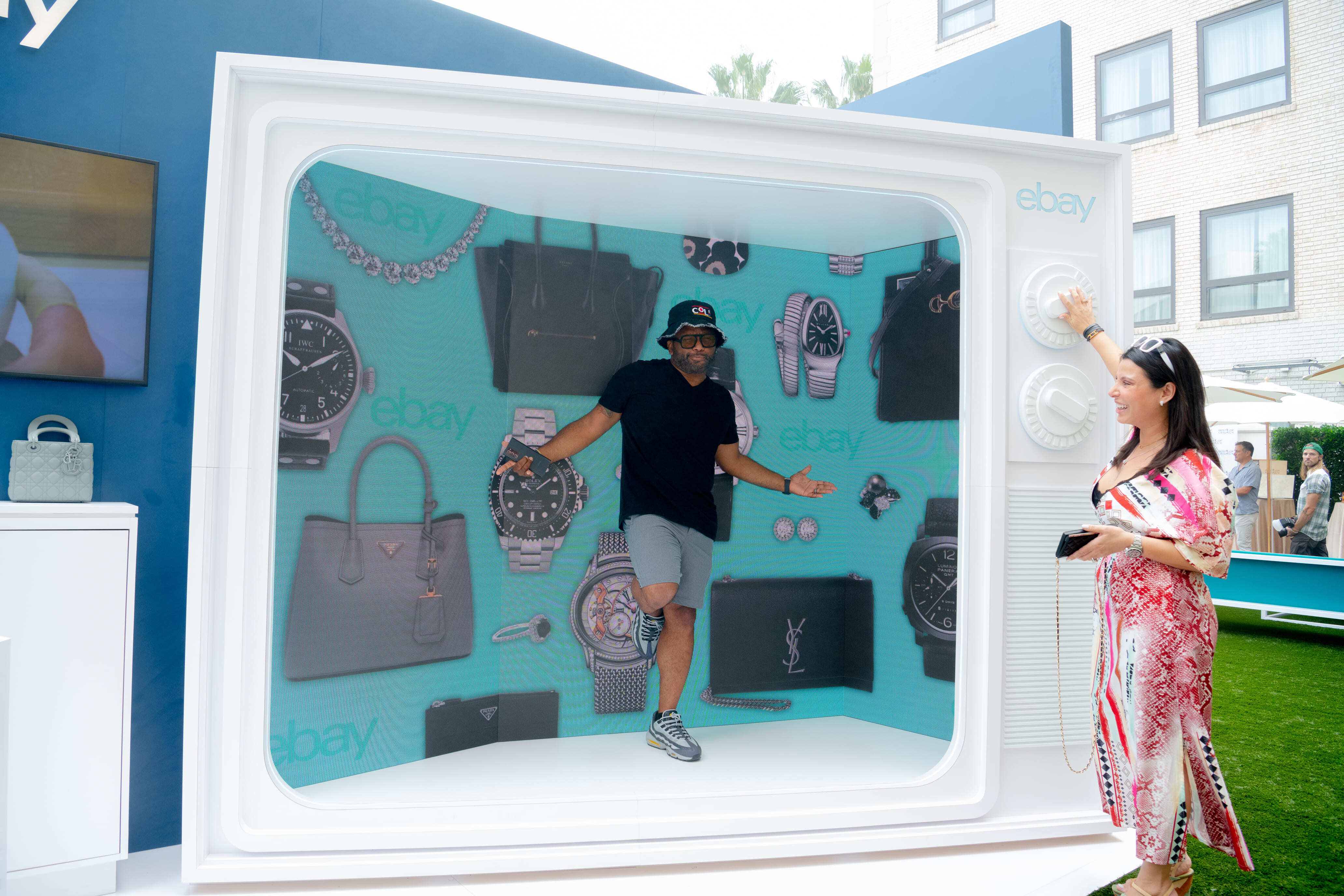
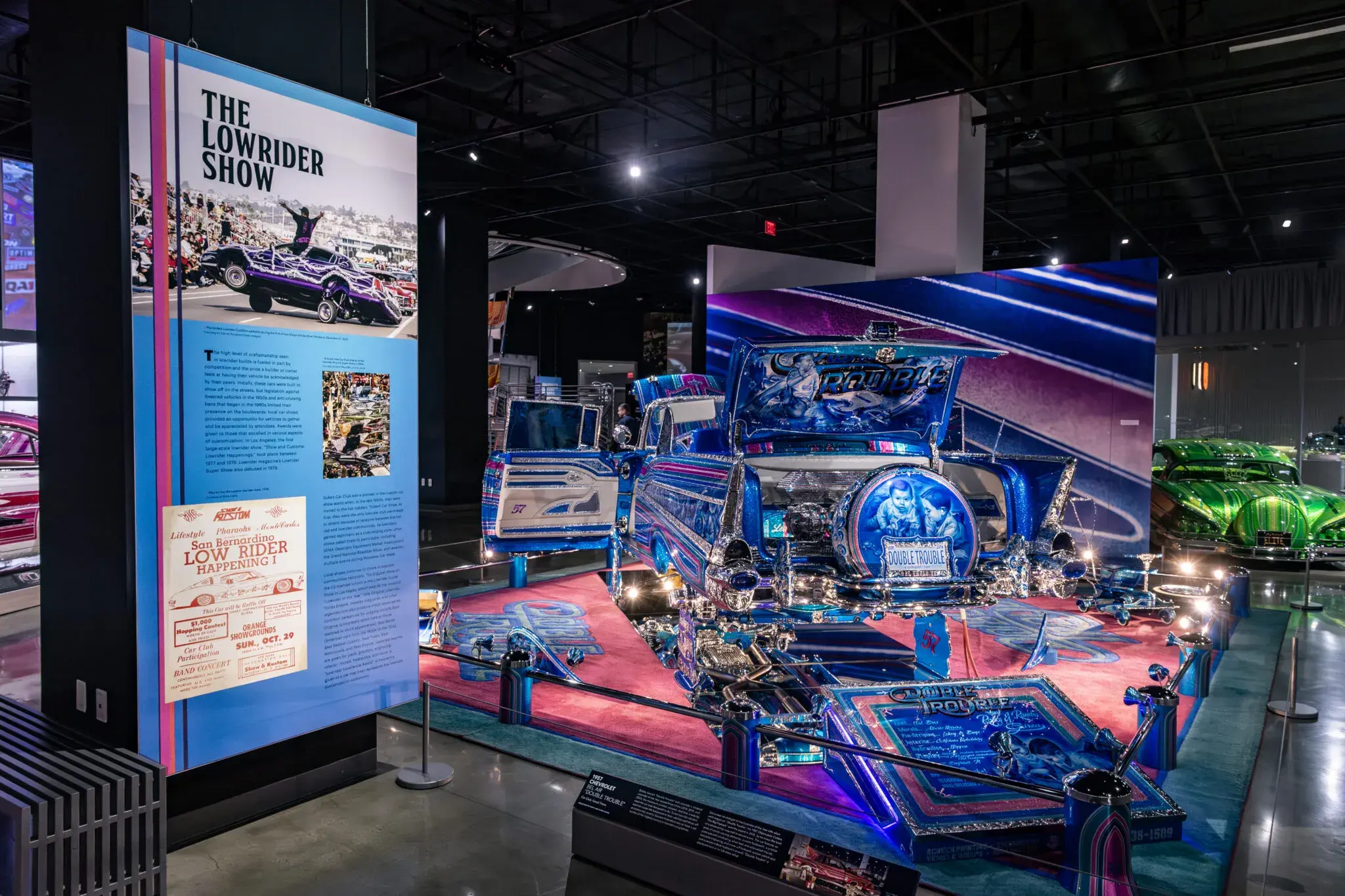
FGPG's integrated museum-style exhibits at the Petersen Automotive Museum, including "Totally Awesome" and "Best in Low," function as limited-time, deeply branded environments within a cultural institution, projecting over 300,000 visitors with broad media coverage. FG|PG also produced eBay’s activation at the Emmy Awards, creating an exclusive pop-up experience that put the brand in front of entertainment’s biggest night, a prime example of how pop-up environments turn brand access into press-worthy moments.
Possible limitations:
- Short run means you must generate excitement quickly through pre-launch promotion
- Permitting, landlord agreements, and build-out timelines can be complex
- ROI depends heavily on site selection in major cities
3. Mobile Tours and Roadshow Experiences
Mobile activations use branded vehicles to reach multiple locations, making them ideal for multi-city campaigns and product demonstrations. Mobile setups include trailers, buses, and branded carts. They provide flexibility and visibility without a permanent venue and can combine product displays and live demonstrations.
Best for:
- Brands with distributed audiences: college students, healthcare providers, dealers, or franchisees
- Field marketing teams that need turnkey environments at each stop
- Product sampling and demos in parking lots, campuses, and festivals
Key strengths:
- Geographic reach with a single capital investment to reach target audiences across regions
- Rich data capture at each stop to compare markets
- Ability to support channel partners and local sales teams
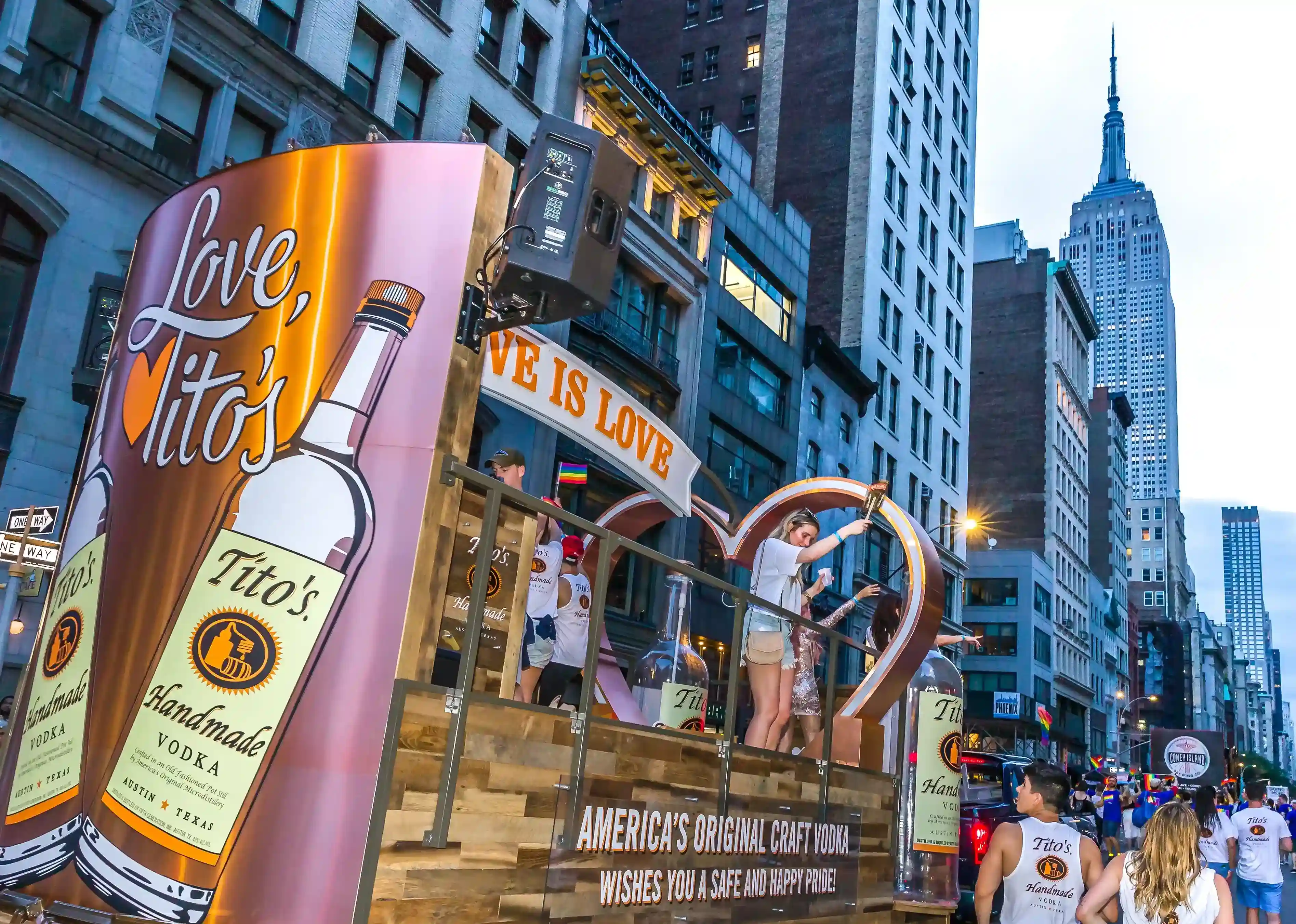
FG|PG produced Tito’s Handmade Vodka’s 13-city Pride float tour, building a 25-foot float complete with a copper heart arch that illuminated for evening events, eight-foot replica bottles that launched custom confetti into crowds, and a diverse crew of brand ambassadors, drag queens, and DJs at every stop. The tour ran from Hartford to Orlando, bringing the “Love is Love” message to new audiences across the country, a clear example of how a single capital investment in a custom build can deliver consistent brand storytelling across a multi-city run.
Possible limitations:
- Significant operational planning (vehicles, drivers, storage, routing)
- Local regulations, parking permissions, and weather contingencies
FG|PG standardizes design and logistics so roadshows scale smoothly
4. Immersive and Interactive Installations
Immersive marketing creates environments that make consumers feel involved in a brand’s story. These experiences blend real and virtual worlds for engagement, and immersive activations include interactive installations and augmented reality.
Sensory marketing engages consumers’ five senses to create memorable experiences, while emotional and storytelling-based marketing aims to build emotional connections with consumers. Immersive experiences aim to create those emotional connections at scale. For context, HBO’s Westworld immersive experience hosted over 4,000 guests, proving the draw of this format.
Best for:
- Brands seeking to shift brand perception or communicate a complex narrative
- Automotive, entertainment, tech, and tourism categories where spectacle matters
- Flagship events, VIP experiences, and ticketed exhibitions
Key strengths:
- High memorability and talk value that creates a lasting impact long after the event
- Rich opportunities for content capture, earned media, and repeat engagement
- Flexible integration of analog and digital (physical sets plus interactive games and virtual reality)
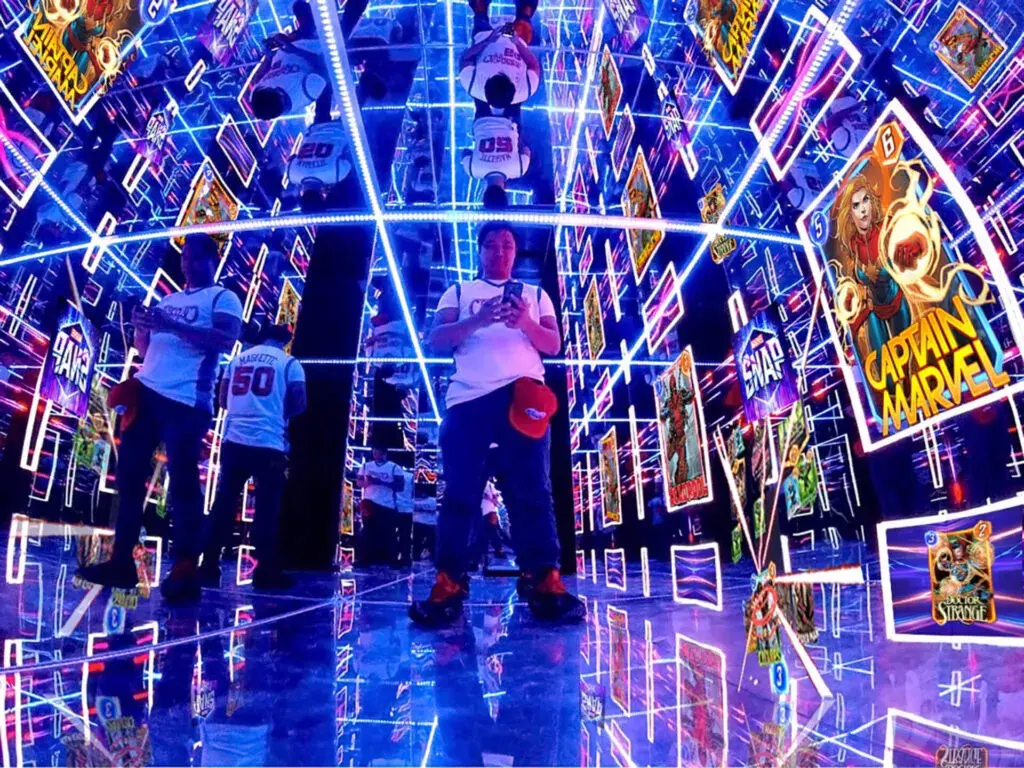
FG|PG’s Marvel SNAP Launch at New York Comic Con is a benchmark for what this format can achieve. The activation recreated in-game locations at real scale (the Daily Bugle, Oscorp Industries, and an NYC bodega) wrapped in a 360° soundscape, 200+ animated game cards displayed behind two-way mirrors, and a giant Cosmic Cube centerpiece. The result: 200,000+ live attendee engagements, 130M+ media impressions, and 5.4M game downloads in the first week. Adweek named it one of the most mind-blowing brand activations at NYCC, and it earned a Gold Ex Award and nine Gold Stevie Awards. That kind of outcome starts with designing for content capture and emotional participation from day one, not as an afterthought.
Possible limitations:
- Longer development and fabrication timelines
- Higher production costs requiring robust technical support on-site
- FG|PG’s integrated creative, fabrication, and production teams control quality and risk across complex builds
5. Sponsorship and Live Event Activations
Sponsorship activations create immersive experiences at sporting events, festivals, auto shows, and conventions. Interactive brand activations encourage active audience participation in brand experiences.
Product sampling allows firsthand experience before purchase, and sampling campaigns can include food, beauty, and technology products. Successful sampling involves engaging brand ambassadors for trust, and sampling is effective for introducing unfamiliar products. In one notable example, 2,436 samples were distributed in a successful Huggies activation.
Best for:
- Brands already sponsoring marquee live events who want more than logo placement
- Automotive, sports, entertainment, and lifestyle brands targeting fan communities
- Brands seeking to align with specific passions and connect emotionally with a clearly defined audience
Key strengths:
- Access to large, pre-assembled audiences with built-in excitement
- High potential for product sampling, data capture, and trial
- Ability to integrate live talent, famous personalities, and competitions
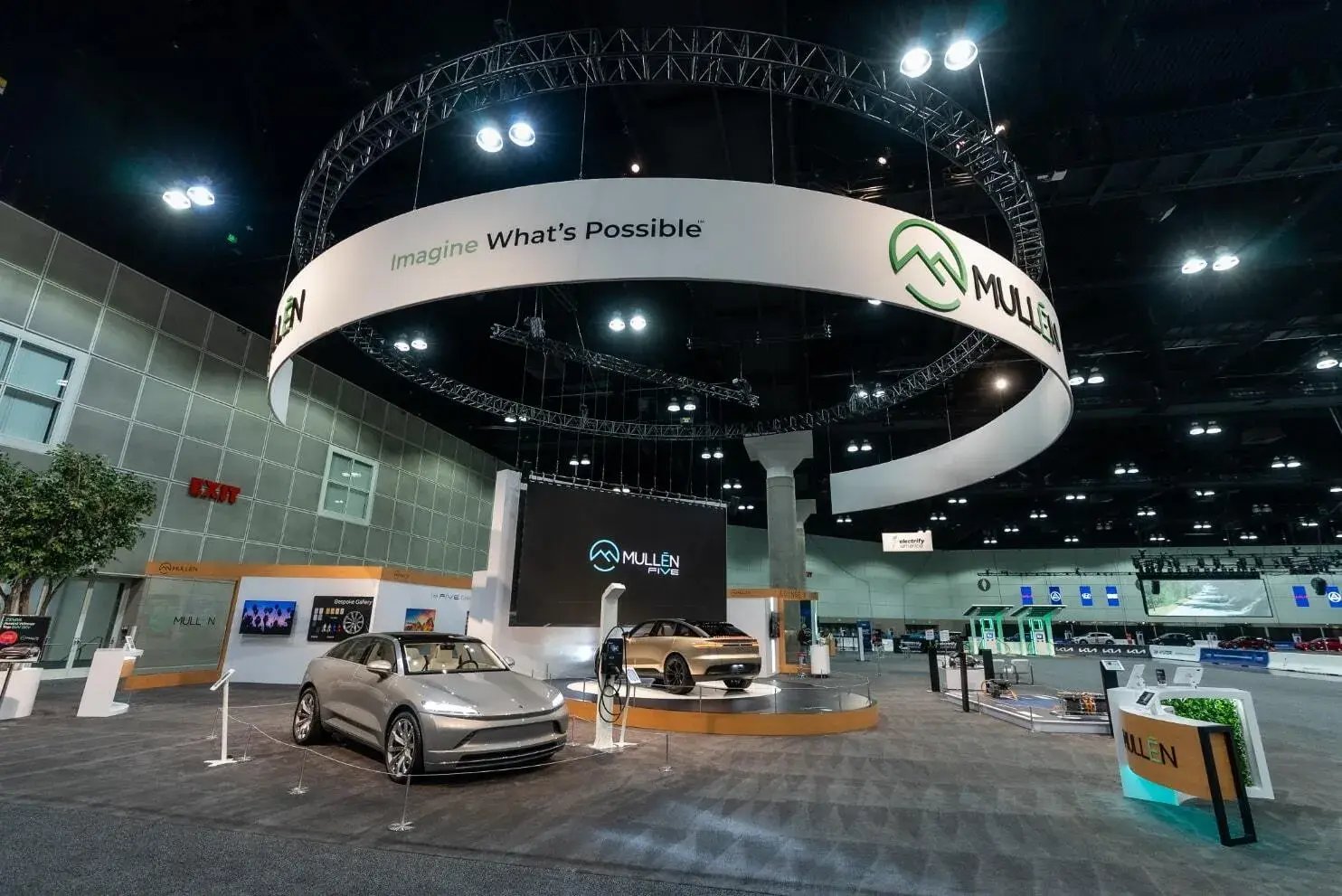
FGPG's work at the LA Auto Show and multi-brand auto exhibits shows how sponsor footprints amplify product reveals.
Possible limitations:
- Limited build times and strict venue rules
- Competition with other brand stands for attention
- FGPG's experience with large-scale shows helps brands design activations that feel additive, not intrusive
6. Retail and In-Store Experiential Marketing
Retail experiences turn permanent or semi-permanent retail space into interactive, story-driven environments rather than simple product shelves. This promotional strategy connects upper-funnel storytelling with point-of-sale conversion, differentiating physical retail from eCommerce. Social and community-based marketing fosters interaction between consumers and builds brand loyalty directly in the retail space where buying happens.
Best for:
- Brands with physical locations or shop-in-shop footprints
- CPG, electronics, automotive, and experiential showrooms
- Brands launching hero products or seasonal stories that need a stage
Key strengths:
- Direct impact on sell-through, helping drive sales and basket size
- Ability to test creative concepts in pilot stores, then scale
- Longer lifespan than pop up stores, amortizing investment and building relationships with loyal customers
FGPG draws on trade show and museum design principles to create in-store storytelling zones, demo areas, and digital integrations. Their production quality and maintenance planning keep retail environments fresh and on-brand.
7. Digital, Virtual and Hybrid Experiences
Digital and virtual experiential marketing creates interactive experiences using online platforms, including virtual showrooms, live-streamed product launches, and hybrid events tying physical activations to remote audiences. This business strategy extends on-site customer experiences to remote buyers, media, and internal teams.
Best for:
- Global brands with dispersed audiences or sales teams needing to reach target audiences worldwide
- Product education, training, and community events
- Brands needing always-on "virtual booths" between physical shows
Key strengths:
- Scalable attendance unconstrained by venue capacity
- Rich behavioral analytics (click paths, content consumption, dwell time)
- Lower marginal cost for additional attendees after platform build
FGPG's work on eBay OPEN25 is a standout example: approximately 2,000 attendees participated in person while over 48,600 joined virtually, exceeding the target by 6x. The design included distinct zones like the Museum of eBay, Photo Ops, and Seller Clinic, all calibrated to deliver the brand's message for both live and virtual audiences.
Possible limitations:
- Screen fatigue and competition with day-to-day distractions
- Less tactile customer engagement compared with physical formats
- FGPG approaches hybrid experiences so virtual guests feel like participants, not viewers
Quick Comparison of Experiential Marketing Types
Here is a summary to help you skim which formats fit which goals:
- Trade show and conference experiences: Best for B2B lead generation and complex product demos
- Pop-up environments and installations: Best for buzzworthy launches and lifestyle storytelling
- Mobile tours and roadshows: Best for multi-city reach and partner/channel support
- Immersive and interactive installations: Best for perception shifts and high-impact storytelling
- Sponsorship and live event activations: Best for tapping into fan communities at scale
- Retail and in-store experiences: Best for driving conversion where buying happens
- Digital, virtual, and hybrid experiences: Best for global reach and data-rich engagement
Which Experiential Types Fit Which Goals?
This table maps each experience type to strategic goals so an experiential marketer can make quick decisions about their next campaign.
| Experiential Type | Lead Generation Strength | Brand Awareness (1-5) | Planning Lead Time (weeks) | Best For |
|---|---|---|---|---|
| Trade Show and Conference | High | 4 | 12-20 | B2B |
| Pop-Up Environments | Medium | 5 | 6-12 | B2C / Lifestyle |
| Mobile Tours and Roadshows | Medium-High | 4 | 8-16 | Both / Regional |
| Immersive Installations | Low-Medium | 5 | 12-24 | Both / Brand |
| Sponsorship and Live Events | Medium | 4 | 6-12 | Both / Lifestyle |
| Retail and In-Store | Medium-High | 3-4 | 4-12 | B2C / Product |
| Digital / Virtual / Hybrid | Medium | 4 | 6-12 | Both / Global |
FGPG can help brands balance multiple objectives in a single brand activation, whether that means generating interest among new prospects or building long term loyalty with existing customers.
How to Choose the Right Type of Experiential Marketing
Choosing a format should start from your marketing strategy: audience, objectives, message, and constraints. Most effective programs combine two or three types. For example, a trade show exhibit paired with digital hybrid elements and a content capture plan. FGPG serves as a strategic advisor that helps brands orchestrate the right mix rather than defaulting to a single format.
Choose based on your audience and buying journey:
- When your audience is concentrated (industry shows, fan events), trade shows and sponsorship activations work best to engage directly
- When audiences are fragmented nationally, mobile tours and hybrid formats help you reach a defined audience across markets
- FGPG designed Cars Commerce at NADA to address dealer principals with hands-on software demos, while Enjoy Illinois at IPW targeted global travel buyers with destination storytelling, creating moments tailored to each group
Choose based on objectives and measurement:
- Qualified leads and pipeline: trade shows, retail experiences
- Brand repositioning or awareness lift: immersive installations, pop ups
- Content creation and PR: pop up experiences, sponsorship activations
- FGPG builds measurement (lead capture flows, surveys, QR journeys) into the immersive space from day one
Choose based on budget, timeline, and risk tolerance:
- Pilot a modular experience in one market before scaling nationally
- Use digital/hybrid elements to extend a high-investment physical build to more audiences
- FGPG reuses fabrication elements across shows (like Panasonic's modular platform) to stretch budgets over multiple events
Which Experiential Marketing Type Is Best For You?
- Choose trade show and conference experiences if you need to fuel a B2B pipeline and make complex solutions tangible
- Choose pop-up environments if your priority is cultural relevance, launch buzz, and social sharing
- Choose mobile tours if you must reach audiences across multiple cities or support distributed dealers and retailers
- Choose immersive installations if you want to transform how people feel about your brand or category
- Layer in digital and hybrid elements if you need global reach, strong data, and marketing content beyond the physical footprint
- Add sponsorship activations when you want to engage customers at sporting events, festivals, or cultural gatherings where brand stands can generate buzz
FGPG can help audit current programs, identify gaps, and design a portfolio of memorable experiences across these types to drive sales and build emotional connections.
Why FGPG Is a Strong Experiential Marketing Partner Across Types
FGPG is an integrated experiential agency with strategy, design, fabrication, and production under one roof in their approximately 81,000 square-foot facility. This eliminates vendor handoffs and keeps quality control tight across every brand experience.
- Depth in trade show design: decades of work at shows like AHR, IBS, NAEYC, and NADA delivering measurable results for Panasonic, Cars Commerce, and Lakeshore Learning
- Integrated storytelling: connecting exhibits, brand environments, and live marketing content as seen in eBay OPEN25 and tourism programs for Choose Chicago and Enjoy Illinois
- Immersive cultural experiences: museum-caliber design for Petersen Automotive Museum's "Totally Awesome" and "Best in Low" that blend art, history, and brand storytelling to create a memorable moment for every visitor
- Operational excellence: managing intricate builds at the LA Auto Show, OCVIBE at The ARTIC, and other complex venues with tight install windows
- Scalable partnerships: focus on multi-year relationships, reusable platforms, and long-term experiential ecosystems rather than one-off stunts
- Sustainability focus: reusable aluminum frame systems and lifecycle-conscious material choices that reduce waste and drayage costs
Explore the full portfolio at fgpg.com/work and reach out for a free consultation on which experiential types best fit your 12-24 month roadmap.
Final Thoughts
There is no single "best" type of experiential marketing. The right choice depends on your goals, your target audience, and your context. The strongest programs combine multiple types into an integrated experience strategy, creating moments that resonate across the entire buying journey. Choosing an experienced partner like FGPG reduces risk and increases the odds your brand activation delivers both emotional impact and measurable business results.
Experiential marketing is evolving toward more hybrid formats, stronger data integration, and tighter alignment with product and sales teams. Brands that master these types of experiential marketing today and invest in building relationships through live marketing, immersive experiences, and digital extensions will stand out over the next three to five years.
The FG|PG Team
FG|PG was founded nearly 21 years ago. Today we’re one of the largest woman-owned, WBENC Certified, live, hybrid and virtual experiential agencies in the US. That trajectory isn’t accidental. It’s the result of a commitment to continually evolve, to never stop learning, and to always listen to our clients’ needs.