Key Takeaways
- Outdoor events in spring and summer should harness seasonal elements like cherry blossoms, long daylight hours, and warm evenings to create memorable, camera-ready moments. Spring and summer festivals should include interactive experiences and strong weather readiness.
- Strategic outdoor event marketing turns a garden party or festival into a powerful brand platform that drives measurable results, not just pretty scenery.
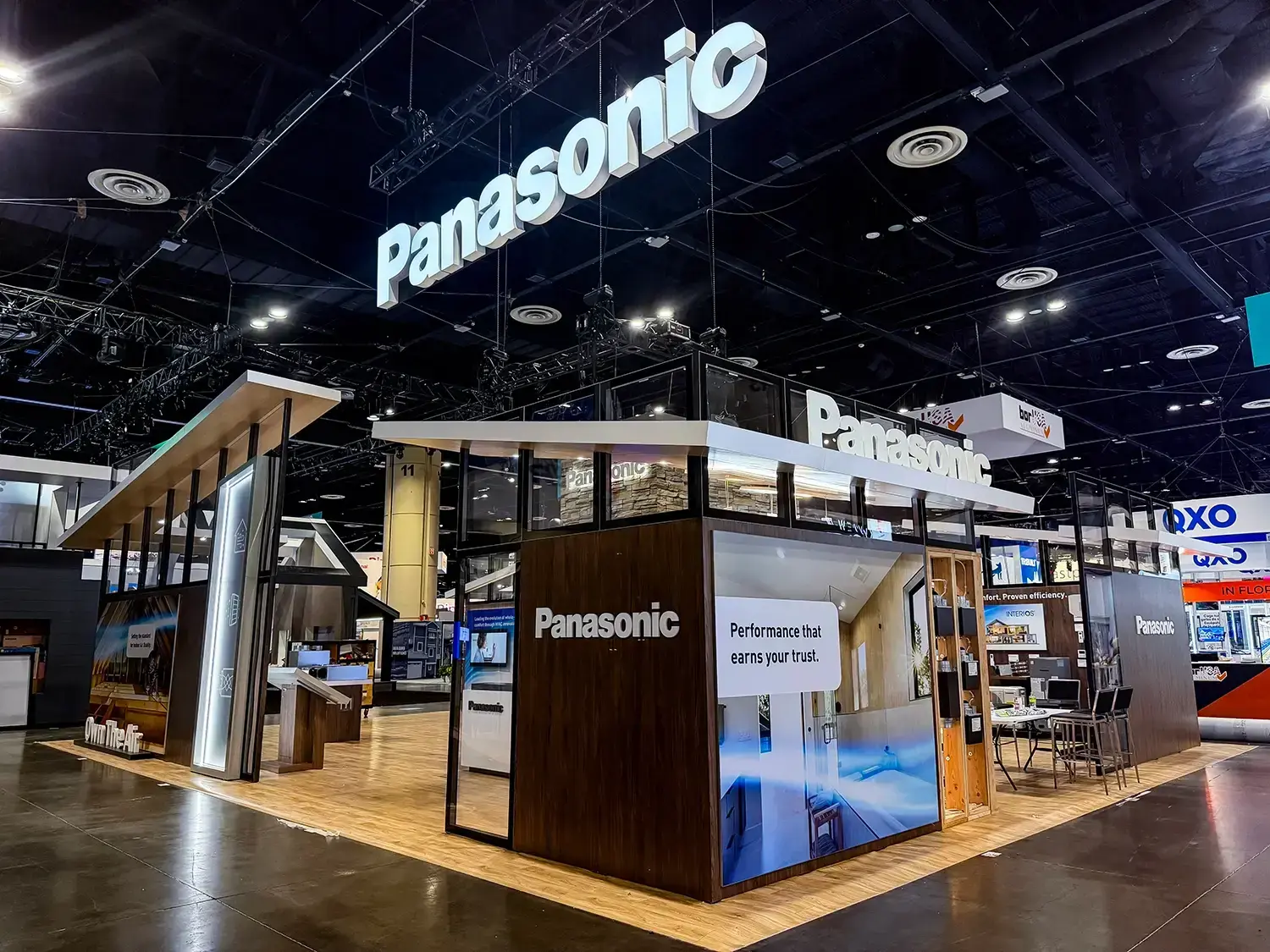
- A strong experiential partner such as FGPG, with deep trade show and integrated experience expertise, can translate big-brand tactics (like Panasonic at AHR or Marvel SNAP at NYCC) into outdoor festivals that truly stand out.
- Planning for weather, crowd flow, and durability of materials ensures that every outdoor event feels effortless for guests even when conditions are challenging. Building a festival theme increases its appeal and memorability.
- This article provides concrete ideas, comparison tables, and example-driven guidance for planning your next event outdoors with confidence.
Why Spring and Summer Are Prime Time for Outdoor Events
Imagine stepping into a spring festival where fresh air carries the scent of wood-fired pizza, live music drifts across a sunlit lawn, and every corner reveals another unexpected moment of excitement. That first breath of outdoor life is what pulls nearly 90 million attendance-trips to U.S. outdoor entertainment events each year.
March through September is the sweet spot for outdoor events across most of North America. As the days grow longer, milder evenings arrive, and seasonal travel patterns peak, event organizers gain a window that is nearly impossible to replicate indoors. Outdoor events improve mood and reduce stress, and fresh air at outdoor events boosts mental clarity for both guests and teams. Outdoor settings foster community connections that feel more genuine than anything behind four walls.
The focus here is on festivals, garden party style gatherings, and branded outdoor events that double as powerful outdoor event marketing touchpoints. FGPG is a seasoned experiential agency that has translated complex indoor experiences, from CES booths to NADA trade show exhibits, into outdoor-ready thinking.
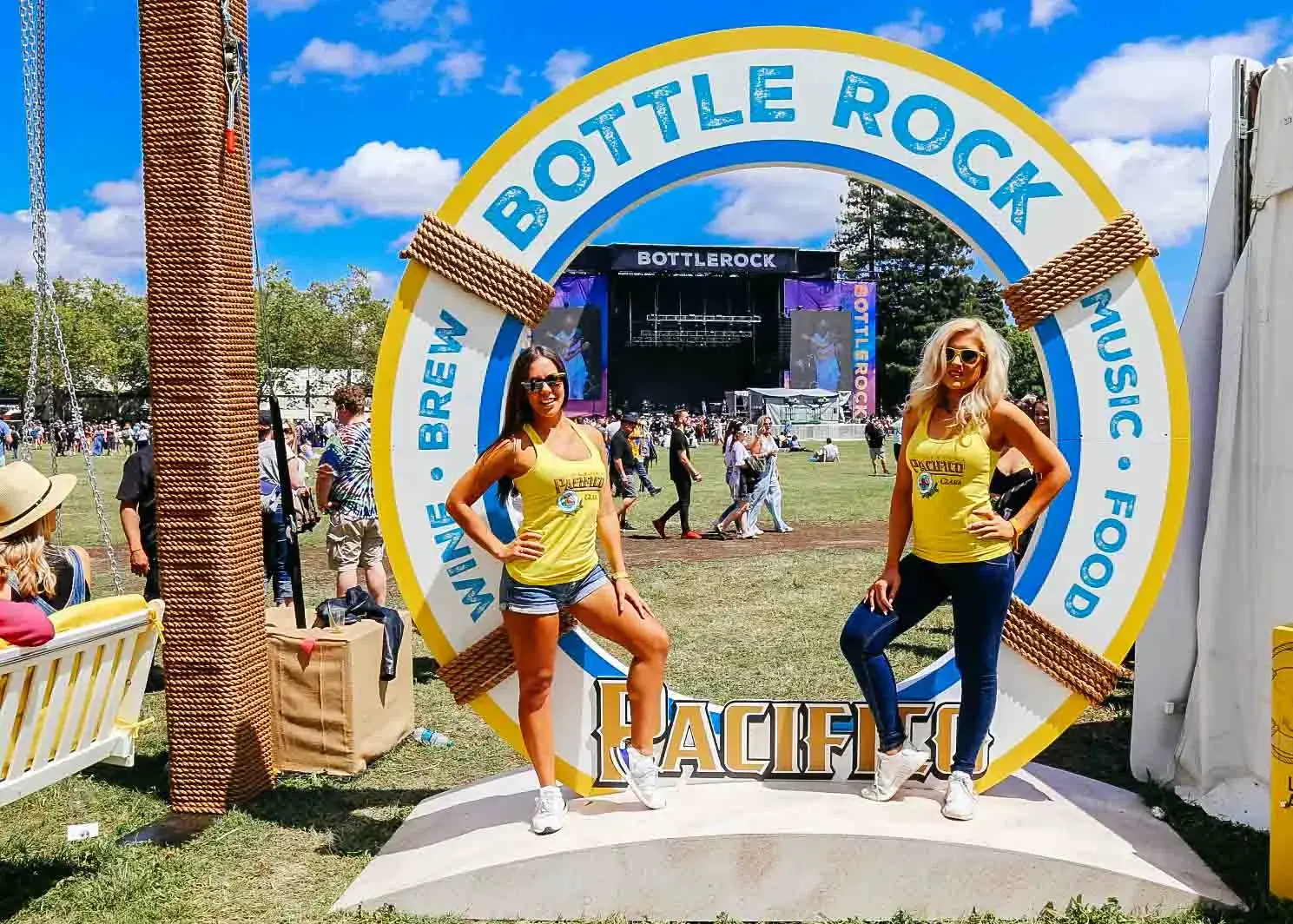
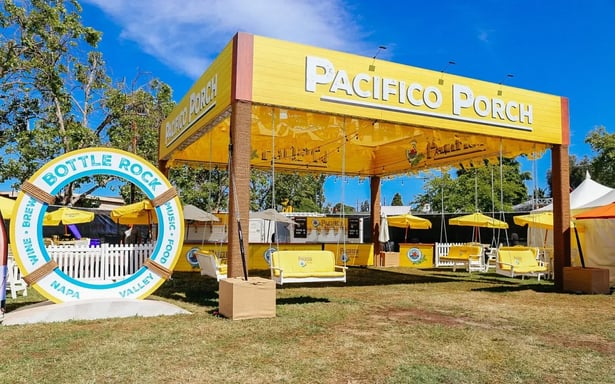
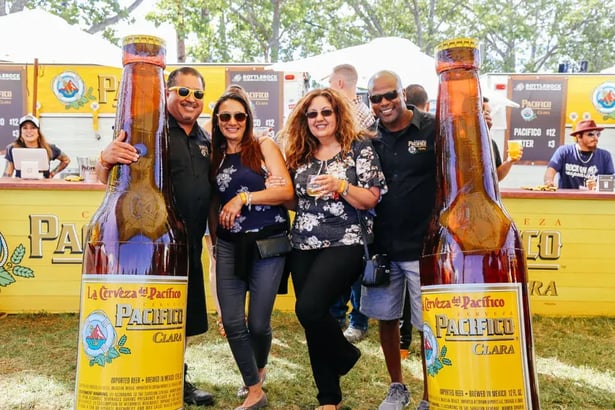
Throughout this article, you will see concrete examples from projects such as Panasonic at AHR and IBS, WayRay at CES, and Pacifico Porch at BottleRock to inspire your own spring events and summer activations.
Start With Strategy: Defining Goals for Your Next Outdoor Event
Every spring or summer festival must have clear objectives before any site or theme decisions are made. Without goals, even the most beautiful outdoor event becomes a missed opportunity.
Start by setting two to three primary goals that stay visible throughout the planning process. Here is a simple table to match goals with recommended KPIs:
| Goal | Recommended KPIs |
|---|---|
| Brand awareness | Social impressions, hashtag usage, earned media volume |
| Lead generation / email capture | Number of sign-ups, cost per lead, post-event response rate |
| Product trial / sales | Samples distributed, on-site sales, average order size |
| Community building | Repeat attendance, net promoter score, loyalty sign-ups |
| Content generation | User-generated posts, influencer mentions, branded content pieces |
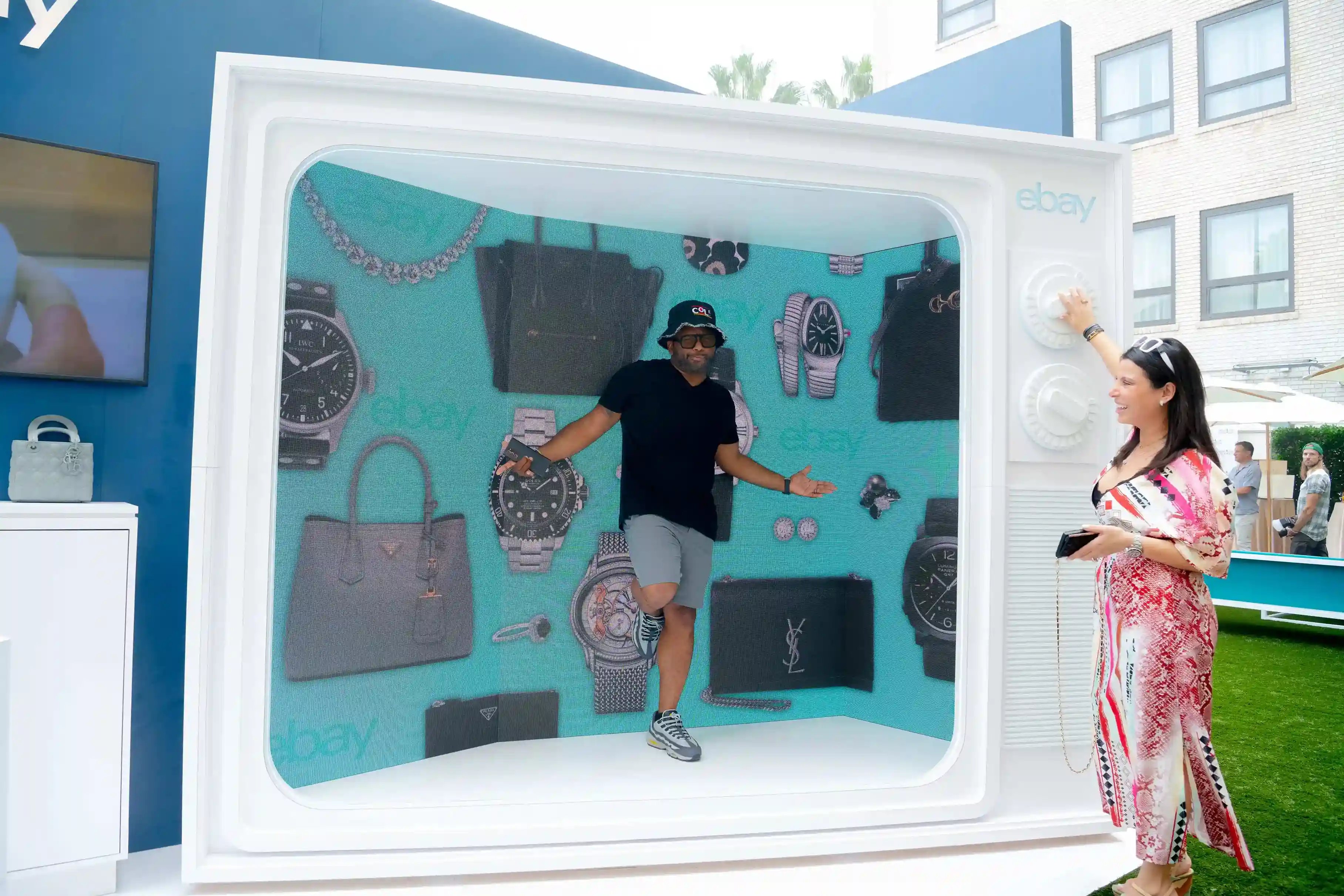
FGPG uses goal-first planning on projects like eBay OPEN25 and Kestra Financial Ascend, where every experience element ladders back to metrics that matter. Event planning should start 6 to 12 months in advance for larger public festivals, giving teams time to align strategy with creative.
Define your audience segments with quick profiles. For example:
- Families seeking daytime activities, shade, and kid-friendly zones
- Young professionals attracted to afternoon-to-night social moments and photo opportunities
- Gamers or niche enthusiasts attending multi-day experiences
- Weekend travelers looking for unique experiences tied to a destination
- Local community supporters who want to engage with small businesses and neighbors
Seventy percent of event marketers use experiential marketing strategies today. Your next event should be built on that same strategic foundation.
Choosing the Right Outdoor Setting: From Garden Parties to City Plazas
The event's location sets the tone for everything that follows. Intimate botanical gardens and winery lawns offer natural beauty with minimal decor needed, while large festival grounds and city plazas provide maximum flexibility for stages, camping, and high foot traffic.
Consider specific spring and summer windows for certain environments: April cherry blossoms in Washington, D.C., early June evenings in Los Angeles when colorful tulips still line park borders, or August rooftop sunsets in Chicago. High-traffic locations maximize exposure and organic footfall. Nature enhances creativity during outdoor events, which means your setting can do much of the creative heavy lifting if chosen wisely.
When comparing venues, weigh access to fresh air, natural shade, restrooms, power, and load-in routes:
| Factor | Botanical Gardens / Winery Lawns | Downtown Plazas / Waterfronts | Coastal Parks / Festival Grounds |
|---|---|---|---|
| Typical capacity | 500 to 5,000 | 5,000 to 20,000 | 20,000+ |
| Noise control | Strict limits; intimate feel | Moderate; city noise blends | Flexible; wide-open space |
| Branding flexibility | Limited by natural aesthetic rules | Good visibility; permit-dependent | Maximum; room for large builds |
| Infrastructure access | Often limited power, narrow paths | Grid power, transit, restrooms nearby | May need generators, portable facilities |
FGPG has activated in diverse environments, from the Pacifico Porch at BottleRock's open-air festival grounds to the Petersen Museum's outdoor-adjacent arrivals and step-and-repeat areas. Their versatility across venue types is a
Designing Immersive Spring and Summer Environments
Transforming a standard park or parking lot into a cinematic environment requires structures, lighting, and sound, not just decor. Thematic decorations increase the sensory experience of outdoor events, and effective outdoor festivals create immersive, sensory-rich experiences that guests remember long after they leave.
Design moves drawn from FGPG projects translate directly to the great outdoors:
- The layered lighting, bold architecture, and digital content of the WayRay CES booth can be scaled outdoors using truss, LED walls, and scenic facades
- Enjoy Illinois at IPW used U-shaped canopy structures and overhead dimensional signage visible from long distances, exactly the kind of wayfinding markers outdoor festivals need
- Evolus at VCS Las Vegas featured hero moments like giant wings and interactive video rooms that would work beautifully as open-air photo activations
Incorporate seasonal cues into scenic pieces:
- Cherry blossom canopy archways at entry portals
- Wildflower meadow zones for lounge areas
- Coastal rope-and-wood elements for beachside events
- Blooming flowers woven into branded signage and photo booths
Clear wayfinding and signage improve guest navigation during outdoor festivals. Bold signage should be clear, vibrant, and easy to read even in direct sun. FGPG organized flow at large programs like eBay OPEN25 and Cloudinary ImageCon using sightlines and themed zones that direct attendees without feeling forced.
| Scenic Element | Cost Level | Build Time | Impact on Guest Perception |
|---|---|---|---|
| Entry arch / portal | Medium | 1 to 2 weeks fabrication + install | Very high: creates threshold and visual identity |
| Main stage structure | High | Months of planning + days of setup | Central anchor; draws crowd; defines energy |
| Lounge pods / chill zones | Low to medium | Days; modular reuse possible | Enhances dwell time, comfort, and social photo sharing |
Bringing Nature Into the Story: Gardens, Blossoms, and Botanical Backdrops
Using existing natural assets reduces build costs while increasing emotional impact. Schedule events around cherry blossom peaks or rose seasons to create urgency and beauty simultaneously. Cherry blossom festivals utilize the brief blooming period to generate excitement and a sense of now-or-never attendance.
Specific garden party concepts that work for corporate hospitality or donor events:
- "Twilight in the Botanical Gardens" with ambient lighting and jazz trio
- "Cherry Blossom Jazz Night" with seasonal cocktails under canopy trees
- Enchanted garden parties create shareable photo opportunities that guests post online and share with loved ones
Museum and exhibit work like FGPG's "We Are Porsche" and "Bond in Motion" at the Petersen Automotive Museum can inspire outdoor storytelling paths with interpretive signage tucked among trees and flower beds. Interactive art installations can enhance the immersive experience at events, especially when guests discover them organically along a walking path.
Simple enhancements that bridge garden settings with brand storytelling:
- Uplight trees with brand-colored gels for evening showcase moments
- Hang lanterns along pathways to create warm, inviting atmosphere
- Build flower crown stations where guests can create and display wearable art
- Set up scent stations featuring seasonal herbs and blooming flowers
Negotiate exclusive early-morning or after-hours time slots with botanical gardens for VIP walkthroughs, sunrise yoga, or photography sessions before general public admission.
Programming That Keeps Crowds Engaged All Day
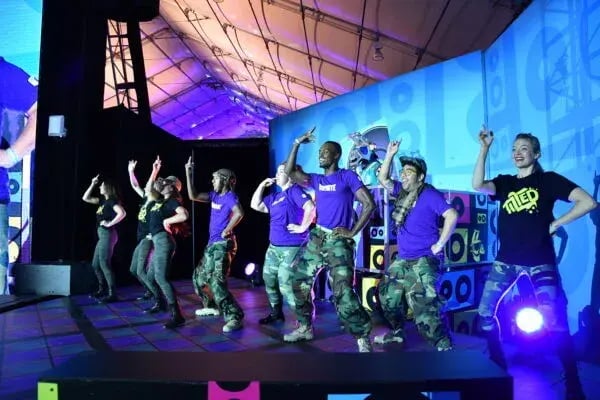
The best outdoor events layer programming across the day, from family-friendly morning outdoor activities to high energy evening performances. Interactive activities enhance guest engagement at festivals, while physical activity is encouraged at outdoor events through thoughtful scheduling.
Sample schedule for a one-day festival:
- 8:00 AM: Outdoor yoga sessions foster wellness and connection with nature
- 10:00 AM: Kids' craft zones and lawn games for friendly competition
- 11:30 AM: Chef demos featuring seasonal produce and cooking competitions that encourage creativity and culinary skills
- 1:00 PM: Dance performances and live music on the main stage
- 3:00 PM: Product reveals and interactive demos
- 5:00 PM: Golden-hour photo activations and content capture
- 7:00 PM: Headliner performance and evening celebration
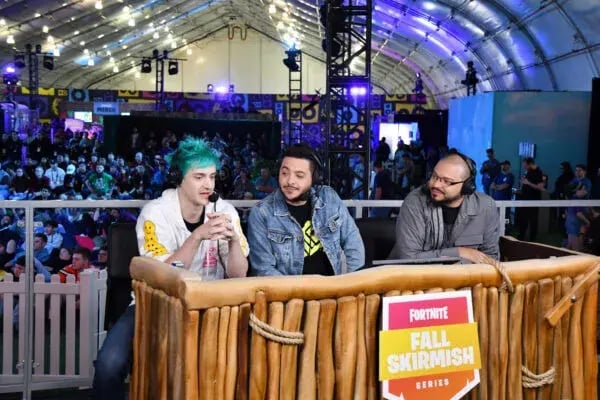
FGPG's entertainment-forward events provide models for designing stages and reveals that feel theatrical outdoors. The Marvel SNAP Launch at New York Comic Con featured staged reveals and live content moments. Poki at GDC used interactive zones with continuous flow. Splitgate 2 at Gamescom and Cars Commerce at the NADA Show created modular interactive zones that handled surge traffic without bottlenecks.
Outdoor movie nights engage families with classic films and provide accessible entertainment for large groups. Kite flying festivals include competitions for all ages and appeal to all generations with colorful spectacles. Scavenger hunts promote teamwork and problem-solving skills, adding entertainment value beyond passive watching.
| Program Style | Ideal Audience | Key Content Features |
|---|---|---|
| Music-driven festival | Young professionals, couples | Headliners, DJ sets, VIP lounge, merch activations |
| Culinary garden party | Foodies, corporate guests, donors | Chef demos, tasting stations, wine pairings, seated dining |
| Innovation fair | Tech enthusiasts, B2B buyers | Test tracks, product demos, panel talks, AR experiences |
Food, Beverage, and Seasonal Hospitality
Food and beverage choices directly influence how long guests stay and how satisfied they feel, especially in warm months. Sixty-two percent of festival attendees budget for food and beverage as part of their trip spend.
Seasonal menu ideas:
- June: Rose and mocktail bar, strawberry shortcake stations, refreshing beverages like lavender lemonade
- July: Stone-fruit tasting tables, grilled peach skewers, local craft beer
- August: Ice-cold agua fresca, cold brew taps, watermelon slices at hydration stations
FGPG's hospitality work on Crown Media's Countdown to Christmas and Godiva VIP screening shows how premium touches like passed mini desserts or brand-colored cocktails elevate guest perception. These same techniques apply outdoors when you want premium areas that keep guests engaged.
Food offerings should highlight seasonal produce and local cuisine at outdoor festivals. Outdoor farmer's markets support local agriculture and small businesses while adding authenticity. Mix local food trucks with branded sampling counters to create delectable food experiences that balance community flavor with brand consistency.
| Service Model | Pros | Cons | Staffing Needs |
|---|---|---|---|
| Buffet / self-serve stations | Scales to large crowds; visual display | Queues; food safety management | Portable lines, queue managers |
| Branded sampling counters | Controlled portions; high brand exposure | Lower throughput | Trained brand ambassadors |
| Roaming trays / passed items | Premium feel; encourages movement | Temperature control harder outdoors | Servers, cooling/hot holding equipment |
Address dietary trends: include plant-based options, low-alcohol choices, and accessible hydration stations at every outdoor event, especially for high-activity formats like color runs or campus field days.
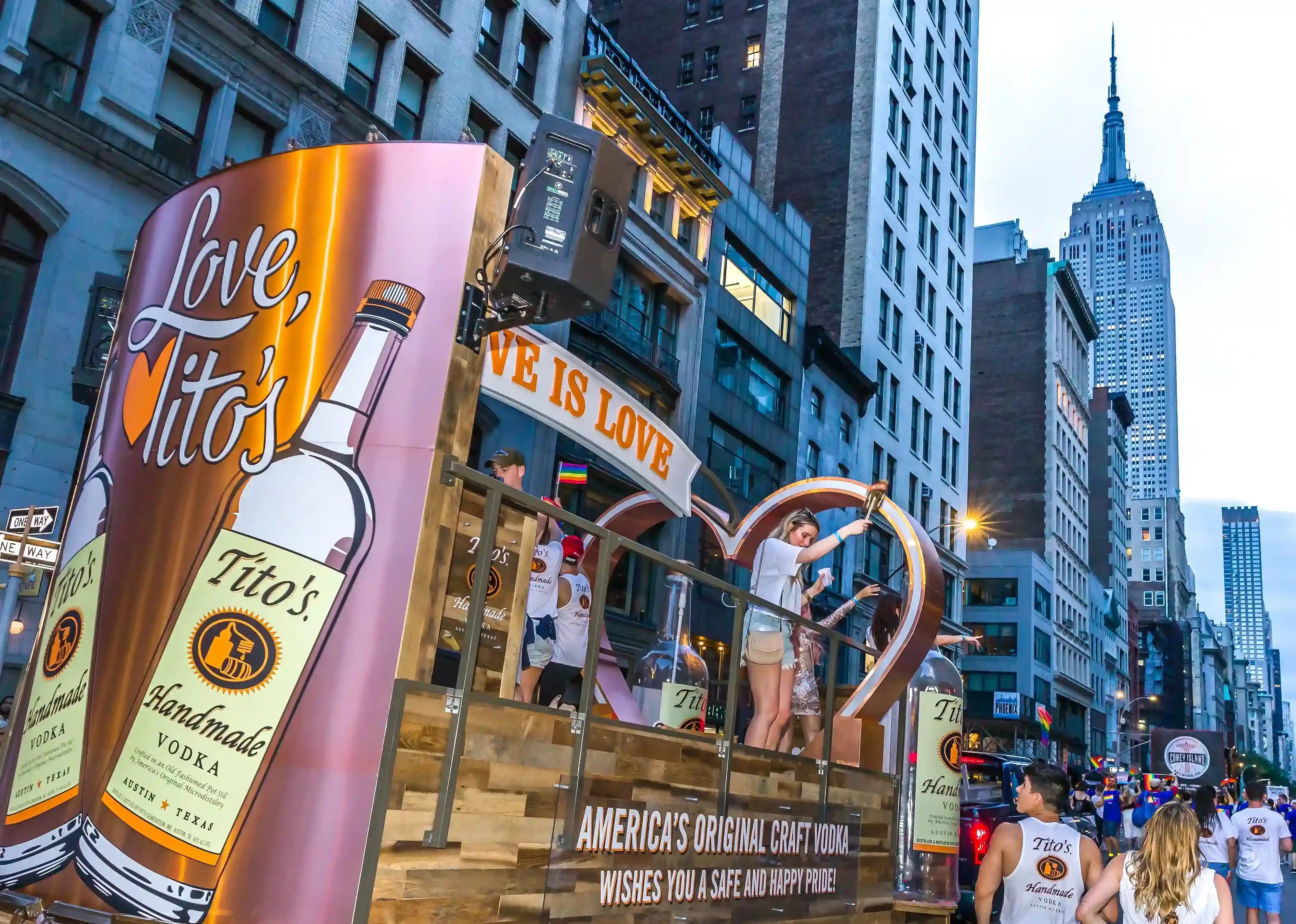
Outdoor Event Marketing and Audience Acquisition
Outdoor event marketing must start at least 90 days before the date for larger festivals, and at least 45 days for boutique garden parties or pop-ups. Treating marketing as a last-minute add-on is the biggest mistake event planners make.
Multi-channel tactics to reach your potential audience:
- Hyperlocal paid social campaigns targeting zip codes near the venue
- Collaborations with local businesses for cross-promotion and co-branded promotional materials
- Transit ads and out-of-home placements near the event's location
- Influencer seeding with early access or backstage content
- Sign spinning increases foot traffic and brand visibility near venue entrances
- Interactive elements encourage social sharing and attendee engagement
FGPG connects physical and digital experience for clients like Kestra Financial Ascend and Cloudinary ImageCon through landing pages, registration flows, teaser content, and post-event nurture campaigns. This integrated approach ensures that when the event ends, the conversation continues.
| Factor | In-House Marketing | With FGPG |
|---|---|---|
| Strategy depth | May lack experiential-specific expertise | Deep: strategy, story, space, and measurement together |
| Creative cohesion | Possible disconnect between design and messaging | Single partner handles concept through production |
| Measurement sophistication | Basic attendance or ticket counts | Layered metrics: dwell time, social reach, lead capture |
| Resource efficiency | Multiple vendor hand-offs | In-house 81,000 sq ft facility reduces complexity |
Integrate QR code touchpoints and NFC tags into outdoor signage to extend engagement. Link these to trackable offers, curated playlists, or AR layers rather than generic landing pages.
Experiential Touchpoints: Turning Outdoor Events Into Brand Worlds
In an increasingly digital world, guests remember interactive moments more than static branding at live events. Experiential marketing turns passive spectators into active participants who engage with your brand on a personal level.
FGPG's WayRay interactive booth at CES and the SPARQ activation at the LA Auto Show prove that tactile, immersive touchpoints can be adapted to outdoor formats. Panasonic Lumix at VidCon created creator studios for content capture that would translate seamlessly to a festival setting.
Concrete ideas for outdoor experiential zones:
- Test-drive tracks for auto brands on closed lots or fairground roads
- AR-enhanced scavenger hunts through botanical gardens
- Creator studios for content capture, similar to Panasonic Lumix at VidCon
- Photo booths with seasonal backdrops and branded items guests take home
- Gaming pods inspired by FGPG's work on The eBay Market-Verse at New York Comic Con
| Activation Type | Social Shareability | Staffing Required | Avg Dwell Time |
|---|---|---|---|
| AR scavenger hunt | Very high | Low (self-guided) | 15 to 25 min |
| Test-drive or demo track | High | High (safety + instructors) | 10 to 15 min |
| Photo booth / creator studio | Very high | Medium (1 to 2 staff) | 5 to 8 min |
| Gaming pod / interactive zone | High | Medium | 10 to 20 min |
These are the kinds of unique experiences that make attendees want to participate, share, and return.
Production Fundamentals: Weather, Materials, and Logistics
Spring and summer outdoor events must be engineered for wind, sun, sudden rain, and temperature swings. Weather contingency plans are essential for outdoor events to handle sudden weather changes, and organizing outdoor events involves blending sensory immersion with seamless logistics.
Material considerations:
- Aluminum frames: lightweight, reusable, weather-resistant. FGPG owns a large aluminum frame inventory for exactly this reason.
- Tension fabrics and UV-resistant plastics: hold up under sun exposure without fading or warping
- Treated composites: durable alternative to untreated wood, which warps and splinters outdoors
- Avoid gloss surfaces that create dangerous glare in direct sun
FGPG builds touring exhibits and large trade show installations that must ship safely and install quickly. Panasonic at AHR and IBS and Cars Commerce at NADA required reconfigurable systems and rapid setup, the same discipline that outdoor builds demand.
Key logistics to plan:
- Truck access without loading docks; lift gates for remote fields
- Ballast systems for wind on elevated signage and light towers
- Cable management on grass or gravel (covered ramps, staked channels)
- Generator placement away from guest zones for noise and fume control
| Factor | Indoor-First Construction | Outdoor-Ready Construction |
|---|---|---|
| Hardware | Carpet, foam core, standard fasteners | Staked anchors, ballast, weather-rated hardware |
| Finishes | Glossy laminates, untreated MDF | UV-resistant, matte, weatherproofed surfaces |
| Contingency | Fire exits, HVAC backup | Rain plans, wind load engineering, shade structures |
Proactive planning reduces environmental impact at outdoor events. Sustainable practices at events include composting and recycling stations placed visibly throughout the site.
Safety, Accessibility, and Guest Comfort
Safety and accessibility are not checkboxes. They are prerequisites for positive brand experiences at festivals and outdoor events.
Practical safety measures for summer festivals:
- Shaded rest areas and cooling tents at regular intervals
- Visible security staff and clearly marked emergency exits
- Dedicated first-aid points with heat illness supplies
- Hydration stations should be easily accessible at outdoor events to keep crowds safe
- Creating areas for relaxation improves the overall experience at festivals
Inclusive event design involves making activities accessible to all guests:
- ADA-compliant pathways on grass using solid, even surfaces or stabilized mats
- Accessible viewing platforms for stages
- Captioned content on screens and assistive listening devices
- Quiet zones for neurodivergent guests
FGPG's experience managing crowd flow and safety inside complex exhibits like "Bond in Motion" and "We Are Porsche" at the Petersen Automotive Museum translates directly to temporary outdoor builds where circulation, sightlines, and comfort are equally critical.
Quick comfort wins:
- Insect control (citronella stations, treated perimeters)
- Sunscreen availability at entry points
- Comfortable seating and shade are important for guest satisfaction in outdoor settings
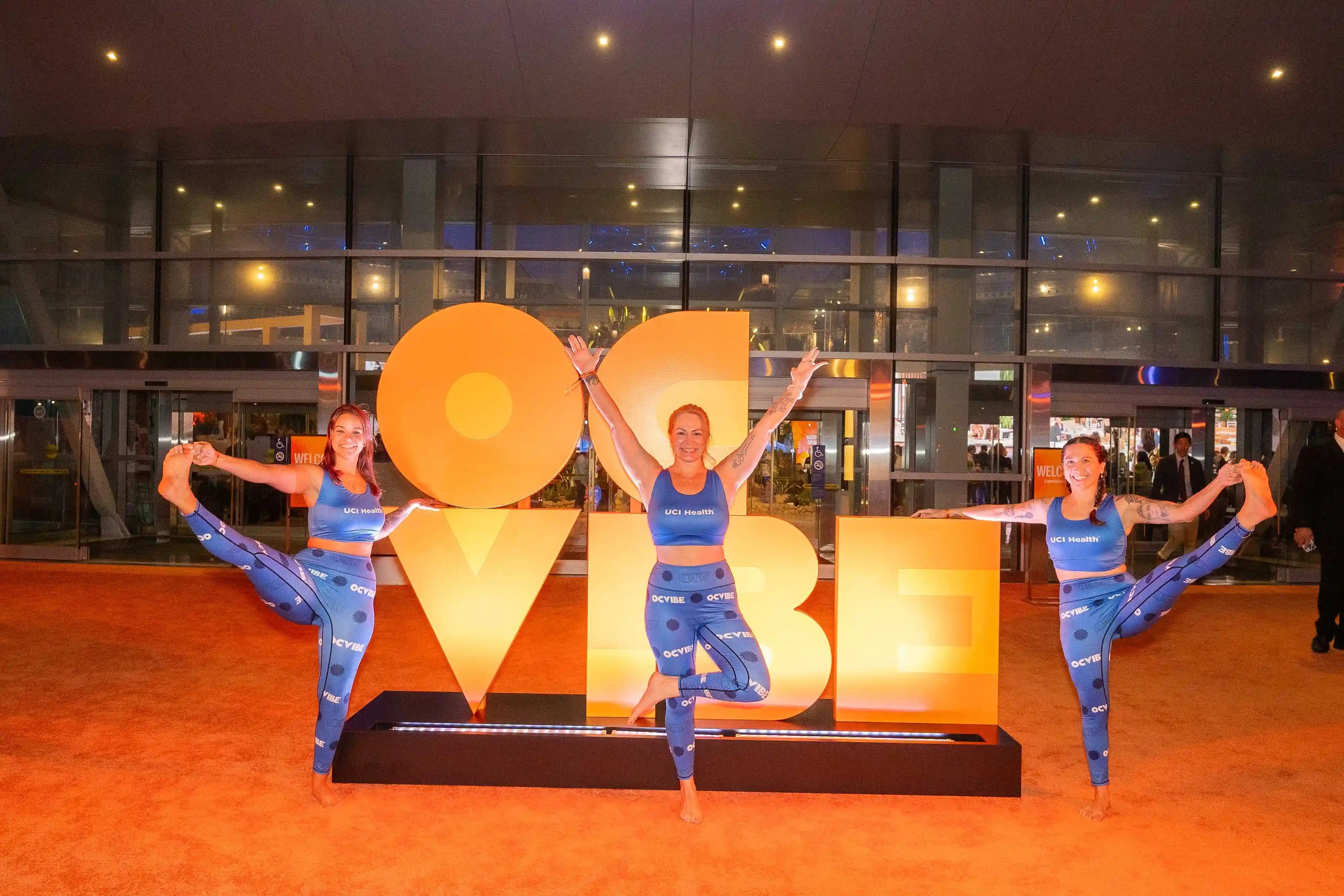
Measuring Impact: From On-site Buzz to Long-term Outcomes
Unforgettable outdoor events should also be accountable. Set measurement strategies before planning begins so you know what success looks like when the season ends.
Quantitative metrics to track:
- Total attendance and peak-hour counts
- Dwell time in key zones
- Social mentions, hashtag usage, and earned media volume
- QR code and NFC scans at branded touchpoints
- Lead generation (sign-ups, app downloads)
- Post-event purchase or donation rates
Integrated programs like Kestra Financial Ascend and Cloudinary ImageCon use pre- and post-event surveys, session tracking, and CRM integrations to connect outdoor experiences with pipeline and retention metrics.
On-site tools that gather data without disrupting the fun:
- RFID wristbands for zone tracking
- Mobile app check-ins at activations
- Simple SMS shortcodes for instant feedback
| Metric | Decision It Informs |
|---|---|
| Dwell time by zone | Which activations to expand at the next event |
| Social mention volume | Where to focus follow-up marketing spend |
| Lead conversion rate | ROI of experiential vs. traditional channels |
| Post-event survey scores | Guest comfort and programming adjustments |
| QR code scan rate | Which touchpoints drove the most engagement |
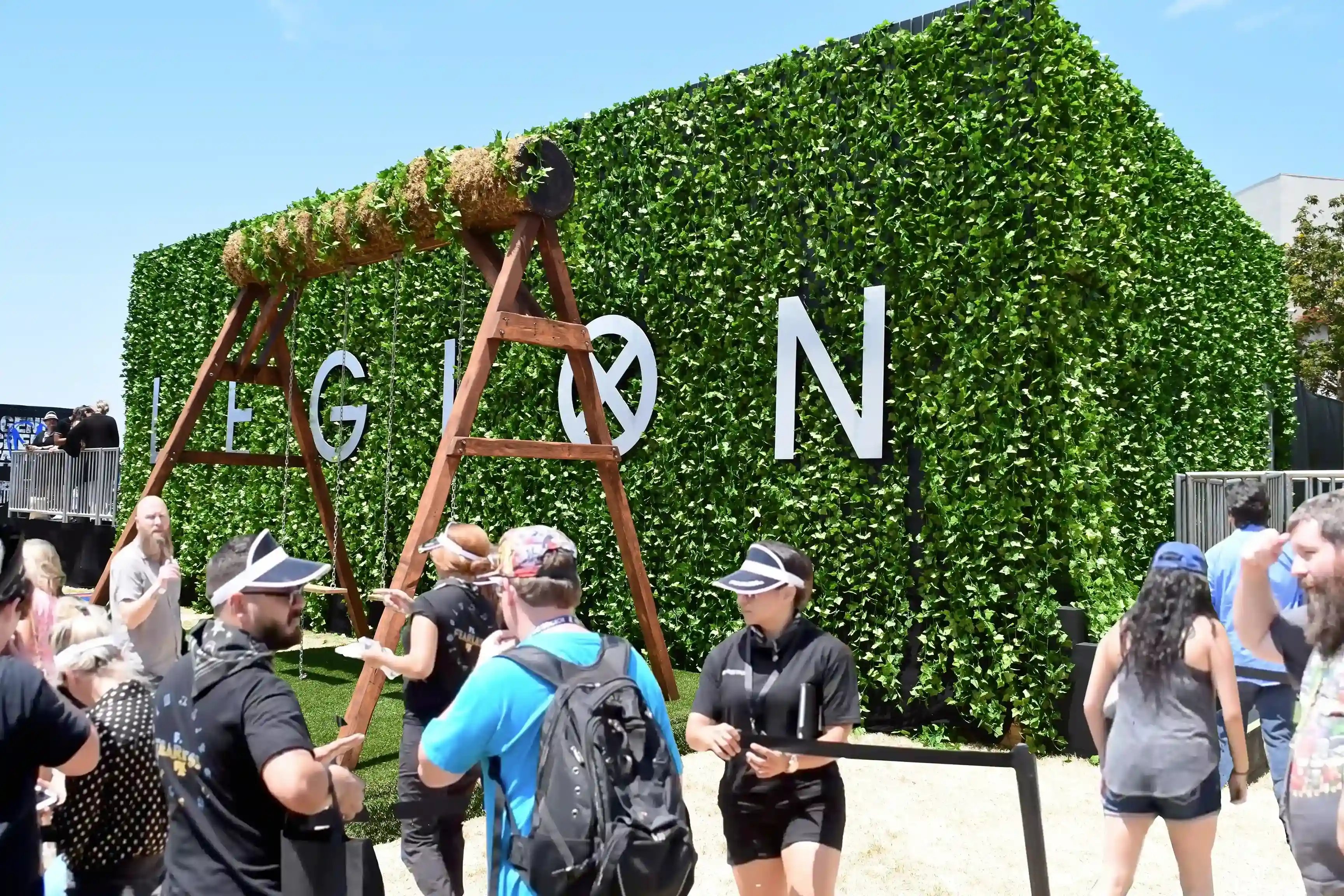
Why FGPG Is the Ideal Partner for Spring and Summer Outdoor Experiences
FGPG is a hybrid experiential, trade show, and integrated event marketing agency that regularly designs environments built to handle large crowds, complex storytelling, and tight timelines. Their 81,000-square-foot facility houses strategy, design, and fabrication under one roof.
Trade show event design expertise speaks directly to outdoor capability. Projects like WayRay at CES, Panasonic at AHR and IBS, Poki at GDC, and Splitgate 2 at Gamescom prove FGPG's ability to create high-impact branded spaces adaptable to any format.
Integrated experiences tell the fuller story. eBay OPEN25, The eBay Market-Verse at New York Comic Con, Kestra Financial Ascend, Cloudinary's ImageCon, and Pacifico Porch at BottleRock are case studies in connecting content, environment, and marketing strategy into a seamless whole.
Why FGPG is a clear choice for outdoor event marketing strategy:
- Cross-industry experience spanning automotive, gaming, consumer goods, health tech, and entertainment
- In-house design and fabrication that eliminates multi-vendor complexity
- Data-informed planning that ties every scenic element back to measurable outcomes
- Museum-level storytelling proven at the Petersen Automotive Museum with exhibits like "Bond in Motion" and "We Are Porsche"
- Sustainable material practices including reusable aluminum inventory and waste reduction protocols
- Rapid build and teardown expertise developed over countless trade show cycles
If you are planning a spring or summer outdoor event, contact FGPG early in your planning cycle so strategy, creative, and production can evolve together from day one.
Example Seasonal Concepts You Can Launch This Year
These ready-to-use outdoor event concepts align with specific spring and summer dates and can be adapted to your brand, budget, and region.
- Cherry Blossom Night Market: Partner with a local botanical garden in April when flowers bloom. Feature art stalls, live music, and seasonal food vendors. Perfect time for creating urgency around a brief natural window.
- June Rooftop Garden Party with Live Jazz: Ideal for corporate hospitality or donor cultivation. Intimate scale, premium F&B, and golden-hour photo opportunities.
- Late-August Innovation Fair in a City Plaza: Borrow ideas from WayRay and Panasonic trade show exhibits with test tracks, tech demos, and panel stages. Works as a "back-to-campus" or new beginnings activation.
- Outdoor Movie Nights: Accessible, budget-friendly, and family-focused. Add food trucks and a brand sponsor activation for a memorable experience.
- Wellness Weekend Retreat: Combine outdoor yoga, workshops with local vendors, and mindfulness stations. Showcase seasonal produce and partner with local businesses.
Treat each concept as a modular block. Butterfly release moments, mini color runs, or a friendly rivalry cooking contest can expand or contract based on budget. The endless possibilities depend on matching ideas to your resources.
| Concept | Lead Time | Budget Tier | Ideal Audience Size |
|---|---|---|---|
| Cherry Blossom Night Market | 4 to 6 months | Medium ($100K to $300K) | 2,000 to 5,000 |
| Rooftop Garden Party | 2 to 3 months | Small to medium ($50K to $150K) | 200 to 800 |
| Innovation Fair | 5 to 7 months | Large ($300K+) | 5,000 to 15,000 |
| Outdoor Movie Night | 1 to 2 months | Small ($20K to $80K) | 200 to 1,500 |
| Wellness Weekend Retreat | 4 to 5 months | Medium ($150K to $350K) | 1,000 to 3,000 |
Adapt each idea to your brand voice, cultural context, and regional climate. A cherry blossom concept in the Pacific Northwest looks different from one in the mid-Atlantic. The season is your canvas. The theme, the art, the display, and the engagement are yours to create.
These FAQs address practical questions that may not have been fully covered above, focusing on planning specifics and working with an experiential agency.
The FG|PG Team
FG|PG was founded nearly 21 years ago. Today we’re one of the largest woman-owned, WBENC Certified, live, hybrid and virtual experiential agencies in the US. That trajectory isn’t accidental. It’s the result of a commitment to continually evolve, to never stop learning, and to always listen to our clients’ needs.