Brand activations and trade show booths serve fundamentally different marketing purposes, and neither is universally superior. Brand activations focus on emotional engagement and brand affinity, while trade show booths prioritize lead generation and business development. Your best choice depends on whether you need long-term brand awareness or immediate, measurable pipeline growth.
Both brand activations and trade show booths can be effective for different objectives. The key is matching the format to your goals, audience, and budget. Below is a detailed comparison to help you make that decision with confidence.
Brand Activation vs Trade Show Booth: Key Differences in Experiential Marketing
The core distinction lies in what each approach optimizes for. Brand activations are immersive brand experience formats designed to evoke emotions, build brand recall, and create memorable moments that audiences share organically. Trade show booths are structured, information-heavy environments built for professionals, where direct sales conversations and relationship building drive measurable business outcomes.
Brand activations target broader consumer audiences through interactive storytelling, sensory design, and social sharing. They often work best at live events as well as in public spaces, festivals, retail environments, and pop-up locations where the goal is to draw people in and create emotional connections. Experiential marketing is a $128 billion global market, reflecting how seriously brands invest in creating experiences that stick.
Trade show booths target decision-makers and B2B prospects through product demonstrations, one-on-one consultations, and professional networking. Trade shows create a concentrated audience interested in a specific industry or market, giving exhibitors direct access to qualified buyers who are already primed for business conversations.
| Dimension | Brand Activation | Trade Show Booth |
|---|---|---|
| Primary Objective | Brand awareness, emotional connection, viral reach | Lead generation, sales pipeline, partnerships |
| Target Audience | Broad consumers, media, influencers | Industry professionals, decision-makers, B2B prospects |
| Format | Immersive, experiential, sensory, shareable | Structured booths, product demos, formal meetings |
| Setting | Public spaces, festivals, retail, pop-ups, fan conventions | Industry-specific exhibitions, conferences, event venues |
| Outcome Timeline | Long-term brand equity and recall (6-12+ months) | Short-to-medium term pipeline and revenue (3-12 months) |
| Engagement Style | Participation-driven, social, emotional | Information-driven, professional, transactional |
Objectives and Goals
Understanding what each approach is designed to accomplish helps you align your marketing strategy with the right format. The objectives differ sharply, and so do the timelines for measuring success.
Brand Activation Objectives
Brand activations focus on creating emotional connections and brand awareness rather than generating immediate conversions. The primary goal is cultivating long-term brand memory and recall that influences purchasing decisions over months and years.
91% of consumers feel more positive after participating in brand experiences, and 70% of users who participated in activations became regular customers. These numbers highlight how activations prioritize long-term memory over immediate conversions, building brand equity that compounds over time.
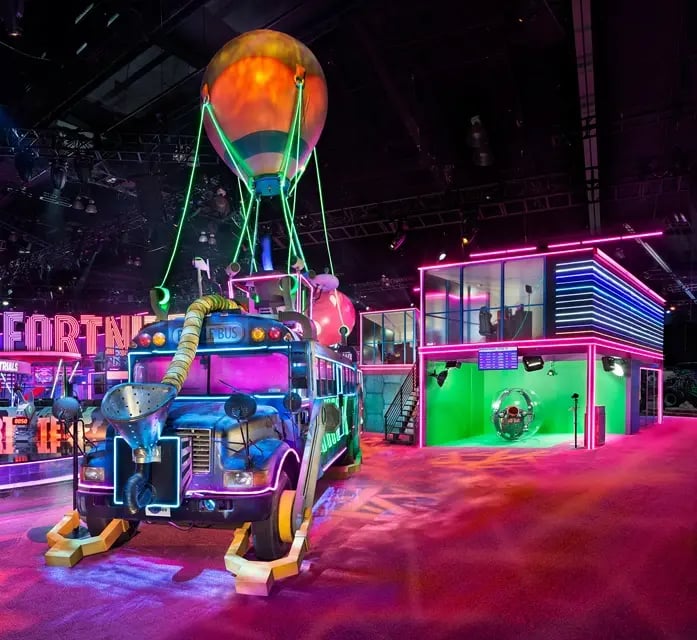
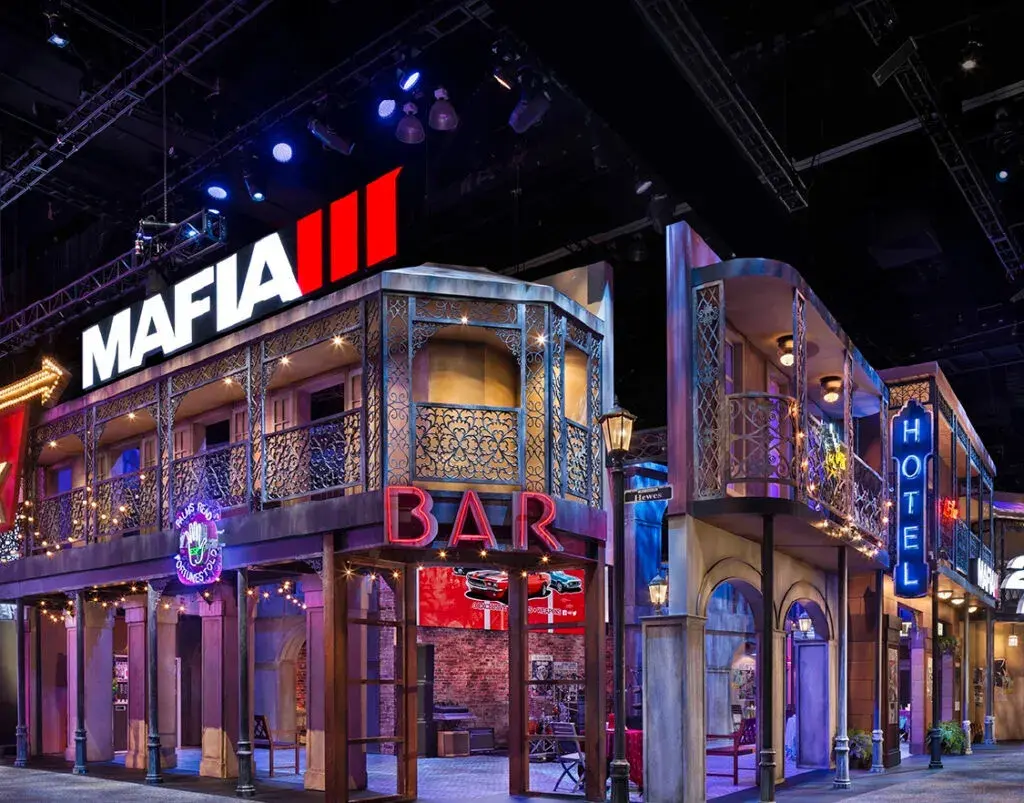
A well-designed creative activation generates organic social media sharing and word-of-mouth marketing through memorable experiences, and a strong brand experience increases both sharing and recall. Attendees share their experience with an average of 17 people, creating organic amplification that extends a brand's reach far beyond the physical event. The best activations, such as Fortnite create viral moments through Instagram-worthy environments, social walls, branded hashtags, and authentic creator participation, inviting attendees to share the brand story on their own channels.
Frameworks like the attract-engage-convert model emphasize that without a conversion layer designed from the start, an activation risks being visually impressive but commercially weak. Brands should also choose influencers whose audience aligns with the activation goal. Sign-ups, sampling, discount codes, and QR code captures should all be woven into the experience design from day one.
Trade Show Booth Objectives
Trade show booth objectives are explicit and measurable because they are built to generate leads, demonstrate products to decision-makers, build partnerships, and accelerate the pipeline. Face-to-face interactions in trade show booths facilitate direct sales and networking, making them one of the most efficient channels for B2B relationship building.
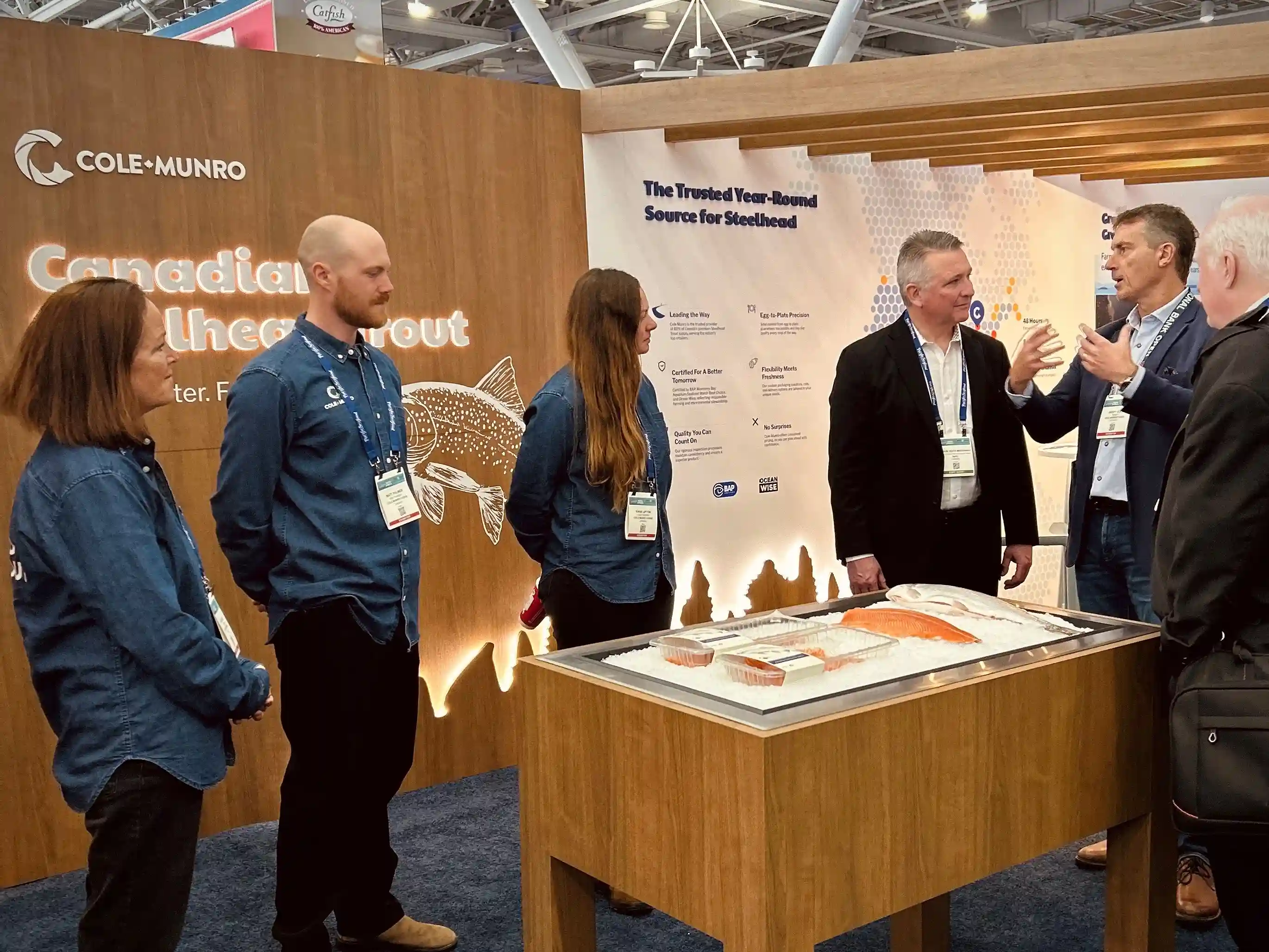
In fact, a challenge we took on recently was figuring out how to showcase the freshness behind Cole Munro’s season-agnostic supply chain, establishing brand story with clear demonstrations of their processes.
Live product demonstrations are the main reason for 92% of trade show visits, underscoring why live demos and product walkthroughs are central to booth strategy. Trade show booths offer measurable results through tracked leads and meetings, with ROI calculated through revenue attribution over 3-12 months.
The focus is on capturing contact info, scheduling follow-up meetings, and moving prospects into the sales pipeline before the event ends. Metrics like cost per lead, pipeline value, and win rate provide instant credibility for the investment.
Audience Engagement Strategies
How you engage attendees differs dramatically between brand activations and trade show booths. One approach pulls people in through emotional experiences; the other creates structured environments for business conversations.
Brand Activation Engagement
Brand activations use the attract layer as the critical entry point. Visual spectacle, sensory cues, and immersive design draw people in from streets, malls, or festival grounds. 93% of event planners are likely to use immersive technology at events, reflecting how AR/VR, projection mapping, and interactive displays have become standard activation elements.
Activations often involve interactive elements like gamified challenges or AR/VR technology. An interactive game, personalization station, or live performance creates real engagement that passive advertising simply cannot match. Gamified experiences increase engagement and lead capture opportunities, turning casual observers into active participants.
Social media visibility is built into the design. Photo opportunities, event hashtags, and social walls encourage user-generated content. 68% of people trust online opinions from other consumers, making this organic content more persuasive than branded advertising. Social sharing activities can extend event reach three to five times beyond physical attendance.
The audience journey is carefully designed: from attracting individuals with spectacle, to engaging them through hands-on participation, to converting them through digital sign ups, free samples, or purchase moments.
Trade Show Booth Engagement
Trade show booth engagement is more structured and intentional. Scheduled product demonstrations and technical presentations let you engage attendees with deep product knowledge. Live demonstrations serve as the primary conversation starter, drawing booth traffic from across the show floor.
One-on-one consultations with trained sales representatives turn casual visitors into qualified prospects. Staff trained to qualify leads on site (by ideal customer profile, pain point, and timeline) dramatically improve post-show conversion rates. Educational content through brochures, case studies, and industry whitepapers builds authority and gives prospects real value to take away.
Interactive data walls serve as conversation starters and data collection tools, blending trade show activation with traditional lead capture. Pre-show outreach (scheduling meetings before the event) and rapid follow up within 24-48 hours after the event massively influence pipeline and win rates.
Budget and Resource Requirements
Cost is often the deciding factor. Both approaches require significant investment, but the cost structures and risk profiles differ considerably.
Brand Activation Budget Considerations
Brand activations carry higher upfront investment in creative design, custom fabrication, and experiential technology. Most mid-market activations fall between $75,000 and $200,000 for single events, while multi-city experiential tours can exceed $500,000.
Hidden costs like overtime, union labor, shipping, and permits often add an unplanned 15-25% beyond initial estimates. Venue permits, insurance, and logistics for mobile setups add complexity that traditional booth exhibitors rarely face.
Immersive environments increase attendee dwell time significantly, but the technology integration expenses for AR/VR, interactive displays, and social media integration can push budgets higher.
| Activation Type | Typical Budget Range (USD) | Main Cost Drivers | Duration and Footprint |
|---|---|---|---|
| Micro-activation / street team / sampling | $10,000 - $50,000 | Staffing (25-40%), sampling and merchandise (10-20%), basic structure, permits | 1-2 days; small footprint (tent or kiosk) |
| Mid-range experiential event or pop-up | $50,000 - $250,000 | Venue and F&B (25-35%), production/creative (20-30%), staffing (15-20%), tech (5-10%) | 2-5 days; larger footprint across locations |
| Major multi-city immersive activation | $250,000 - $1,000,000+ | Custom architecture, advanced tech (AR/VR), media, talent, multi-channel promotion | Multi-day per location; large scale reach |
Trade Show Booth Budget Considerations
Trade show booths have a more predictable cost structure, though show services like internet, and power can represent 15-25% of total booth cost. Space rental, booth build, staffing, travel, and accommodations form the core budget.
Booth design investment should be proportional to show costs. Industry data suggests booth system cost should not exceed roughly 1.5x the single show all-in cost excluding amortization. The advantage is that trade show booth costs are well-documented, making financial planning more reliable.
| Booth Size / Format | Expected Badge Scans or Visits | Visitor-to-Lead Conversion | Typical Cost Per Lead | Pipeline / ROI Metrics |
|---|---|---|---|---|
| 10x10 Inline Booth | 80 - 150 leads total | 10-30% conversion rate | $150 - $350 per lead | Pipeline conversion 4-9% at 90 days; 3:1 to 5:1 revenue-to-cost ratio over 12 months |
| 20x20 Island / Custom Booth | 150 - 350+ badge scans | 15-30% conversion rate | $80 - $280 per lead | Pipeline conversion 7-12% at 90 days; ROI multiples often exceed 3x |
Measurement and ROI Tracking
The effectiveness of brand activations can be measured by brand awareness and social media reach, while trade show booths rely on tracked leads, pipeline value, and closed revenue. Measuring success includes metrics like booth traffic and social shares, but the frameworks differ significantly.
Brand Activation Metrics
Brand activation measurement operates on longer timelines and less direct attribution. Quantitative metrics include social impressions, event attendance, user-generated content volume, and post-event survey results on brand recognition and perception.
91% of consumers are more receptive to purchasing after brand experiences, but mapping that receptivity to actual revenue requires analysis over 6-12 months. Pre vs. post awareness surveys, social listening, monitoring share rates using the event hashtag, and tracking discount codes or sign ups captured during the activation all contribute to ROI measurement.
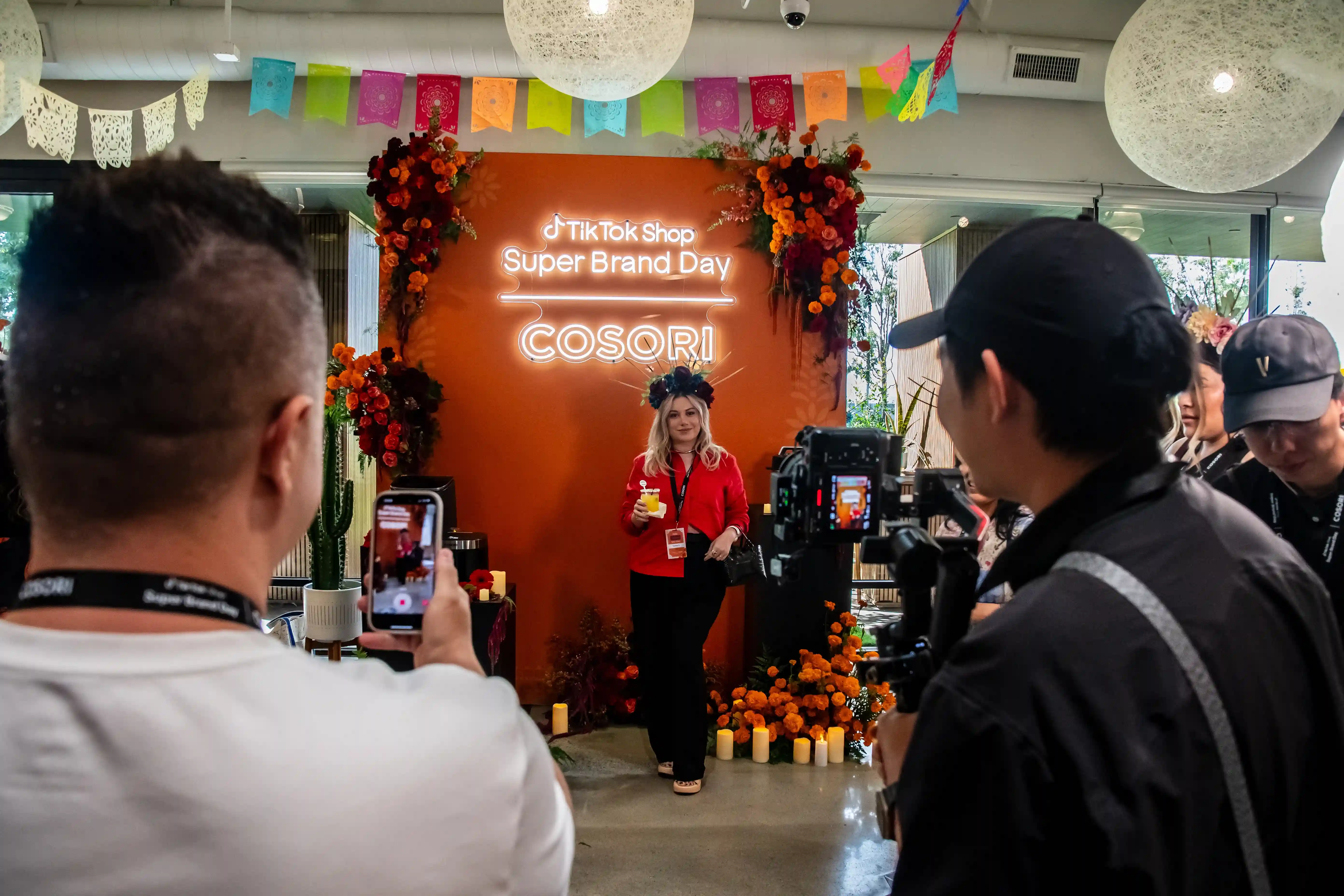
Activations such as the Cosori TikTok Influencer Event can enhance brand recall compared to passive advertising, but the measurement complexity means brands must build tracking mechanisms into the experience design rather than adding them after.
Trade Show Booth Metrics
Trade show booths focus on efficiency and B2B lead generation because they are designed to generate leads in measurable ways, making performance metrics more straightforward. Core KPIs include number of qualified leads, visitor-to-lead conversion rates, cost per lead, and pipeline opportunities generated within 90 days.
Well-executed trade show programs often deliver 3x to 5x revenue-to-cost ratios over a 12-month attribution window. A real-world example: a US company hosting a lounge at a 3-day Las Vegas trade show invested approximately $185,000, captured 812 opt-in leads, generated 94 SQLs in 30 days, closed 19 deals over 12 months at an average deal size of $45,000, and achieved ROI of roughly 3.33x.
| Metric | Brand Activation Focus | Trade Show Booth Focus |
|---|---|---|
| Reach and Impressions | Social media reach, passersby, UGC, awareness lift | Booth visits, badge scans, meeting setups |
| Lead Quality | Sign ups, sampling conversion, pre-qualified audiences | Qualified leads, pipeline, win rates |
| Cost Efficiency | Cost per reach / cost per UGC / cost per sample | Cost per lead / cost per pipeline opportunity |
| Time to Revenue | Extended; conversion may occur over 6-12 months | Shorter windows; many leads convert within 3-9 months |
| Brand Lift | Sentiment, recall surveys, share of voice | Credibility, authority, competitor benchmarking |
Design and Setup Considerations
The design philosophy behind each format reflects its core purpose. One creates emotional experiences; the other facilitates efficient business conversations.
Brand Activation Design
Brand activation design revolves around the visitor journey: arrival, exposure, engagement, and conversion. Creating Instagram-worthy backdrops, immersive environments, and shareable branded visuals is essential. The aesthetic must align with the brand's identity to avoid mismatch that undercuts impact.
Incorporating sensory design elements like lighting, sound, texture, and interactive technology transforms a brand stand into a memorable experience. Brand activations create memorable experiences over traditional displays by engaging multiple senses simultaneously.
Modular and reusable structures help amortize costs across multiple events. Flexible setups that work across different event venues and formats provide better long-term value. Audience flow and experience journey design takes priority over traditional display organization. Every zone should serve a purpose in the attract-engage-convert framework.
Trade Show Booth Design
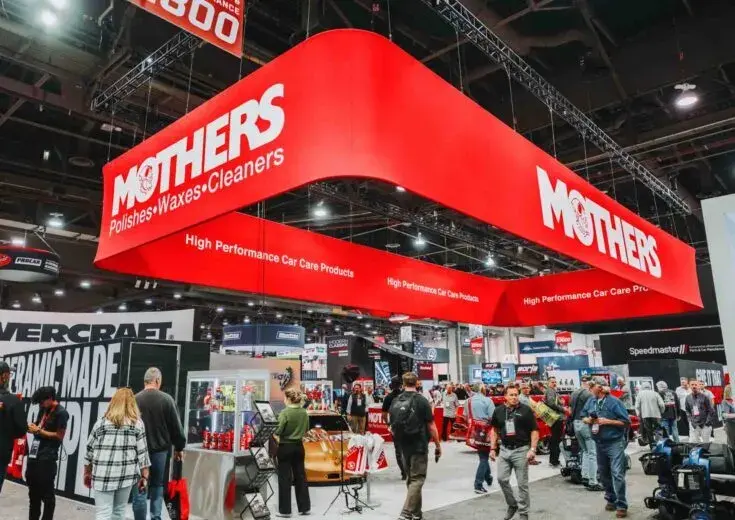
Trade show booth design emphasizes clarity, professionalism, and efficiency. Product display areas, literature racks, demo zones, and meeting spaces must be clearly defined. The booth design should facilitate conversations through comfortable seating and private or semi-private discussion zones.
Companies can augment traditional booths with immersive technology to attract visitors, incorporating interactive demos, live demo stations, and digital experiences that increase dwell time without sacrificing the professional environment. Branded swag and promotional products can drive booth traffic, but done poorly, they attract low-intent contacts.
Polished corporate aesthetics communicate instant credibility and industry authority. The show booth should balance visual impact with practical functionality, ensuring that staff can answer questions, deliver a focused sales pitch, and capture leads efficiently.
Industry and Event Type Considerations
Industry context and event type heavily influence which approach delivers better results.
Consumer-facing brands in sectors like FMCG, fashion, hospitality, and automotive have found brand activations more effective for generating buzz, trial, and social sharing. These brands benefit from activation ideas deployed at festivals, retail locations, and public events where broad audiences encounter the brand organically.
B2B companies typically achieve better results from trade show booths at industry conferences and professional exhibitions. A tech conference, for example, concentrates decision-makers who are actively evaluating solutions, making the trade show floor an ideal environment for direct sales conversations and partnership development.
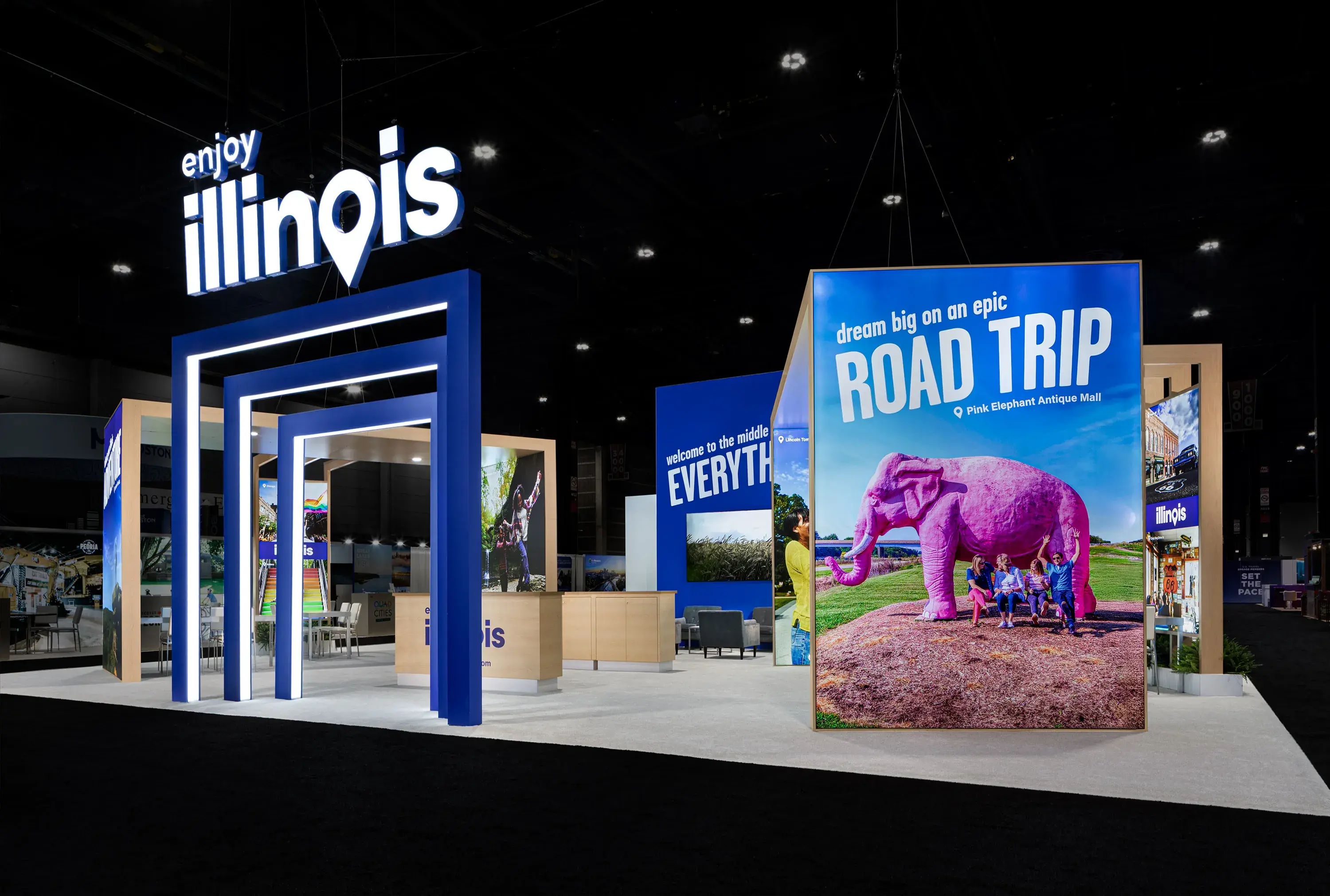
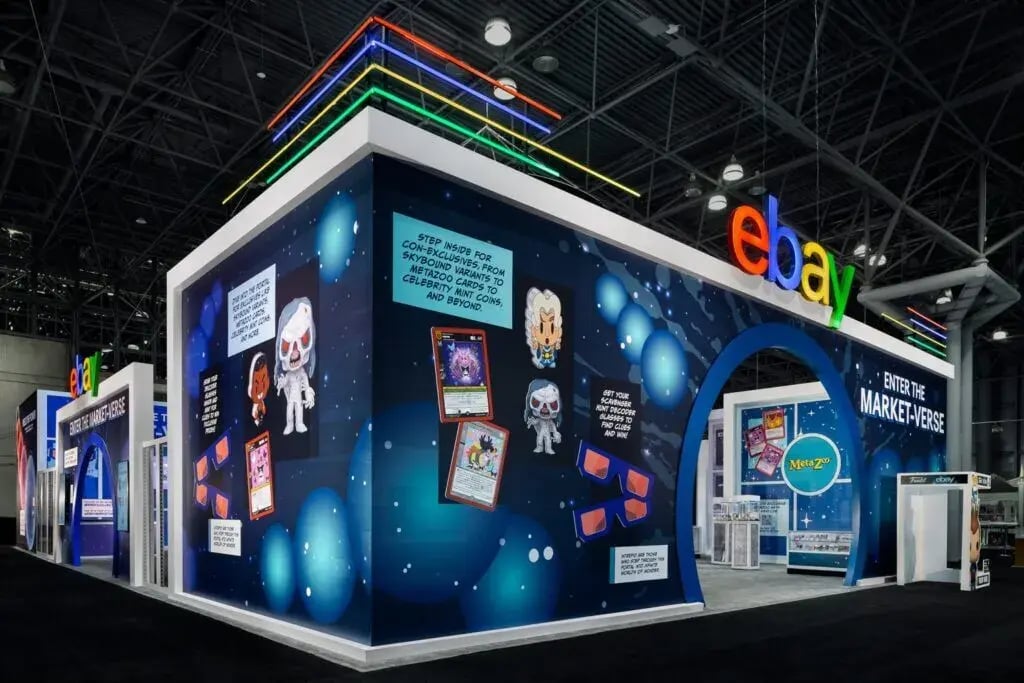
Modern strategies often blend brand activations and trade show booths for enhanced engagement. Many B2B brands today build activation elements into their booths, incorporating photo walls, interactive experiences, or surprise performances to maximize attendee engagement while maintaining lead capture as the primary objective. These booth activation ideas create the emotional pull of an activation within the structured environment of a successful trade show presence.
Event audience demographics, event venue restrictions, and competitive landscape all matter. Using public venues demands permits and public liability coverage but offers unfiltered foot traffic. Trade shows deliver filtered, pre-qualified audiences but may generate less emotional connection. Hybrid models, like hosting a sampling activation on the street near a trade show, capture attention beyond the trade show floor while still feeding leads into the pipeline.
Brand Activation vs Trade Show Booth: Which Should You Choose?
Choose brand activation if your goal is building awareness, changing brand perception, and creating viral marketing moments. This approach works best for product launches, rebranding initiatives, and situations where shifting how your target audience feels about your brand matters more than immediate revenue. 91% of consumers are more receptive after brand experiences, and 70% of users who participate in activations become regular customers, making activations a powerful long-term investment in brand equity.
Choose trade show booths if you need qualified leads, direct sales conversations, and measurable business development outcomes. Live product demonstrations attract 92% of trade show visitors, and well-managed programs routinely deliver 3x to 5x returns. When your organization can follow up leads efficiently and measure outcomes over 3-12 months, trade shows provide predictable, scalable pipeline growth.
Consider hybrid approaches that combine activation elements with traditional booth functionality for maximum impact. A creative activation zone within a professional booth captures the emotional resonance and social media visibility of experiential marketing while maintaining the lead generation infrastructure of a traditional trade show presence. This is where the next activation thinking is headed, and where many of the best activations already operate.
Align your choice with your business stage, marketing budget, target audience, and specific event objectives. Both approaches deliver strong ROI when properly planned and executed with clear success metrics and follow up discipline. The real risk is not choosing the wrong format. It is choosing either format without building measurement into the design from the start.
The FG|PG Team
FG|PG was founded nearly 21 years ago. Today we’re one of the largest woman-owned, WBENC Certified, live, hybrid and virtual experiential agencies in the US. That trajectory isn’t accidental. It’s the result of a commitment to continually evolve, to never stop learning, and to always listen to our clients’ needs.

.svg)
.svg)

.svg)
.jpg)