
Key Takeaways
- Experiential marketing has grown into a core driver of brand strategy in 2026. The old "brief and build" vendor model cannot deliver the immersive experiences, hybrid touchpoints, and measurable outcomes that modern campaigns demand. Brands need agency partners who co-own the strategy and KPIs from day one.
- FGPG is a leading experiential marketing agency specializing in integrated trade show event design and brand activation. Their portfolio includes Panasonic at AHR/IBS, WayRay at CES, Netflix at Comic-Con, Cars Commerce at NADA, and dozens more projects spanning B2B technology, gaming, tourism, and entertainment.
- The new partnership process is built on shared brand strategy, clear objectives, co-owned KPIs, and social media integration planned from the start, not bolted on after the booth is built.
- FGPG's end-to-end model (strategy, design, fabrication, digital content, and measurement) reduces friction, improves creative coherence, and delivers measurable growth across multi-event programs. The article provides process maps, data tables, and comparison tables to help marketing leaders redesign how they brief, select, and collaborate with their experiential marketing agency.
Why Experiential Brand-Agency Partnerships Must Change Now
The marketing landscape between 2024 and 2026 has shifted fast. B2C experiential marketing spending grew to $81.92 billion globally in 2023, with the U.S. alone accounting for roughly $52.8 billion. The IAEE/CEIR Index for 2024 shows increases in exhibit space sold, professional attendance, and revenue, with forecasts through 2027 remaining positive. Experiential marketing creates immersive, memorable brand interactions that engage people more directly than traditional advertising, and companies are investing accordingly.
But here is the problem: the rising complexity of experiential marketing campaigns across trade shows, fan conventions, and hybrid experiences has shifted the traditional agency model. Consider the difference between a simple 10x10 booth and what FGPG built for Cars Commerce at the NADA Show or Netflix activations at Comic-Con. These are multi-zone, technology-rich, content-generating environments that serve different audience segments simultaneously. Brand activation agencies enhance corporate events through strategic engagement, and the old approach of passing a brief over the wall no longer works. Improving the brand-agency partnership for experiential marketing requires agility and transparency at every phase.
Fragmented vendor stacks, where one firm handles strategy, another builds the booth, a third manages digital content, and a fourth runs social, slow brands down and dilute brand storytelling. The rest of this article is a practical blueprint to redesign that process so your experiential marketing works as a continuous brand experience system, not a series of disconnected stunts.
From One-Off Experiential Marketing Campaigns to Ongoing Brand Experience Systems
Leading brands in 2027 treat experiential marketing as an always-on pillar of their strategy, not a once-a-year trade show checkbox. Experiential marketing can include live events and interactive installations, and the most effective ways to capture value from those investments is to connect them into a system.
The contrast is stark. A traditional episodic approach means a single trade show booth ships, the show happens, the booth gets packed up, and nobody follows up. An ongoing brand experience system connects pre-show content, onsite activation, and post-show touchpoints across social media, CRM, and sales enablement to create a lasting impression that extends beyond the event itself. Experiential marketing campaigns should nurture long-term relationships, not vanish after the strike.
FGPG demonstrates this system approach through programs like Choose Chicago and Enjoy Illinois at IPW. These are not isolated appearances, as many tourism campaigns run year after year, evolving in design, messaging, and presence while building on the brand's journey. Experiential marketing benefits from sustained partnerships rather than constant rebidding, and lifecycle planning ensures that each event compounds brand equity for the next.
Key Components of a Modern Brand-Agency Partnership
The foundation of any successful collaboration between a brand and an experiential marketing agency rests on a handful of key components that must be agreed upon before anyone sketches a floor plan.
Brand activation agencies create immersive brand experiences by blending strategy, design, and engagement into a unified program. Agencies can add more value when they are involved during the business problem and audience insight stages, where audience pain points should be identified before execution begins, not just at execution. Experiential marketing requires a combination of strategy, creative production, logistics, and measurement to succeed. Agencies should be involved in decision-making processes around budget changes, sponsorship commitments, and vendor selections.
Core components of the new model include: shared brand strategy and co-creation of brand stories, co-developed clear objectives and KPIs, integrated creative and fabrication with digital content, social media integration planned from day one, real-time data capture and behavioral data tracking, and post-event optimization cycles. Establishing a shared audience intelligence environment can improve co-creation across every phase.
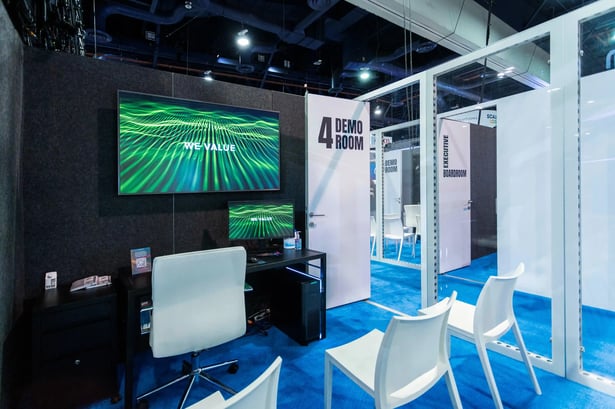
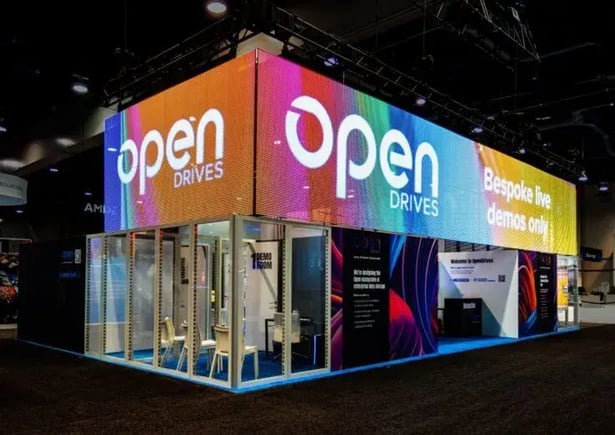
FGPG operationalizes this approach across its portfolio. The WayRay CES interactive booth and the OpenDrives NAB exhibit were both built around jointly defined KPIs like qualified demos, press coverage, and content output. The following sections and tables unpack each component.
Aligning on Brand Strategy & Story Before Structure
Brand strategy and brand storytelling must be co-created between brand and agency, not delivered as a static PDF and handed off. Engaging storytelling is crucial for effective audience engagement, and the creative vision for any experience should start with the story the brand wants to tell.
Agencies focus on building an emotional connection with audiences, and that work starts in the strategy phase, not on the show floor. Audience insight is crucial for effective experiential marketing. Audience engagement requires understanding community needs and values. Experiential marketing aims to foster emotional connections with consumers, and the best way to achieve that is through story before structure.
A collaborative strategy phase should align on:
- Value proposition and how it translates into a physical experience
- Audience segments and what each needs from the activation
- Cultural context in 2026 and how the experience aligns with broader conversations
- How the experiential marketing campaign will advance the same brand message across channels
FGPG's work with SPARQ at AutoMobility LA and Panasonic Lumix at VidCon shows how story informed every design decision, from layout to interactive demos to content capture zones. When the brand stands for something clear, every square foot of the activation reinforces it.
Old vs New Experiential Partnership Model
The following comparison table contrasts the legacy transactional model with the 2026 integrated partnership model. This is where brand collaborations either thrive or stall.
| Dimension | Old Model: Vendor Relationship | New Model: Strategic Experiential Partner |
|---|---|---|
| Objective Definition | Single event lead count only | Full funnel: scans, content engagement, pipeline influence, brand loyalty tracking |
| Collaboration Style | Brief handed to agency, minimal dialogue | Co-creation workshops, ongoing alignment through structured collaboration cycles |
| Timeline | Compressed into pre-show build window | 9-18 month engagement covering strategy, design, content, and measurement |
| Scope | Build the booth and handle logistics | Strategy, design, fabrication, digital, social, content, analytics |
| Ownership of Data | Post-show reports delivered weeks later | Real-time data capture, shared dashboards, co-owned insights |
| Digital/Social Integration | Bolted on at the end or handled by a separate vendor | Baked into event design from day one: content studios, creator partnerships, AR moments |
| Measurement Depth | Vanity metrics (badge scans, foot traffic) | Qualitative and quantitative: ROI, pipeline attribution, social sentiment, dwell time |
Defining Clear Objectives & Shared KPIs for Experiential Marketing
Clear objectives guide experiential marketing campaigns for measurable success. Without them, even the most stunning immersive environments are impossible to evaluate. Successful brand activation requires measurable results and clear objectives defined before anyone picks a carpet color.
Joint decision rights and shared KPIs yield more authentic experiential programs. Audience insight is crucial for effective experiential marketing campaigns, and the KPI framework should reflect what matters to both the brand and the agency.
Typical objectives for trade show event design and integrated experiences include:
- Brand awareness: press coverage, media value, impressions
- Product education: seminar attendance, demo interaction counts, dwell time
- Lead generation: qualified scans, meeting bookings, post-show follow-ups
- Partner and press meetings: B2B meetings, press briefings
- Social media engagement: content output, share rate, user-generated content
- Post-show pipeline impact: deals initiated, conversion rates
Clear objectives guide the measurement of experiential marketing success, and measurable results include engagement, lead quality, and conversions. In practice, a KPI workshop between a brand and FGPG might start with aligning on the target audience for a show like NAB, defining what counts as a "qualified demo" for OpenDrives, and agreeing on daily content output targets for the social team.
Objective-to-KPI Mapping for Trade Show & Experiential Programs
This data table maps common experiential marketing objectives to concrete KPIs, measurement methods, and FGPG project examples.
| Objective | Example Event | Primary KPIs | Secondary KPIs | FGPG Example |
|---|---|---|---|---|
| Launch new B2B product | Panasonic at AHR | Qualified technical leads, demo bookings | Seminar attendance, content downloads | Panasonic AHR/IBS modular exhibit with audience-zoned layout |
| Grow fan community and engagement | Netflix at Comic-Con | Social content output, app downloads | Dwell time, media mentions, post-show community growth | Netflix fandom activation with immersive brand moments |
| Drive tourism inquiries | Choose Chicago at IPW | Trade and tourist leads, qualified meetings | Social media engagement, website traffic lift | Choose Chicago/Enjoy Illinois multi-year IPW presence |
| Hybrid event reach | Kestra Financial Ascend | Virtual attendance, engagement rate, sessions viewed | Lead capture from virtual booths, content downloads | FGPG virtual conference design and engagement planning |
| Product education at trade show | OpenDrives at NAB | Demo completion rate, 15%+ increase in qualified scans vs prior year | Press briefing attendance, content zone interactions | OpenDrives NAB booth with integrated demo stations |
| Gaming IP launch activation | Marvel SNAP at Comic-Con | Game downloads, fan sign-ups, social reach | Influencer partnerships reach, earned media value | Marvel SNAP activation at NYCC |
| Virtual conference engagement | Cloudinary ImageCon | Session completion rate, virtual booth visits | Post-event content consumption, lead scoring | FGPG's ImageCon virtual conference production |
Co-Designing Trade Show Event Design & Integrated Experiences
Co-design is where the partnership becomes tangible. Brands and agencies should jointly design immersive environments that fuse architecture, technology, and content into a seamless attendee journey.
FGPG's process for integrated trade show event design follows a structured path: discovery and audience mapping, 3D concepting, traffic flow mapping, content zone planning, and prototyping. Interactive elements increase engagement in experiential marketing, and multisensory engagement improves memory recall of experiences. That is why every zone, from demo stations to content capture areas to meeting rooms, gets designed with participation and sensory engagement in mind.
Live experiences involve physical execution and unpredictable variables, which is why co-design workshops align creative ambition with fabrication feasibility. Interactive elements increase audience participation and engagement when they are planned from the start, not retrofitted.
Portfolio examples illustrate the range:
- WayRay's interactive CES space: high-tech B2B with augmented reality and sensory immersion
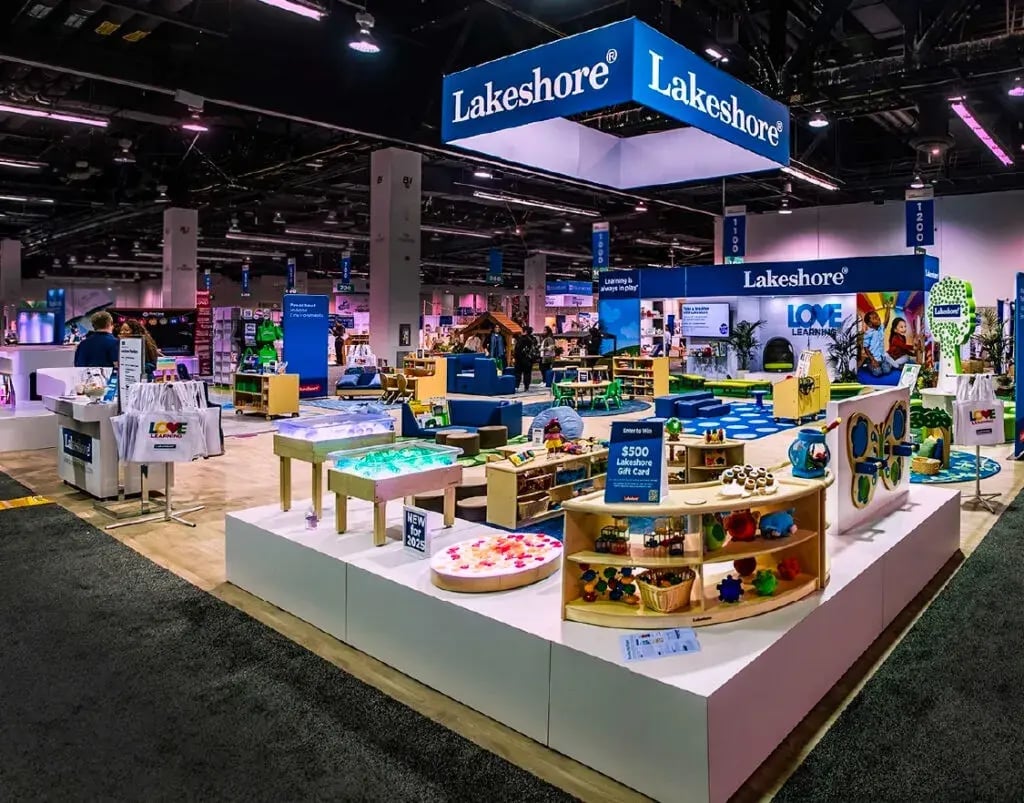
- Lakeshore Learning at NAEYC: education-focused trade show with hands-on demos for teachers
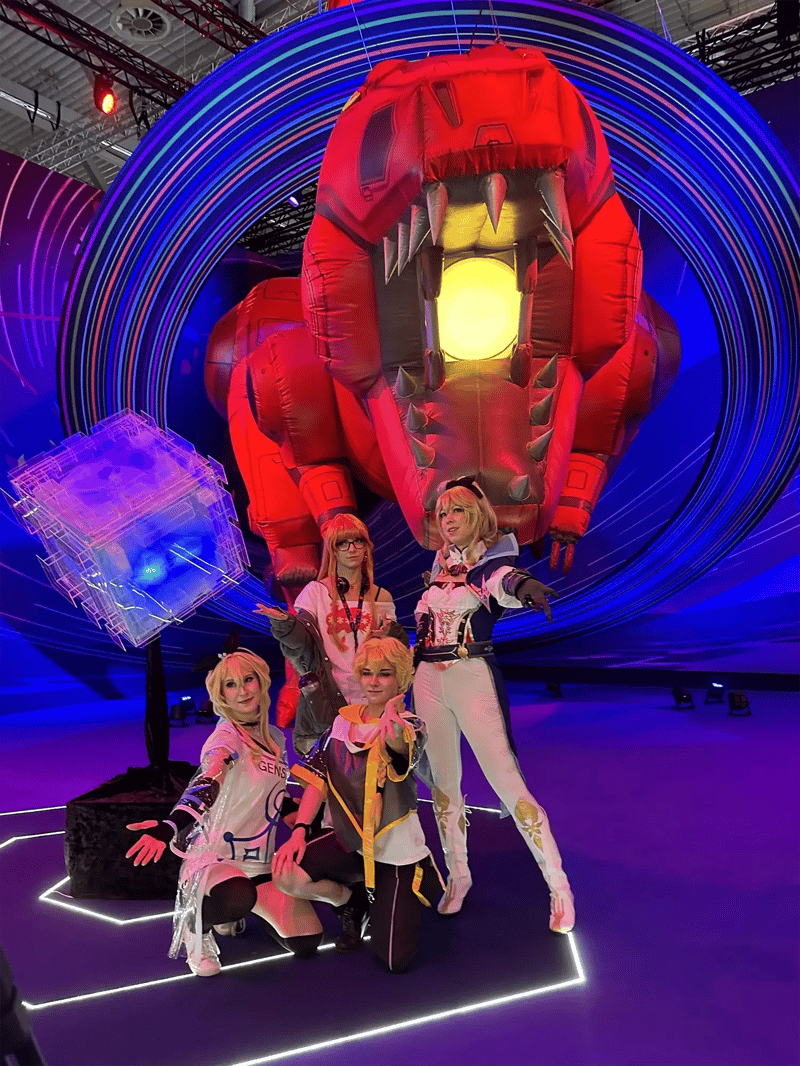
- 1047 Games' Splitgate 2 at Gamescom: gaming fandom activation designed for new customers and community building loyalty
Specialist Vendors vs Integrated Experiential Partner (FGPG)
Choosing between a stack of specialist vendors and one integrated experiential marketing agency has real consequences for cost, speed, and brand consistency.
| Dimension | Multi-Vendor Stack | Integrated Partner (FGPG) |
|---|---|---|
| Creative Coherence | Fragmented across vendors; brand stories may feel inconsistent | Unified brand storytelling from strategy through fabrication |
| Cost Predictability | Variable; multiple mark-ups, logistical surprises | Modular, multi-show cost efficiencies (e.g., Panasonic dual-show system) |
| Time to Market | Procurement delays; misaligned vendor schedules | Back-to-back show delivery proven across CES, NAB, Comic-Con |
| Accountability | Diffused; scope gaps between vendors | Single point of accountability for every deliverable |
| Data & Measurement Quality | Fragmented reporting across digital, booth, and social vendors | Integrated measurement and reporting across all touchpoints |
| Example | Brand splits work among booth builder, digital agency, and social team | FGPG delivers eBay Market-Verse at Comic-Con end-to-end |
DIY In-House vs FGPG as Your Experiential Marketing Agency
Many companies attempt to run experiential marketing in-house. For smaller activations, that can work. For complex trade show circuits, multi-city tours, and IP-driven fan experiences, the tradeoffs become steep.
| Dimension | In-House Only | FGPG Partnership | Risk Level (In-House) |
|---|---|---|---|
| Creative Bench Strength | Limited to internal team bandwidth | Dedicated experiential creative team with category expertise | Medium |
| Fabrication & Install Teams | Must be outsourced per event | In-house fabrication with pre-wiring and prototyping | High |
| Experience With Major Shows (CES, NAB, Comic-Con) | Steep learning curve for each venue | Hundreds of builds since 2010 across flagship shows | High |
| Innovation Velocity | Slow; internal teams juggle other priorities | Dedicated focus on new technology, virtual reality, and immersive design | Medium |
| Measurement & Reporting | Narrow metrics; internal bias possible | Integrated digital zones, content capture, full-funnel insights | Medium |
| Complex Activation Example | Marvel SNAP at Comic-Con would require hiring multiple freelancers and vendors | FGPG delivered the entire activation as one partner | Very High |
Integrating Social Media and Content Creation into Experiential Marketing
Social media integration can no longer be an afterthought. It must be baked into event design, attendee journeys, and stage programming from the first strategy session. Social media integration expands the reach of experiential events far beyond the show floor, and tracking social media mentions can measure campaign impact in real time.
Effective audience engagement strategies build brand loyalty when every in person event is designed to create content that reaches a wider audience online. FGPG designs physical spaces with content angles, lighting, and sightlines optimized for platforms like TikTok, Instagram, YouTube, and LinkedIn.
Tactics that create moments worth sharing:
- Live content studios inside booths for creator partnerships and influencer partnerships
- Augmented reality photo moments and shareable set pieces
- Live streaming stages with daily programming (as seen in FGPG's Fortnite activation at E3)
- Creator meet-ups and gameplay stations (Poki at GDC)
- Pop up shops and merchandise drops integrated into the activation footprint
A brand can generate a full week of social content from a single 3-day show when the experience is designed for content capture. FGPG's work across gaming, entertainment, and technology shows proves that engagement marketing and content production are inseparable from the physical experience.
Using Data & Feedback Loops to Refine the Partnership Over Time
Data in experiential marketing goes beyond badge scans. It includes behavioral data, content engagement, social sentiment, and post-event pipeline impact. Data-driven insights enhance audience engagement strategies significantly, and data-driven insights inform strategy and improve decision-making across every cycle.
Brands and FGPG can establish event scorecards that include:
- Quantitative metrics: traffic, leads, dwell time, content output
- Qualitative inputs: sales team feedback, attendee interviews, social sentiment
- Predefined attribution and reporting methods essential for success measurement
Creating a unified measurement framework ties experiential outcomes to broader brand metrics, connecting what happened on the show floor to what happens in the pipeline. Hybrid and virtual projects like Kestra Financial's Ascend Virtual Conference and Cloudinary's ImageCon produce richer data because every click, session view, and interaction is trackable.
Feedback loops are crucial for capturing learnings for future collaborations. Mandating data-and-learnings debriefs post-activation can enhance future collaboration effectiveness. A modern partnership includes post-mortem workshops after each experiential marketing campaign to optimize creative, staffing, and measurement for the next cycle.
Process Blueprint: How to Partner with FGPG for Experiential Marketing Success
Structured collaboration cycles can reduce misalignment in experiential marketing. Here is FGPG's partnership blueprint from discovery to debrief:
- Discovery & Brand Strategy: Workshops to define value proposition, audience segments, and cultural context. Establish an audience intelligence environment.
- Experience Design: 3D concepting, traffic flow mapping, content zone planning. Co-design workshops ensure the brand experience feels premium and the experience aligns with business goals.
- Production & Logistics: Modular fabrication, pre-wiring, prototyping. Building operational playbooks ensures consistency across markets in experiential marketing.
- Onsite Operations: Installation management, contingency plans, safety compliance. Shared experimentation budgets can foster innovation during live activations.
- Measurement & Insight: Post-mortem debriefs, optimization recommendations for the next event.
FGPG serves B2B technology, automotive, tourism, gaming, streaming entertainment, and countless brands. The integrated team structure (strategy, creative, fabrication and analytics) reduces friction compared to coordinating multiple agencies and is one of the most effective ways to deliver brand building at scale.
Why FGPG Is the Ideal Experiential Marketing Agency Partner for 2026 and Beyond
The modern brand-agency partnership needs deep category expertise, integrated capabilities, and a bias for measurable outcomes. Experiential marketing is a powerful tool for brand engagement, but only when the partnership is built for the long term. FGPG's track record speaks directly to every dimension that matters.
Reasons to choose FGPG:
- Hundreds of trade show event design builds since 2010, spanning major shows like CES, NAB, AHR, NADA, IPW, Comic-Con, Gamescom, GDC, and VidCon
- Strong IP-based activations for Netflix, Marvel SNAP, Fortnite, 2K Games, eBay, and Fall Guys that connect brands with new customers through memorable experiences and lasting impressions
- Proven hybrid and virtual capabilities through projects like Kestra Financial's Ascend and Cloudinary's ImageCon
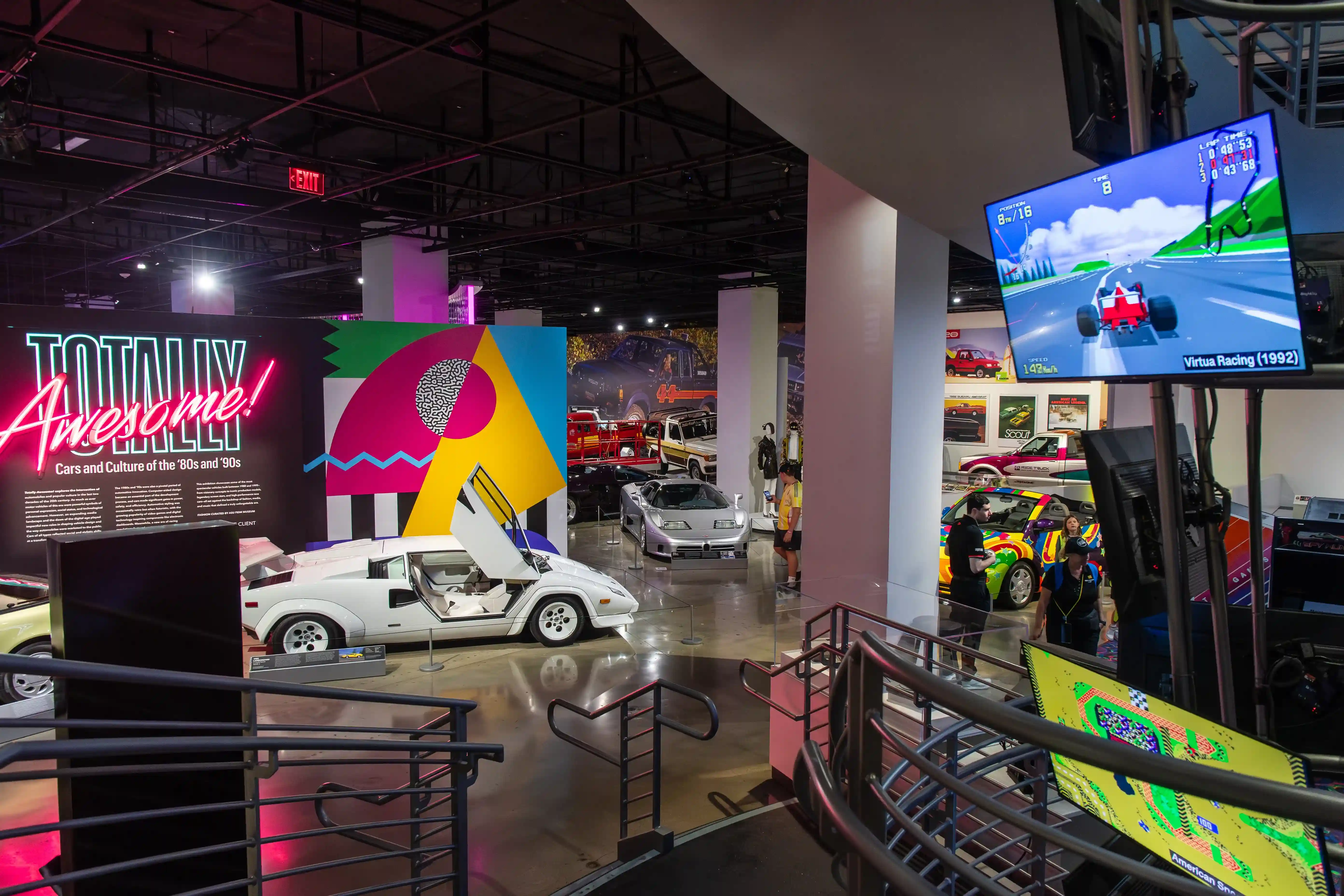
- Craftsmanship and reliability demonstrated by museum-grade work like the Bond in Motion and "Totally Awesome" installations at the Petersen Automotive Museum, where structural integrity and guest safety were paramount
- End-to-end integration from brand values alignment through post-event measurement, delivering a new category of partnership that replaces fragmented vendor stacks
The brands that succeed in engagement marketing over the next two years will be the ones that treat their agency as a strategic partner, not a vendor on speed dial. Start your 2026-2027 experiential planning cycle now by engaging FGPG early for strategy, design, and execution. The sooner you bring life to your brand stories through live experiences, the faster you connect with the customers and communities that matter most.
These questions cover practical concerns about experiential marketing partnerships not fully addressed in the sections below.
The FG|PG Team
FG|PG was founded nearly 21 years ago. Today we’re one of the largest woman-owned, WBENC Certified, live, hybrid and virtual experiential agencies in the US. That trajectory isn’t accidental. It’s the result of a commitment to continually evolve, to never stop learning, and to always listen to our clients’ needs.

.svg)
.svg)

.svg)
.png)