A well-built event marketing strategy is the difference between a forgettable booth and a growth engine that feeds your pipeline for months. In this guide, you will learn how to plan, execute, and measure events that consistently deliver qualified leads, media coverage, and brand momentum, with real examples from FGPG's portfolio spanning trade shows, fan conventions, and integrated brand experiences.
Key Takeaways
- An event marketing strategy is a goal-anchored roadmap that connects your target audience with in person and hybrid experiences through coordinated channels like social media marketing, content, email campaigns, and paid ads. FGPG specializes in translating that strategy into high-impact trade shows, conferences, fan activations, and integrated campaigns.
- Effective marketing strategies go beyond logistics. They define audience segments, event formats, messaging, measurement frameworks, and creative direction before a single booth wall is built.
- FGPG has proven this approach across events like Panasonic at AHR and IBS, Cars Commerce at the NADA Show, and Netflix at Comic-Con, consistently driving qualified leads, media buzz, and pipeline. With 74% of Fortune 1000 marketers planning to increase event budgets in 2025 and 82% of attendees preferring in-person events over virtual formats, the opportunity to invest smartly is enormous.
- This article walks through a pragmatic, step-by-step event marketing plan covering pre-event, in-event, and post-event tactics, plus specific trade show and experiential design considerations.
- You will see concrete data tables, comparison tables, and real project examples to help you benchmark performance and understand why FGPG is the clear agency partner for event marketing strategy.
What Is an Event Marketing Strategy Today?
Event marketing strategy is the roadmap that connects broader business objectives to a calendar of in person, hybrid, and virtual events. It defines how to promote events, who to reach, what to say, and how to measure ROI, rather than leaving those decisions to chance.
A complete strategy covers audience definition, positioning, event format selection, marketing channels, content plan, and a measurement framework. It is not a list of promotional tactics. It is the logic that ties those tactics together so every dollar and hour of effort compounds.
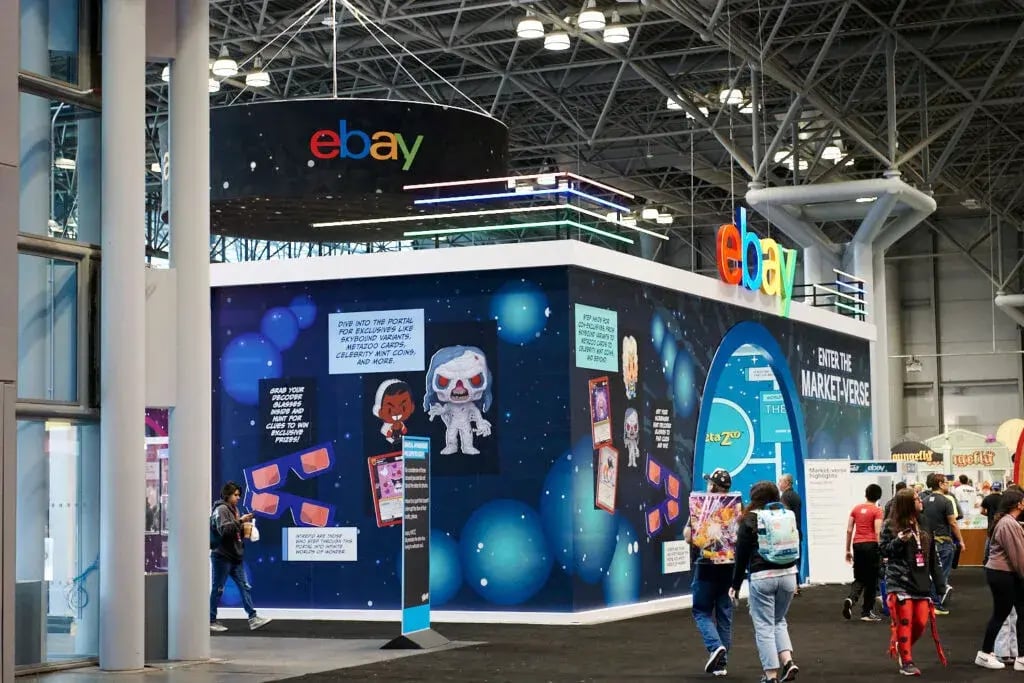
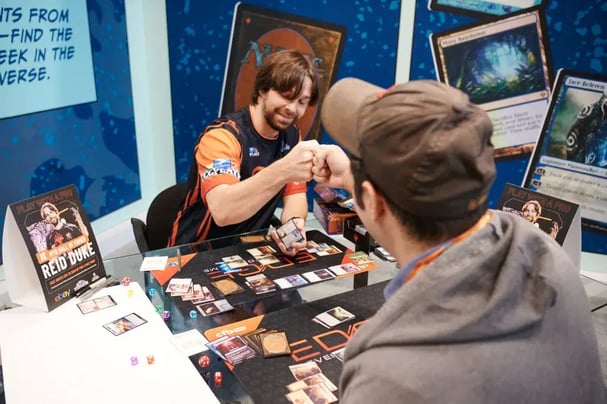
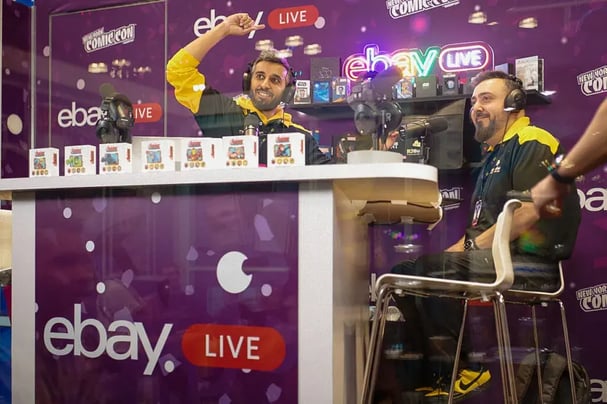
Consider how FGPG approached The eBay Market-Verse at New York Comic Con. The activation was not just an experiential installation. It was anchored in a clear strategy that linked immersive physical design, social buzz via event hashtags, and marketplace signups into a single funnel. That kind of alignment is what separates a successful event marketing strategy from an expensive photo op.
An effective event marketing strategy aligns clear goals with targeted outreach and bridges digital marketing and face-to-face experiences. A compelling value proposition articulates what unique experiences the event delivers. Without it, you are planning an event. With it, you are building a growth engine.
Here is a quick contrast:
- Tactics-only event: Ad hoc booth, generic swag, no pre-show outreach, leads collected but never followed up. Pipeline impact is minimal.
- Strategy-led event: Audience-mapped messaging, content calendar, channel mix, booth designed for demos and lead capture, post-event nurture in place. Pipeline impact is measurable and repeatable.
Later sections unpack how FGPG builds these strategies for brands in tech, automotive, entertainment, and retail.
Event Marketing vs Event Planning: What's the Difference?
Event planning focuses on logistics: venue selection, AV setup, run-of-show schedules, catering, and floor plans. Event marketing focuses on driving the right people to attend, engage, and convert before, during, and after the event. Both are essential, but confusing them causes gaps that cost you leads and budget. Core phases of event marketing include goal setting, audience definition, and promotion outreach.
|
Dimension |
Event Planning |
Event Marketing |
|
Primary focus |
Logistics, operations, vendor coordination |
Audience acquisition, engagement, pipeline |
|
Key deliverables |
Floor plans, AV specs, catering, schedules |
Content calendars, paid ads, email campaigns, social media posts |
|
Success measures |
On-time delivery, budget compliance |
Registration rates, qualified leads, brand awareness lift |
|
Typical owner |
Operations or event management team |
Marketing team or agency partner |
|
Timeline emphasis |
Build and install deadlines |
Promotion windows, nurture sequences |
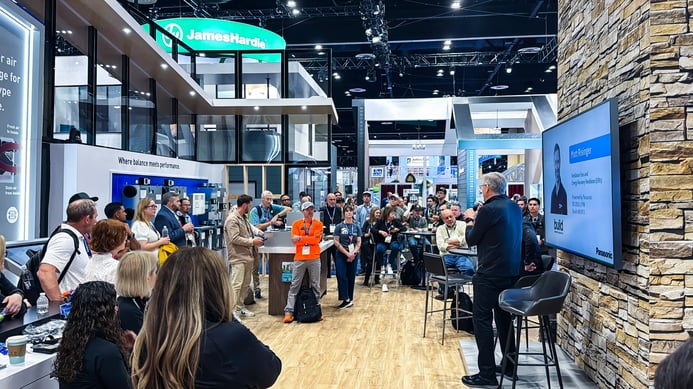
FGPG's integrated approach on projects like Panasonic's AHR Expo booth illustrates the payoff of combining both disciplines. Trade show event design, attendee journey mapping, and lead capture strategy were planned together instead of in silos. The result: immersive OASYS and Atmosphere product zones that guided different buyer types through tailored experiences, not just a pretty structure.
When event planning and event marketing live under one strategic umbrella, you avoid common failures such as underused demo stations, empty theater seats, or unbranded photo moments that generate no social media engagement. This is why FGPG operates as a single accountable partner across strategy, creative, fabrication, and marketing, so nothing falls through the cracks.
%20(2).webp?width=520&height=390&name=Panasonic-FGPG-IBS-5%20(1)%20(2).webp)
Start With Your Target Audience and Business Objectives
Before you book a venue, sketch a booth, or draft promotional materials, define who you are trying to reach and what success looks like. This foundational step should always align with your 2026 or 2027 revenue goals, product launches, or brand initiatives.
Profile your target audience using CRM data, purchase history, social listening, and past event data. Understanding audience demographics helps tailor messaging and increase relevance. The profile for B2B decision makers at trade shows looks very different from fandom-driven attendees at conventions like Gamescom or Comic-Con.
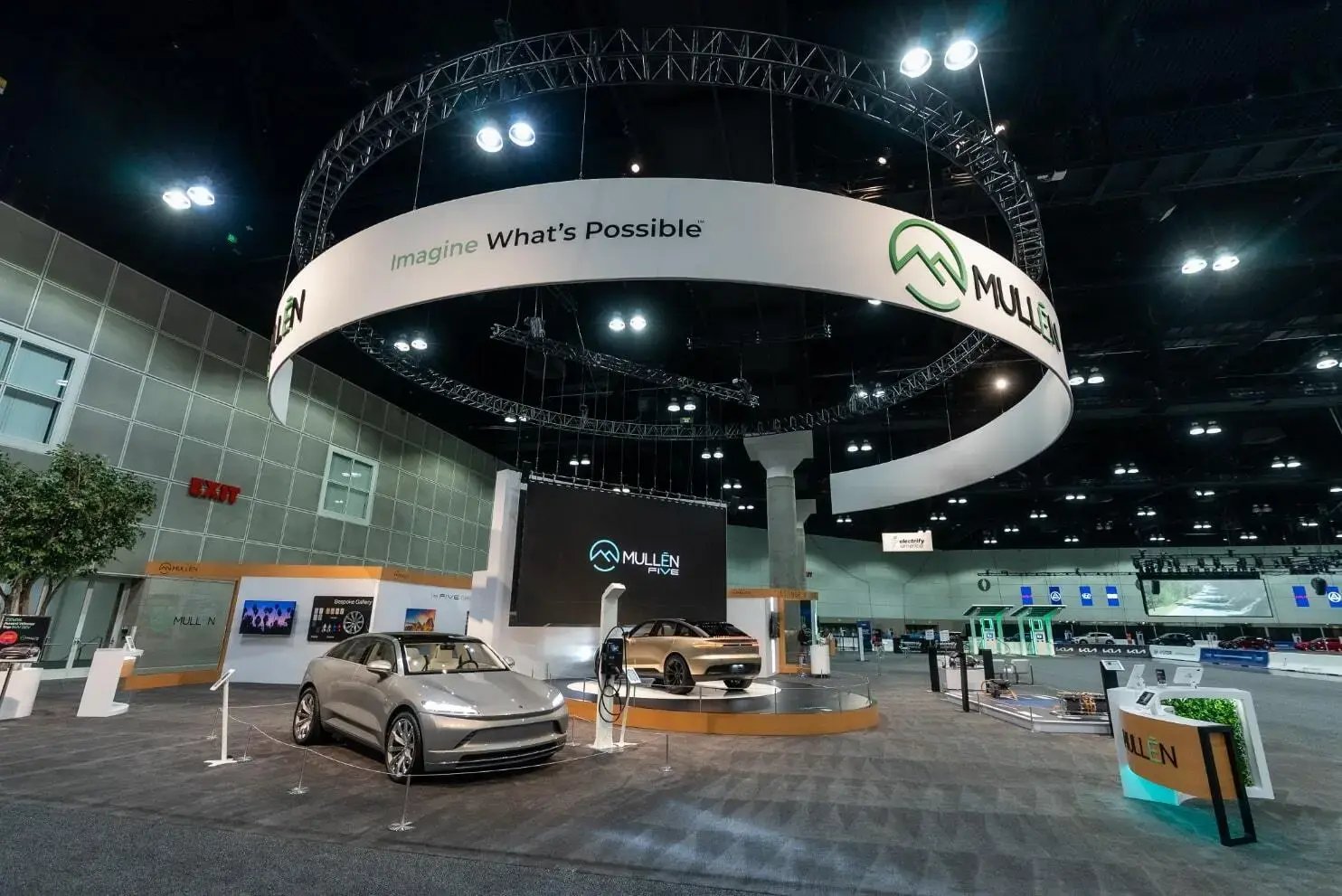
FGPG does this systematically. For Mullen Automotive at AutoMobility LA, the audience segments were automotive buyers, dealers, and media, each with distinct pain points and information needs. For Fall Guys at VidCon, the segments were game streamers, press, and fans, requiring a totally different creative and channel approach. Audience segmentation improves messaging relevance and conversion rates, and segmenting audiences improves engagement and event ROI. Segmentation allows for personalized marketing campaigns for different demographics.
|
Audience Segment |
Primary Event Objective |
Preferred Channels |
|
Dealers at NADA Show (Cars Commerce) |
Qualified demos booked, sales conversations |
LinkedIn, industry press, targeted campaigns |
|
Engineers at AHR Expo (Panasonic) |
Product education, spec downloads |
Email marketing, technical webinars |
|
Game streamers at VidCon (Fall Guys) |
Content creation, social amplification |
Instagram, YouTube, TikTok |
|
Fans at Comic-Con (Netflix) |
Brand love, earned media coverage |
Social media marketing, experiential word-of-mouth |
Before each event, work through this checklist:
- Define your ideal customer profile (ICP) for each event
- Clarify what funnel stage each segment is in (awareness, consideration, decision)
- Set 2 to 3 SMART goals per event (e.g., "generate 80 qualified leads at NADA" or "achieve 500K social impressions during Comic-Con")
SMART goals help define clear event marketing objectives. Common event goals include increasing ticket sales, generating leads, and community retention. Event marketing goals should always align with broader business objectives. An effective strategy requires defining SMART goals for attendance and engagement.
Choosing the Right Event Formats: In Person, Virtual, or Hybrid
The right event format depends on your objectives, event budget, geographic reach, and target audience preferences. Do not chase trends. Match the format to what you need to accomplish.
|
Dimension |
In Person Trade Shows |
Virtual Events |
Hybrid Events |
|
Cost per attendee |
High (venue, travel, booth build) |
Lower (platform fees, no travel) |
Moderate to high (double investment) |
|
Depth of engagement |
High (sensory, experiential, networking) |
Medium-low, depends on event platform |
Medium-high if both legs executed well |
|
Data richness |
Good via badge scans, session attendance |
Excellent via click behavior, viewing minutes |
Both, but requires integration |
|
Lead quality |
Strong for B2B; varied for fan events |
Broad but often lower intent |
Can filter high-intent on either side |
|
Geographic reach |
Limited by travel |
Global, no barriers |
Extends reach via digital broadcast |
Research confirms that 82% of attendees prefer in-person events over virtual formats, and 77% of consumers trust brands more after attending live events. That trust translates directly into pipeline and brand loyalty.
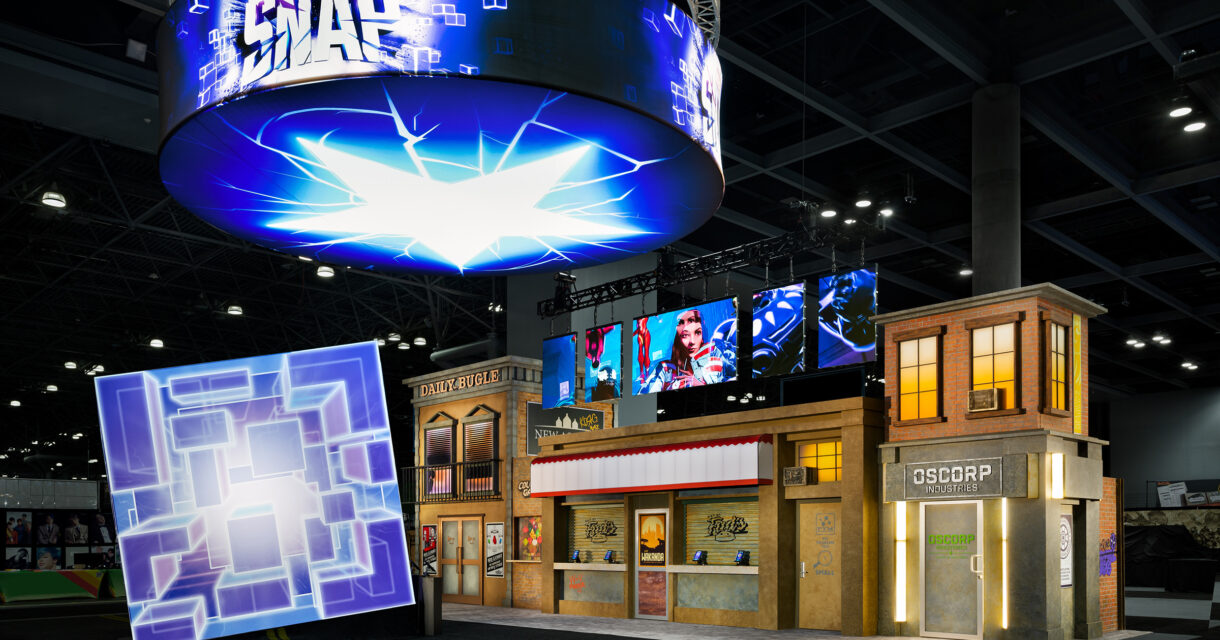
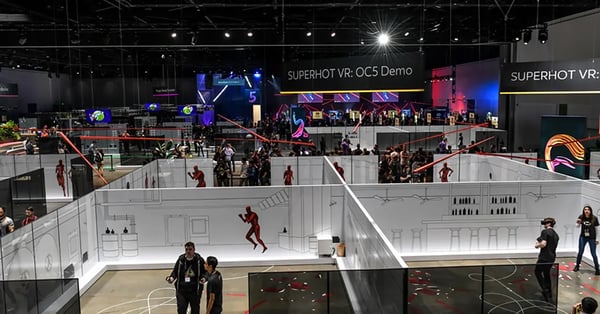
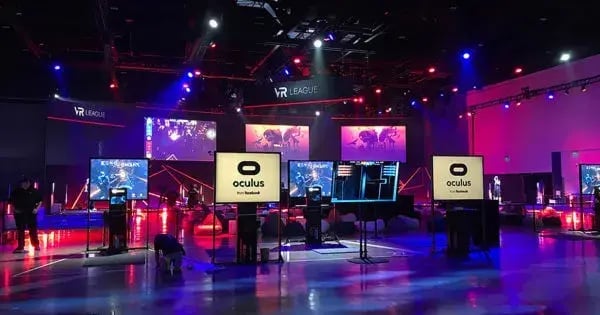
FGPG designs for each format. Oculus OC5 was a pure in-person developer engagement program. Marvel SNAP leveraged a hybrid presence around New York Comic Con, combining physical activations with digital reach. Streaming-friendly builds like Panasonic Lumix and Fall Guys at VidCon were engineered to perform on camera as well as on the show floor, making them ideal for hybrid amplification.
Build an annual marketing plan that mixes formats across the buyer journey:
- Use large in person conferences for pipeline and relationship building with high-value prospects
- Deploy virtual events for broad educational reach and top-of-funnel lead generation
- Layer hybrid elements onto flagship shows to extend geographic reach without diluting the in person experience
- Reserve intimate, in person hospitality activations for closing and VIP cultivation
Building a Data-Driven Event Marketing Plan
Think of this section as a blueprint. A strong event marketing plan for a major show like CES or NADA starts 3 to 6 months out and covers objectives, budget, messaging pillars, channel mix, content plan, timelines, and a measurement framework.
Start marketing your event 6 to 8 weeks before the date for promotion, but creative, fabrication, and logistics need longer. Establish measurable objectives such as cost per acquisition and post-event NPS before you spend a dollar on ads.
FGPG builds integrated plans for projects like the Cars Commerce NADA Show activation. Pre-show email and LinkedIn campaigns, on-site content capture, and post-show follow-up were planned as a single system, not three separate workstreams.
Here is a sample 12-week timeline:
|
Week |
Milestone |
|
T-12 |
Launch save-the-date emails and event page |
|
T-10 |
Publish announcement blog, begin organic social media posts |
|
T-8 |
Open registration, launch early-bird tier |
|
T-6 |
Ramp up paid ads and retargeting |
|
T-4 |
Send speaker/demo spotlights, run referral incentive |
|
T-2 |
Final push email, last-chance retargeting ads |
|
T-1 |
Staff briefing, final logistics, social countdown content |
|
Event |
Live coverage, real-time social, lead capture |
|
T+1 day |
Thank-you emails with key takeaways |
|
T+1 week |
Send recap, share highlights, book follow-up meetings |
|
T+2 weeks |
Launch nurture sequences segmented by engagement level |
|
T+4 weeks |
Post-event report, ROI analysis, planning for next event |
Use short paragraphs and bullet lists internally so your team can adapt this as a working checklist.
Branding and Creative: Turning Strategy Into Event Environments
A marketing strategy only becomes tangible when translated into branded spaces, content, and interactive moments that reflect your value proposition. Content marketing creates a story around your event, and the physical environment is where that story comes to life.
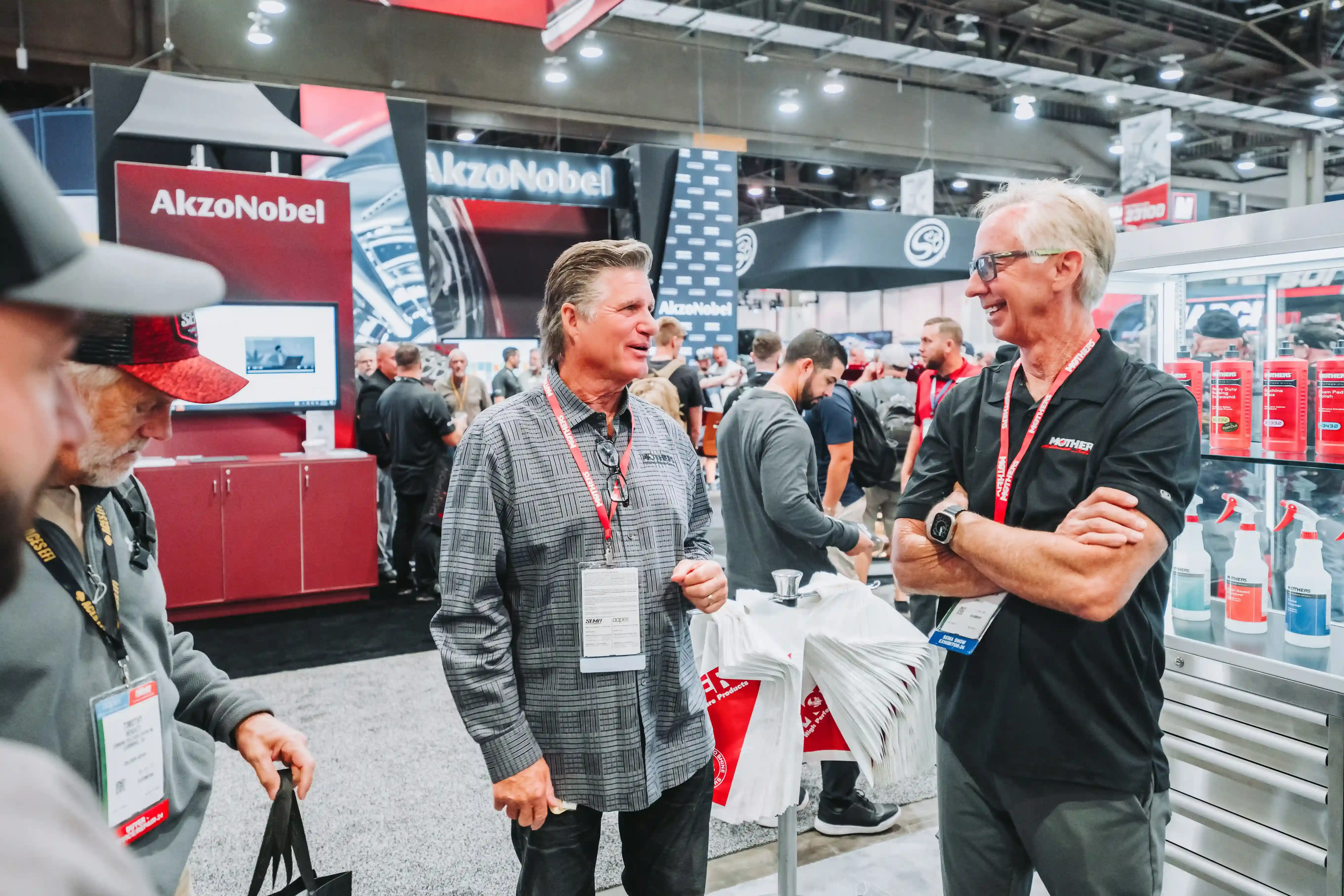
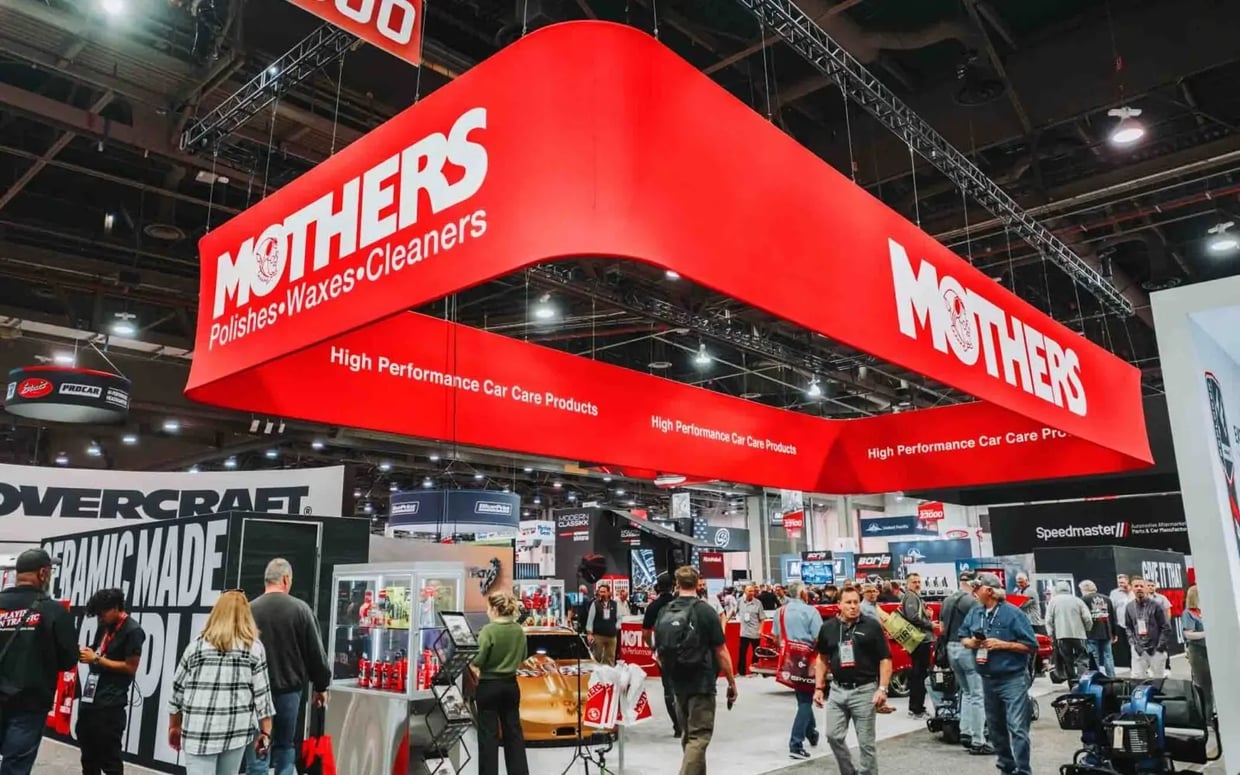
FGPG's work on Mother's Polish at SEMA is a strong example. The booth architecture, lighting, and demo zones were matched to a premium "American garage" narrative using high-finish materials, SEG fabric graphics, and clean product displays. Every surface is photographed well for social media marketing. Every sightline guided visitors deeper into the brand story.
Develop an event brand system that includes a logo lockup, tagline, graphic language, and photography style. This system should live across your event page, badges, swag, stage design, and on-site signage.
|
Attribute |
Generic Booth |
Story-Led Environment |
|
Average dwell time |
45-90 seconds |
3-5 minutes |
|
Social posts by attendees |
Minimal |
High volume (designed hero moments) |
|
Media pickup |
Rare |
Frequent (press-ready visuals) |
|
Lead quality |
Mixed (swag collectors) |
Higher (self-qualified by engagement) |
|
Brand recall (post-show survey) |
Low |
Significantly higher |
FGPG owns the full creative thread from digital invites to physical experiences, eliminating the fragmentation that happens when brands split work between a creative shop, a booth house, and an internal marketing team.
Trade Show Event Design That Markets for You
Trade show booths and pavilions are always-on media channels. They should be designed to stop traffic, guide journeys, and collect leads, not just satisfy square-footage requirements.
Key design principles that make all the difference:
- High, visible branding and overhead signage that pulls attendees from across the hall
- Clear value proposition headlines at eye level
- Layered storytelling zones for different buyer types
- Intuitive wayfinding that supports demos, meetings, and self-guided exploration
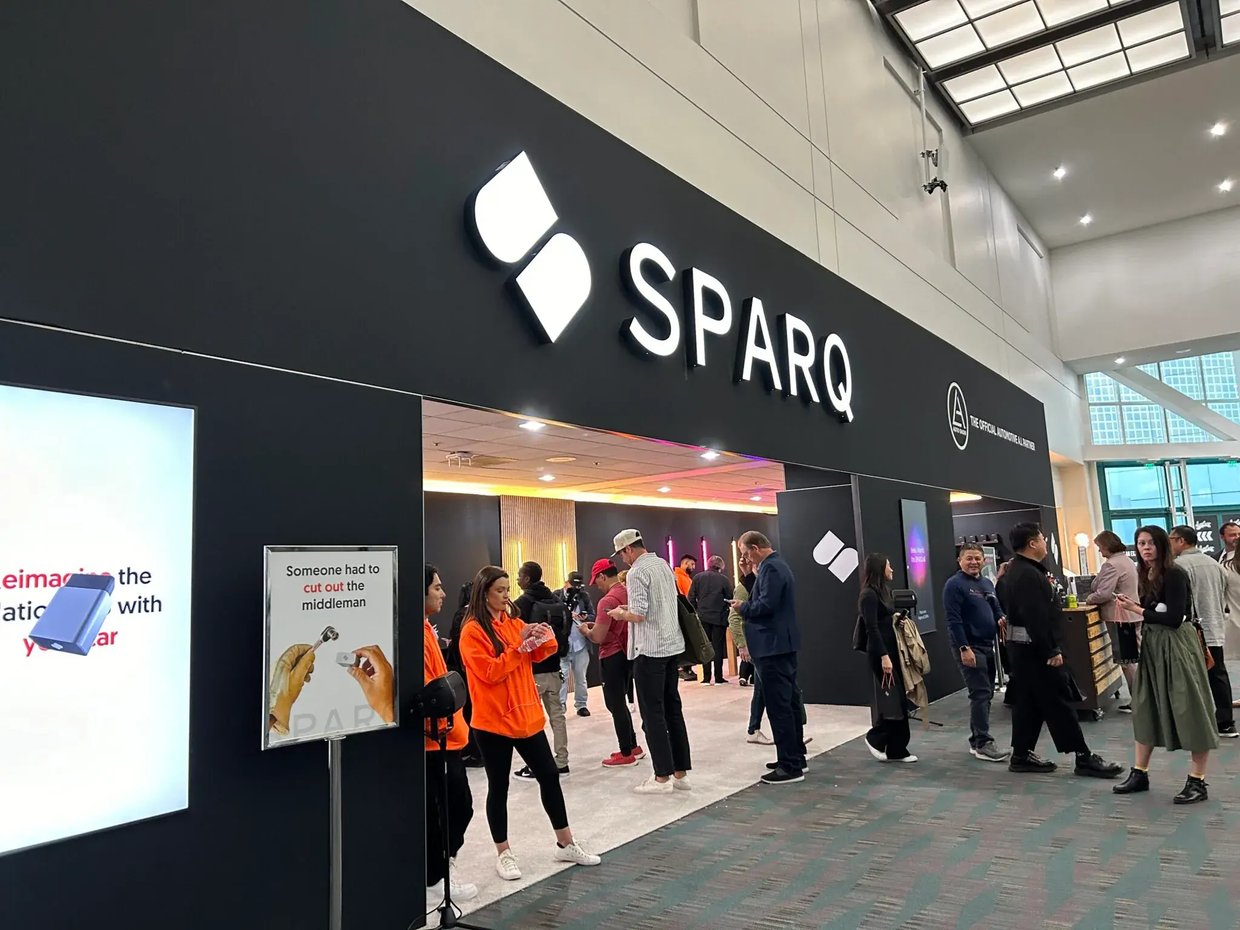
FGPG applies these principles consistently. Panasonic at AHR and IBS featured immersive product stories, live demos, and a conference room built into the booth footprint, all tailored for engineers at AHR and architects at IBS. Cars Commerce at the NADA Show used data-driven storytelling and dealer-centric messaging to convert foot traffic into sales conversations. SPARQ at AutoMobility LA positioned electric vehicle technology with future-tech staging that matched the brand's innovation narrative.
Build "Instagrammable" hero moments similar to The eBay Market-Verse or Netflix at Comic-Con sets. These moments double as organic event promotion during the show, generating social media engagement without additional ad spend.
FGPG integrates capture tools like badge scanners, QR codes, and lead-gen microsites directly into the design so that marketing data capture feels seamless to event attendees. According to ShowHero's State of Trade Shows 2026 report, 58% of exhibitors now say booth design is their top differentiator, up from 41% in 2021. Design is no longer optional. It is a strategy made visible.
Content and Storytelling Across the Event Lifecycle
Content is the connective tissue between pre-event promotion, on-site engagement, and post-event nurture. Content marketing builds interest before your event. Effective content marketing increases audience engagement. SEO helps drive organic traffic to your event content.
Pre-event assets:
- Announcement blogs and event details pages optimized for search engine optimization
- Teaser trailers (like Marvel SNAP pre-launch creative for NYCC)
- Speaker spotlights and behind-the-scenes build videos from the fabrication shop
- Use blog posts and teaser videos for content marketing
On-site content:
- Live streams from booths (Panasonic Lumix creator demos at VidCon)
- Interactive walls and real-time social coverage
- Short recap edits cut for TikTok, Reels, and LinkedIn
Post-event content:
- Whitepapers derived from theater sessions
- Highlight reels like those created for Oculus OC5 or Splitgate 2 at Gamescom
- Nurture sequences that reuse session Q&A and demo footage
FGPG's creative and production teams collaborate on content from day one of the strategic plan. This means the booth is designed to be a content studio, the event agenda includes capture-friendly programming, and post-event assets are mapped before the show opens.
Repurposing event content can fuel future marketing efforts for months after the show closes.
Channel Mix: From Social Media Marketing to Paid Ads
Choosing and orchestrating the right marketing channels supports your event marketing plan without overextending your team or event budget.
Organic channels: Social media marketing is essential for building event buzz. Email marketing is a top method for promoting events and can significantly boost event registration and engagement. SEO helps drive organic traffic to event websites. Promote events on platforms like Instagram, Facebook, and LinkedIn, where social media users spend an average of 2 hours and 23 minutes daily.
Paid channels: Paid advertising can quickly expand event reach and visibility. Paid ads can expand your reach to targeted audiences quickly through Google, Meta, and LinkedIn retargeting. Multi-channel promotion enhances registration through targeted ads and influencer partnerships. Use a unique event hashtag to track conversations and increase engagement.
FGPG has supported clients with integrated campaigns that tie booth experiences to digital promotion, such as tracking click-through from eBay OPEN25 emails to on-site meetings and post-event marketplace activity.
|
Channel |
Awareness |
Consideration |
Registration |
Post-Event |
|
SEO / Event website |
Strong |
Strong |
Moderate |
Moderate |
|
Email marketing |
Moderate |
Strong |
Strong |
Strong |
|
Organic social media |
Strong |
Moderate |
Moderate |
Strong |
|
Paid ads |
Strong |
Strong |
Strong |
Moderate |
|
Partner/sponsor channels |
Strong |
Strong |
Moderate |
Low |
Driving Registrations and Attendance: Concrete Tactics
Event marketers should activate specific promotional tactics 8 to 10 weeks before the event to fill the room or booth with the right potential attendees.
- Segmentation and personalization in email: Tailor subject lines, content, and CTAs to each audience segment. Run targeted campaigns for different verticals.
- Referral and group incentives: Offer discounts or perks for groups registering together. Encourage participation through shareable referral links.
- Early-bird tiers and timed offers: Create urgency. The industry benchmark for registration-to-attendance conversion is 57%. Attendance rates below 40% indicate weak value communication.
- Retargeting campaigns: Capitalize on abandoned registration sessions with display and social retargeting ads. Launch countdown content 10 days out. Run last-chance retargeting ads 72 hours before registration closes.
Social proof makes all the difference in converting hesitant registrants. Using partnerships can extend reach and increase event credibility. Event sponsorships can enhance mutual promotion opportunities. Partnerships with sponsors can influence prospective attendees, and event partnerships can provide access to aligned audiences.
Publish short testimonials from previous attendees. Showcase big-name partners or IPs such as Fortnite or Mafia III at E3. Use case studies from past events like Mother's Polish at SEMA to demonstrate tangible results.
FGPG helps clients create high converting event registration experiences and landing pages with high-impact hero imagery from past activations and crystal-clear CTAs.
Designing for Engagement During the Event
Attendee engagement is both an experience design issue and a marketing strategy issue. Engaged attendees create more content, stay longer, and convert at higher rates.
Interactive elements that encourage participation and drive event marketing success:
- Product playgrounds and hands-on demo areas
- AR/VR demos and immersive installations
- Live Q&A theaters and meet-the-creator sets (like Marvel SNAP and Netflix at Comic-Con activations)
- Gamified scavenger hunts inside large exhibitions
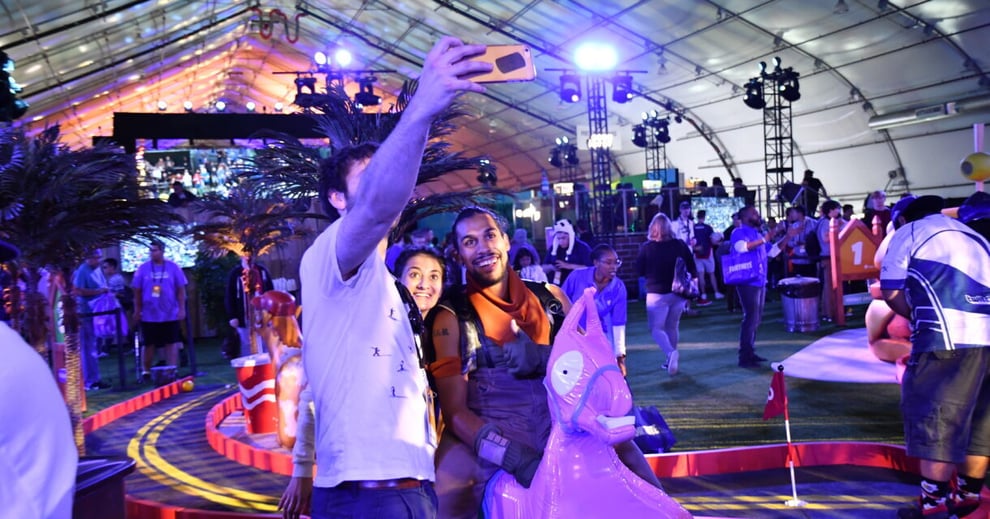
FGPG choreographs traffic flow and program timing at shows like Gamescom or VidCon so that big moments are always happening for both in person attendees and online viewers. Social media should be used for real-time audience interaction during events. Use unique event hashtags to track conversations and increase engagement, and engage with followers by responding to comments on social media posts.
Staff briefing essentials:
- Talking points aligned with the event's theme and messaging pillars
- Lead qualification questions (budget, timeline, decision authority)
- Social amplification prompts (encourage attendees to post with the event name and hashtag)
- Handoff protocol for hot leads to sales teams within the event
Post-Event Marketing: Turning Buzz Into Pipeline
Post-event follow-up is where most of the ROI is either realized or lost, especially for B2B trade shows and high-value hospitality activations. Follow-up communications should occur within 24 hours post-event.
Immediate actions (24 to 72 hours):
- Post-event marketing includes sending thank-you emails to attendees with key takeaways, links to session recordings, and clear next-step CTAs (book a demo, download a case study, schedule a strategy session with FGPG)
- Collect feedback immediately after the event to assess attendee sentiment
- Collecting feedback through surveys is essential after events
- Share highlights and key takeaways on social media and via email to keep the conversation alive
Lead segmentation and nurture: Post-event follow-up nurtures leads through surveys and content access. Segment leads by engagement level and persona. Use different nurture tracks for hot trade show prospects vs top-of-funnel fans captured at entertainment events like Fortnite at E3. Sales teams should receive hot leads with context within 24 hours.
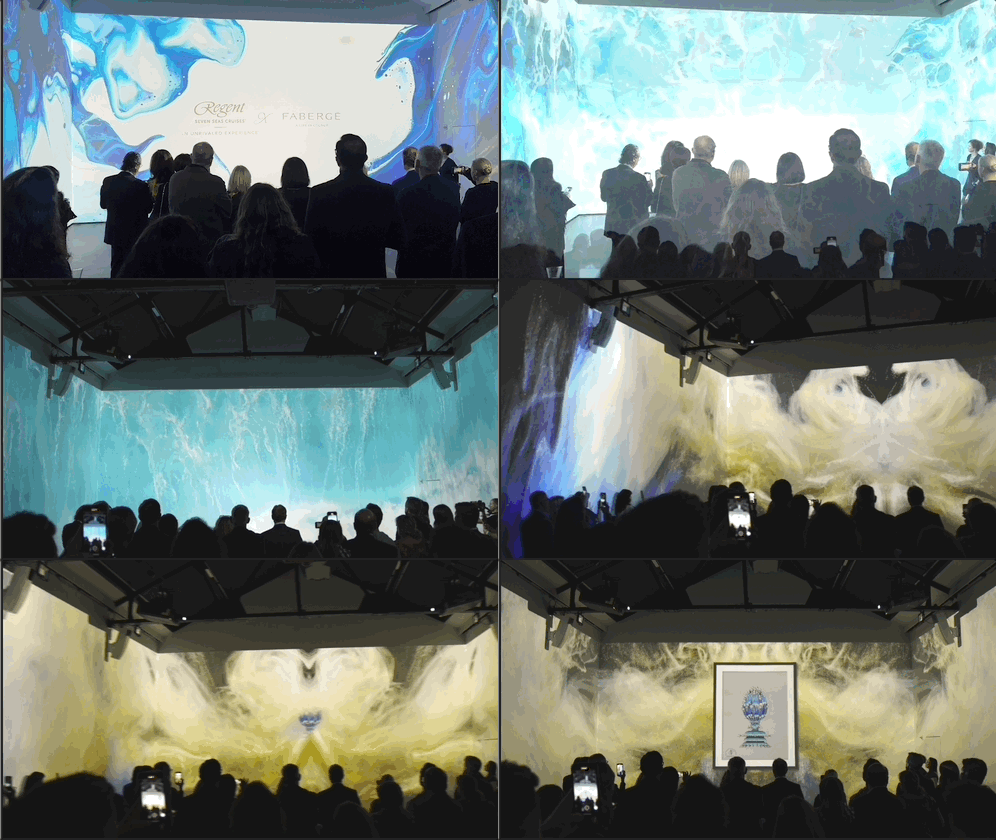
Content repurposing: Repurpose event footage and photography into multi-month content streams. FGPG clients have used Netflix at Comic-Con highlights and Regent Seven Seas Cruises x Faberge press event imagery in ongoing brand storytelling across digital channels.
30-day post-event checklist:
- Day 1: Thank-you emails, social highlights, lead data handoff
- Day 2-3: Feedback surveys, initial lead scoring
- Week 1: Recap blog, highlight reel, meeting follow-ups
- Week 2-3: Nurture sequences by segment, repurposed content launch
- Week 4: Post-event report, ROI analysis, planning kickoff for next event
Measuring Event Marketing ROI and Success
Event ROI is more than immediate event revenue. It encompasses qualified leads, influenced pipeline, media coverage, social growth, and brand sentiment shifts. Yet 54% of marketers don't track event registrations or opportunities created. That gap is where budget justification dies.
Key performance indicators include registration and attendance rates. Metrics to track include registration rates, attendee demographics, and engagement levels. Event marketing success metrics include revenue and attendance rates.
|
Funnel Stage |
Metric |
Modest Benchmark |
Strong Benchmark |
|
Awareness |
Registrations, social impressions |
Baseline |
2x baseline |
|
Attendance |
Show-up rate |
40-50% |
57%+ (industry benchmark) |
|
Engagement |
Booth dwell time, demos completed |
45 sec / 10 demos |
3+ min / 30+ demos |
|
Conversion |
Meetings held, qualified leads |
3-5 per 100 attendees |
8-15 per 100 attendees |
|
Pipeline |
Opportunities created (90-day) |
4-7% conversion |
9-15% conversion |
|
Content |
Post-event views, social shares |
Moderate |
High (repurposing strategy) |
FGPG helps clients set KPIs before the build begins and tracks performance using CRM integration, lead scanners, and custom QR codes embedded into exhibit designs.
Example scenario: A 20x30 custom booth at NADA or CES with a total investment of $55,000 captures 200 badge scans. At a 25% meeting conversion rate, that yields 50 meetings. With a 10% pipeline conversion rate at 90 days, you generate 20 qualified opportunities. If average deal value is $15,000, your pipeline is $300,000, a 5.5x return on investment.
According to VENUESIGHT benchmarks, top-performing exhibitors achieve pipeline multiples of 5 to 10x. Consistent measurement across multiple shows (AHR, IBS, SEMA, GDC, NAB) enables year-over-year optimization and stronger budget justification for future events.
Integrated Experiences: Beyond the Booth
The most effective marketing strategies treat events as part of an integrated experience ecosystem that includes hospitality, sponsorships, press, and digital extensions.
FGPG's integrated experiential work illustrates this perfectly. The eBay Emmy Awards Brand Bar Luxury Lounge was designed for influencers, VIPs, and press as much as for end customers. eBay OPEN25 combined conference programming with networking experiences and marketplace activation. Regent Seven Seas Cruises x Faberge created an intimate press event that generated media coverage well beyond the guest list.
How to connect off-floor experiences to your main event narrative:
- Use consistent messaging and shared content capture plans across hotel takeovers, private screenings, and brand lounges
- Include VIP lounge content in post-event nurture email campaigns
- Retarget lounge and hospitality attendees with tailored offers via digital channels
- Feed hospitality event footage into your broader content calendar to promote events months later
FGPG is uniquely capable of orchestrating these multi-layered programs across trade shows, fan conventions, and hospitality settings because they own strategy, creative, production, and measurement under one roof.
FGPG vs Typical Event Vendors: Why the Right Partner Matters
Choosing the right partner for your event marketing strategy can make all the difference in results. Here is how FGPG compares:
|
Capability |
Generic Booth Builder |
Strategy-Only Agency |
FGPG |
|
Strategic planning (objectives, audience, measurement) |
Limited or absent |
Strong in discovery, may not own production |
Full ownership of strategy, creative, and execution |
|
Trade show event design |
Structural, often lacks narrative |
Conceptual, may outsource fabrication |
Story-led environments with structural excellence |
|
Content production |
Rarely included |
May advise but not produce |
Built-in creative and content teams |
|
Digital and experiential integration |
Minimal |
Advisory only |
Unified physical, digital, and social execution |
|
On-site execution and flow design |
Build-focused |
Often not on-site |
Plans visitor journeys, zones, demo flow, and staffing |
|
Measurement and ROI accountability |
Badge scan reports only |
Sets KPIs, may leave reporting to client |
Full measurement frameworks tied to pipeline |
FGPG's breadth of portfolio spans tech (Oculus OC5, Facebook F8, CES interactive booths), automotive (SPARQ, Mullen Automotive), entertainment (Netflix at Comic-Con, Marvel SNAP, Splitgate 2 at Gamescom, Fortnite and Mafia III at E3), retail (eBay Market-Verse, eBay OPEN25), education (NAEYC for Lakeshore Learning), gaming (Poki at GDC, Fall Guys at VidCon), and broadcast (NAB booths, Panasonic Lumix at VidCon).
FGPG's process integrates discovery workshops, audience and KPI definition, creative concepting, fabrication, logistics, and measurement into one accountable partner relationship.
Why choose FGPG:
- Strategic alignment with your business goals from day one
- Award-worthy design that stops traffic and captures leads
- Integrated experiences that work across physical and digital channels
- Measurable results tied to pipeline, not just impressions
- Proven experience across global shows in every major industry vertical
Event Marketing Trends to Watch in 2026-2027
Several trends are reshaping event marketing strategies. Large-scale in person events have fully rebounded, with the U.S. exhibition industry estimated at over $16.4 billion in 2025. Median exhibitor spend per show has risen to approximately $32,400, up 14% since 2022. Brands are investing less in volume and more in quality and impact per show.
Sustainability, accessibility, and ESG storytelling are becoming hygiene factors. Shows and exhibitors are judged on whether exhibit materials are reusable, ethically sourced, and accessible. FGPG's modular design for Panasonic's back-to-back shows demonstrates this: a reusable system that adapts across shows without losing brand identity.
Creator-led content and live programming continue to grow. Integration of creators, real-time social content, and streaming amplifies reach and turns experiences into content assets. FGPG's work with Lumix, Fall Guys, and Netflix at Comic-Con uses creators and built-for-camera environments as standard practice.
AI-assisted personalization is gaining traction in pre-event outreach and post-event nurture, enabling smarter segmentation, predictive lead scoring, and content reuse. But human creative direction and authentic interaction remain central. 74% of Fortune 1000 marketers plan to increase their event budget, underscoring that the industry is betting on experiences, not just automation.
Balance experimentation with proven fundamentals: clear objectives, disciplined follow-through, and consistent measurement.
Practical Event Marketing Checklist
Use this checklist as a working document for your next trade show, conference, or fan activation.
Pre-event:
- Define target audience segments and ICPs
- Set 2-3 SMART objectives per event
- Finalize event budget including marketing, production, travel, and staffing
- Build event page and optimize for search engine optimization
- Develop event brand system (logo, tagline, graphic language)
- Launch save-the-date and email campaigns
- Activate social media marketing and paid advertising
- Create pre-event content (blogs, teaser videos, speaker spotlights)
- Brief sales teams on lead qualification and handoff rules
- Confirm content capture priorities with creative team
During event:
- Execute the event agenda with programmed hero moments
- Run daily social media posts and live coverage
- Capture on-site content for TikTok, Reels, LinkedIn
- Engage attendees with interactive demos, Q&A, and event apps
- Qualify and score leads in real time
- Use event hashtags to track conversations and amplify reach
Post event:
- Send thank-you emails within 24 hours
- Collect feedback through surveys immediately
- Segment leads and launch nurture sequences
- Repurpose footage into highlight reels, case studies, and social content
- Deliver post-event report with key performance indicators and ROI analysis
- Debrief with sales teams and plan for your recurring event or next event
Compare your current process with this checklist and identify 3 to 5 gaps where a partner like FGPG can make an immediate impact. Reach out for a strategy session to map this framework to your specific 2026-2027 event calendar.
Frequently Asked Questions
These questions address practical concerns that industry professionals commonly raise when building or refining an event marketing strategy. Each answer focuses on concrete guidance around timing, budgets, and working with FGPG.
How far in advance should I start my event marketing strategy?
For major trade shows and in person conferences, planning should begin 9 to 12 months ahead, with active event promotion starting 12 to 16 weeks before the event date. Smaller regional events may work on a 6 to 8 week promotion window, but creative, fabrication, and logistics still require longer lead times. FGPG typically begins strategic discovery and design for large programs at least 9 months out to align creative, media, and measurement plans so nothing is rushed.
What budget should I allocate to marketing versus production?
A general guideline is to dedicate 15 to 25 percent of the total event budget to marketing activities, depending on whether the event is new or established. Production costs for trade show event design, builds, and logistics often consume the largest share, but underinvesting in marketing can leave even the best booth underattended. According to AfterBooth research, exhibitors commonly undercount costs by 30 to 40 percent when they forget staff time, travel, and follow-up expenses. FGPG works with clients to model different budget scenarios and forecast how marketing spend levels will likely impact event attendance and lead volume.
Can FGPG help with both in person and digital components of my event?
Yes. FGPG designs and produces physical environments while also supporting digital extensions such as live streams, social media content, and interactive companion experiences. Portfolio examples like VidCon creator stages, hybrid launches at Comic-Con, and broadcast-friendly sets for tech conferences demonstrate this integrated capability. This unified approach ensures brand consistency and maximizes how the event performs across every channel in the marketing plan.
How do I know if my last event was successful enough to repeat?
Review hard metrics such as qualified leads, deals influenced, media impressions, and social growth, comparing them to pre-set objectives and benchmarks from sources like Exhibit Bridge industry data. Capture qualitative feedback from event attendees, staff, and partners to identify what should be scaled up, changed, or retired. FGPG offers post-event reviews where event data, creative performance, and on-site observations are combined into a roadmap for improving the next edition.
What is the first step to working with FGPG on an event marketing strategy?
The typical first step is a discovery session where FGPG learns about your brand's goals, target audience, event calendar, and past performance. From there, FGPG develops a high-level strategic proposal outlining recommended event formats, trade show priorities, integrated experiences, and measurement approaches. Bring your upcoming anchor events, such as CES, NADA, or Comic-Con appearances, so FGPG can demonstrate how a holistic event marketing strategy would transform those opportunities into measurable growth engines.
The FG|PG Team
FG|PG was founded nearly 21 years ago. Today we’re one of the largest woman-owned, WBENC Certified, live, hybrid and virtual experiential agencies in the US. That trajectory isn’t accidental. It’s the result of a commitment to continually evolve, to never stop learning, and to always listen to our clients’ needs.

.svg)
.svg)
.svg)